Car Key Duplication Explained: How It Works and What to Know
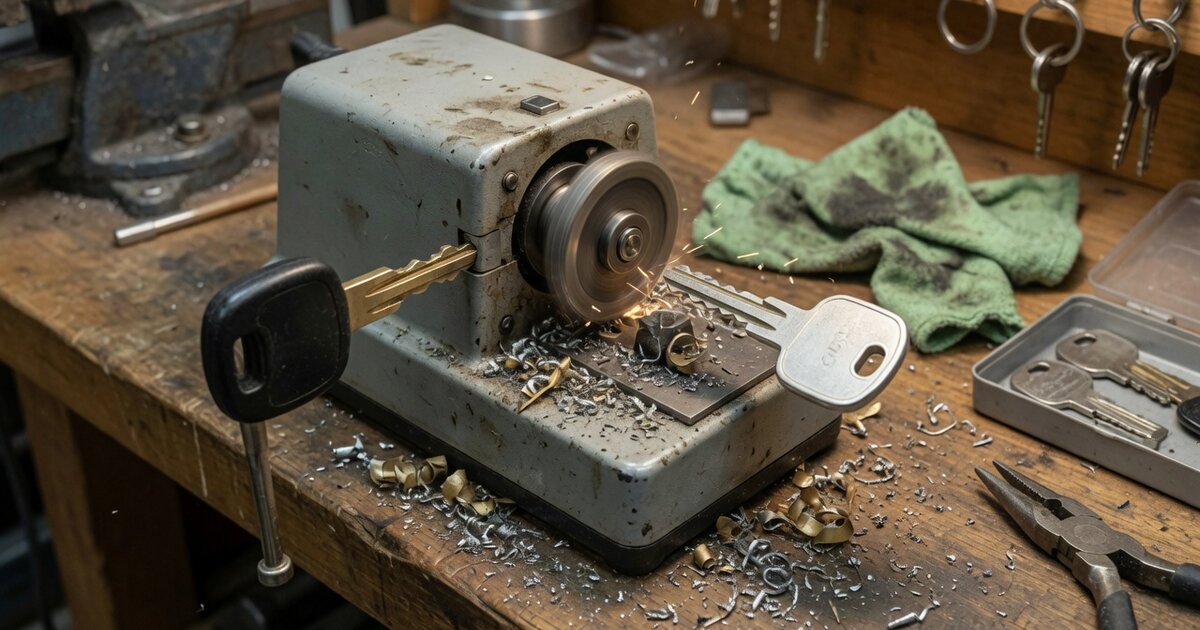
Car key duplication used to mean one thing: a metal blank ground down to match the cuts of an original key, ready in a couple of minutes at a hardware store kiosk. That version of the service still exists, and for older vehicles it remains fast and inexpensive. Most cars built since the late 1990s, however, use a very different kind of key. A small transponder chip sits inside the plastic head, and many newer vehicles carry a smart key or proximity fob that communicates wirelessly with the car's receiver. Duplicating one of these keys is not just a cutting job, it is also an electronic one.
Today, "car key duplication" covers a spread of services rather than a single task. A basic mechanical key can usually be copied on the spot almost anywhere. A transponder key needs the new chip's code matched to the vehicle's immobilizer system before the engine will start. A smart key or fob needs to be paired to the car's onboard computer, sometimes with data pulled directly from the vehicle itself. Knowing which category your key falls into, and who is equipped to handle it, is the first step before calling around for quotes or driving somewhere with your only working key in hand.
How it works
For a basic mechanical key, duplication is mostly mechanical. A locksmith or key-cutting machine reads the pattern of cuts on the original and reproduces it on a blank of the same profile. No electronics are involved, and the copy works the moment it is cut, whether it opens a door, a trunk, or an older ignition.
Modern keys add a second layer. Since the late 1990s, most manufacturers have embedded a transponder chip in the key head that exchanges a coded signal with the car's immobilizer. Cutting a new blade to match the mechanical pattern is only half the job, the chip inside also has to be recognized by the vehicle's computer, or the engine simply won't turn over. That's why a cut key blade alone may not start the car even when it looks and turns exactly like the original.
Programming a transponder or smart key generally involves connecting a diagnostic tool to the car's OBD-II port, then following a sequence that pairs the new key's chip identifier with the immobilizer or body control module. On some vehicles this can be done with a copy of a working key already present; on others, especially when all keys are lost, the technician may need to retrieve a security PIN or access code from the vehicle's own module before a new key can be accepted. Smart keys and proximity fobs add another wrinkle, since they also need their remote functions, such as locking, unlocking, and remote start, synced to the car's receiver, not just the immobilizer.
The upshot is that the "how" behind key duplication depends entirely on what kind of key you're starting with. A worn brass key and a modern encrypted fob are technically both being "duplicated," but the equipment, time, and skill required are worlds apart.
What to consider
Before choosing where to get a car key duplicated, it helps to know what kind of key you have and what the provider in front of you can actually do with it. Hardware store kiosks and big-box key machines are built for simple mechanical keys; they generally cannot program a transponder chip or pair a smart key, even if they can physically cut the blade. Automotive locksmiths and dealership service departments, by contrast, carry the diagnostic tools needed for electronic programming, though their availability, pricing, and turnaround time can vary widely.
- Confirm whether your key is a basic mechanical key, a transponder key, or a smart or proximity fob before you call anyone
- Have your vehicle's year, make, model, and trim ready, since key systems can differ even across the same model line
- Keep the vehicle identification number (VIN) accessible, since many providers need it to order the correct key blank or chip
- Ask directly whether the shop can program the specific key type your car uses, not just cut a blade
- Bring a working key if you have one; duplicating from an existing key is typically simpler than starting from scratch
- Ask how long the appointment or on-site visit will take, since programming times vary by vehicle
- Check whether the provider comes to you as a mobile locksmith or requires you to bring the car in
- Get a clear quote before work begins, since basic copies and electronic programming are priced very differently
- For very new models, ask whether the necessary programming tools and software updates are already available, since brand-new security systems can take time to support
Common mistakes to avoid
Key duplication mistakes usually come from underestimating how different modern keys are from the metal blanks people remember. A little preparation avoids most of the common headaches.
- Assuming any key can be copied at a hardware store kiosk, when transponder and smart keys need electronic programming a kiosk can't perform
- Waiting until you're down to your last working key before getting a spare made, which removes your safety net if that key is lost or damaged mid-process
- Not confirming the shop can program your specific key type before showing up or scheduling an appointment
- Forgetting the VIN or vehicle paperwork, which can delay ordering the correct key or chip
- Assuming a cut blade that turns in the lock means the job is finished, without checking that the immobilizer has actually accepted the new chip
- Choosing a provider based on price alone without asking what's included, since a low quote may cover only the cut key and not the programming
Frequently asked questions
Can any locksmith duplicate a car key?
Most locksmiths can cut a basic mechanical key, but not every locksmith carries the equipment to program transponder chips or smart key fobs. Automotive locksmiths specialize in this work and typically carry the diagnostic tools needed for a range of makes and models. If you have a modern car, it's worth confirming ahead of time that the locksmith you're calling handles electronic key programming, not just mechanical cutting, before you schedule a visit.
Do I need to bring my car to get a key duplicated?
It depends on the key type and provider. A basic mechanical key can often be copied from the key alone at a hardware store or locksmith counter. Transponder and smart keys almost always require the vehicle itself, since the new key has to be paired directly with the car's immobilizer or receiver. Many automotive locksmiths offer mobile service and can perform this programming on-site wherever the car is parked.
What's the difference between duplicating a key and replacing a lost key?
Duplicating a key means copying an existing, working key, which is generally faster and simpler because the technician has a working chip or code to reference. Replacing a key after all keys are lost is more involved, since the technician typically has to retrieve a security code or PIN directly from the vehicle's computer before a new key can be programmed and accepted by the immobilizer.
Can a dealership duplicate any car key?
Dealerships can generally program keys for the brands they sell and often have direct access to manufacturer systems, which is useful for newer or less common models. That access can come with longer wait times and higher prices compared with an independent automotive locksmith. For very new vehicles with recently released security systems, the dealer may be the only option until aftermarket programming tools catch up.
Why won't my newly cut key start the car?
If the key turns in the ignition or door lock but the engine won't start, the mechanical cut is fine but the key's transponder chip likely hasn't been recognized by the car's immobilizer yet. Cutting the blade and programming the chip are two separate steps, and skipping or failing the second one is a common reason a seemingly correct key won't bring the engine to life.
How long does duplicating a modern key take?
Cutting a basic mechanical key can take just a few minutes. Programming a transponder key or smart fob typically takes longer, often somewhere between about fifteen minutes and an hour depending on the vehicle and whether a working key is already available to reference. Vehicles that require pulling a security code from the car's own computer, such as when all keys are lost, tend to take longer than straightforward duplication jobs.