How to Get a New Key Fob for Your Car: A Step-by-Step Guide
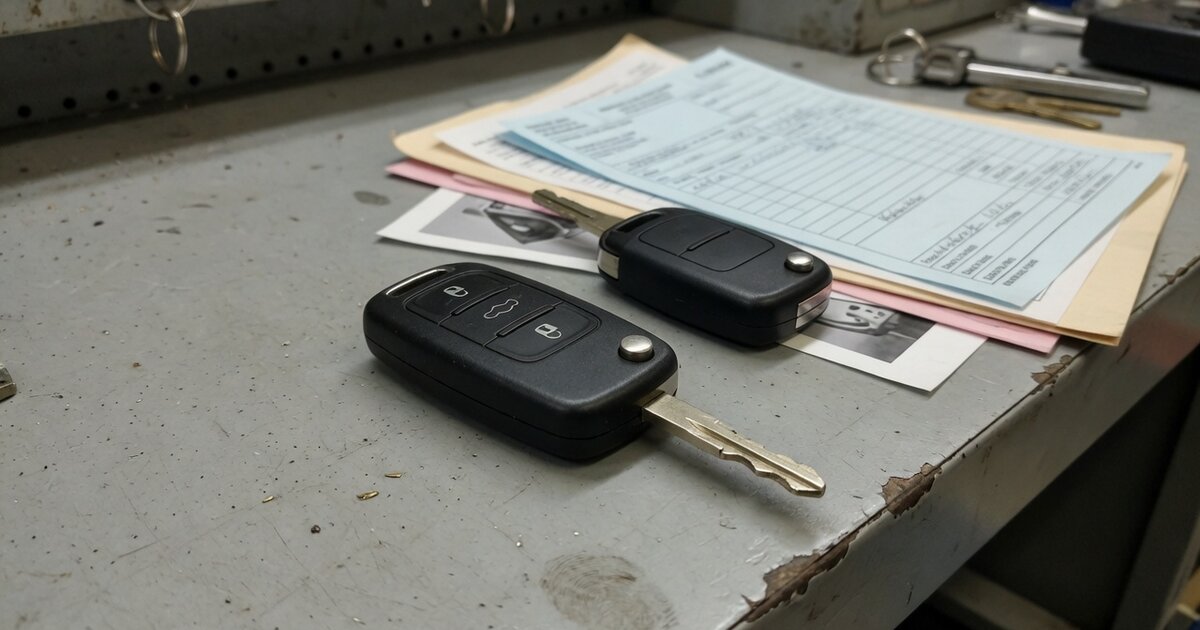
A key fob failing at the worst moment — locked out in a parking lot, a battery that finally died, or a fob that never turned up after being lost — is one of the more disruptive car problems you can run into, mostly because it feels urgent even when it isn't. The good news is that getting a working key back into your hand is almost always possible, and for the vast majority of vehicles on the road today it doesn't require anything exotic. You generally have three broad paths: go through the dealership that sold the car, work with a mobile or storefront automotive locksmith, or order a compatible fob and either program it yourself or have someone program it for you. Each path trades convenience, cost, and turnaround time differently, and which one makes sense depends on your specific vehicle, how many working keys you have left, and how quickly you need the car back on the road. This guide walks through the practical steps of actually getting a new fob sorted, from figuring out exactly what your car needs to walking away with a fob that starts the engine and unlocks the doors reliably.
Step-by-step: what to do
Start by identifying exactly what your vehicle needs before you contact anyone. Locate your Vehicle Identification Number (VIN) — it's on the driver's side dashboard, visible through the windshield, and printed on your registration and insurance card. The VIN encodes the exact production specifications of your car, which matters because fob hardware and programming procedures can differ between trim levels and model years even within the same generation. Note the year, make, model, and trim, and count how many working keys or fobs you currently have, since some programming procedures behave differently depending on whether you're adding a fob or replacing the last one.
Next, choose a provider. A dealership can order an OEM fob matched to your VIN and program it in-house, which is often the most straightforward route for a newer or higher-security model. A mobile or storefront locksmith who specializes in automotive work can usually source an aftermarket or OEM-equivalent fob and program it on-site, often faster than scheduling a dealer service appointment. If you're comfortable with a hands-on approach and your vehicle supports it, you can buy a compatible fob from a reputable retailer and either follow the automaker's self-programming sequence — typically a pattern of turning the ignition and pressing buttons in order — or use aftermarket diagnostic tools; enthusiasts and independent shops working on cars like a Ford Mondeo MK4, for example, sometimes handle making a new key for a Ford Mondeo MK4 with VVDI2/VVDI Prog as a documented DIY case.
Finally, get the fob programmed and verify it works before you consider the job done. Confirm every button functions, that the fob actually starts the car, and that remote locking and unlocking and any trunk or panic functions respond consistently. Ask whether your old fob has been deactivated so it can no longer be used against your vehicle, especially if it was lost rather than simply broken.
What to consider
Before you commit to a provider, weigh a few practical factors that affect cost, speed, and whether the job gets done right the first time.
- Whether your vehicle uses a simple remote, a transponder key, or a proximity/smart key, since each requires different equipment to program.
- How many working keys you have left — losing your only fob is more urgent and can change the programming procedure.
- Whether your car falls into a higher-security category that may require dealer-only tools or manufacturer authorization.
- Turnaround time: dealerships often need an appointment and may have to order the part, while mobile locksmiths can frequently come to you the same day.
- Whether the fob is OEM or a compatible aftermarket unit, and how that affects fit, feel, and long-term reliability.
- Battery type and availability for the new fob, so you're not caught out again down the road.
- Warranty, insurance, or roadside assistance coverage that may offset part or all of the cost.
- Whether the old fob will be deactivated as part of the process, which matters for security if it was lost rather than broken.
- Any additional features tied to the fob, such as remote start or memory seat settings, that need to be confirmed as working after programming.
Common mistakes to avoid
A little preparation avoids most of the frustration people run into when replacing a fob.
- Assuming every provider can program every vehicle — some higher-security models genuinely need dealer-level tools, so confirm compatibility before paying for a fob.
- Buying a fob before verifying the exact model year and trim, since a mismatched part may not pair correctly or physically fit.
- Skipping the battery check — a dead battery is often mistaken for a fully failed fob, wasting time and money on an unnecessary replacement.
- Forgetting to ask whether the old fob is deactivated, especially if it was lost rather than broken.
- Not testing every function — locks, remote start, trunk release — before leaving the shop or ending the appointment.
- Waiting until you're down to zero working keys, which can limit your options and add urgency-driven cost.
Frequently asked questions
Can I get a new key fob without going to the dealer?
Yes. Automotive locksmiths handle key fob replacement and programming for the large majority of makes and models, often at a lower cost and with faster turnaround than a dealership. Some vehicles also support self-programming with a compatible fob purchased separately, though this depends on the automaker and model year. A small number of higher-security vehicles may still require dealer-only tools, so it's worth confirming compatibility before you buy a fob elsewhere.
What information do I need before ordering a replacement fob?
At minimum, have your VIN, the exact year, make, model, and trim of your vehicle, and a count of how many working keys or fobs you currently have. The VIN is the most reliable identifier because it reflects the exact specifications your car was built with, which matters since fob hardware can differ even within the same model generation. Having this ready before you call a locksmith or dealer speeds up the whole process considerably.
Do all replacement key fobs need to be programmed?
Most do. Basic remotes that only lock and unlock doors sometimes work without programming, but any fob that also starts the car — meaning it contains a transponder chip or works as part of a proximity system — has to be paired with your vehicle's immobilizer before the engine will start. This programming step is what actually authorizes the new fob, and it's typically done by a dealer, a locksmith, or through a documented self-programming sequence.
How long does getting a new key fob usually take?
It varies by provider and vehicle. A mobile locksmith can often source a compatible fob and program it on-site within an hour or two, while a dealership may require scheduling an appointment and ordering the part in advance, which can take longer. Availability of the specific fob for your model, along with how busy the provider is, are the two biggest factors affecting how quickly you'll actually drive away with a working key.
Is it worth trying to program a key fob myself?
It can be, for owners comfortable with a hands-on process and a vehicle that supports self-programming through a documented button-and-ignition sequence, or with aftermarket diagnostic tools. Cases like programming a Toyota Prius Gen3 key fob with Mini VCI Techstream show it's achievable with the right equipment and patience. That said, it takes more time than a professional service and carries more risk on unfamiliar hardware.
What happens to my old fob after I get a replacement?
A reputable provider will deactivate the lost or old fob during programming so it can no longer start or unlock your vehicle, which matters most if the original fob was lost rather than simply broken. Always ask directly whether this step has been completed, since leaving an unaccounted-for working fob active is a real security gap, particularly if you don't know exactly where the old one ended up.