Key Fob Programming: How It Works and What to Expect
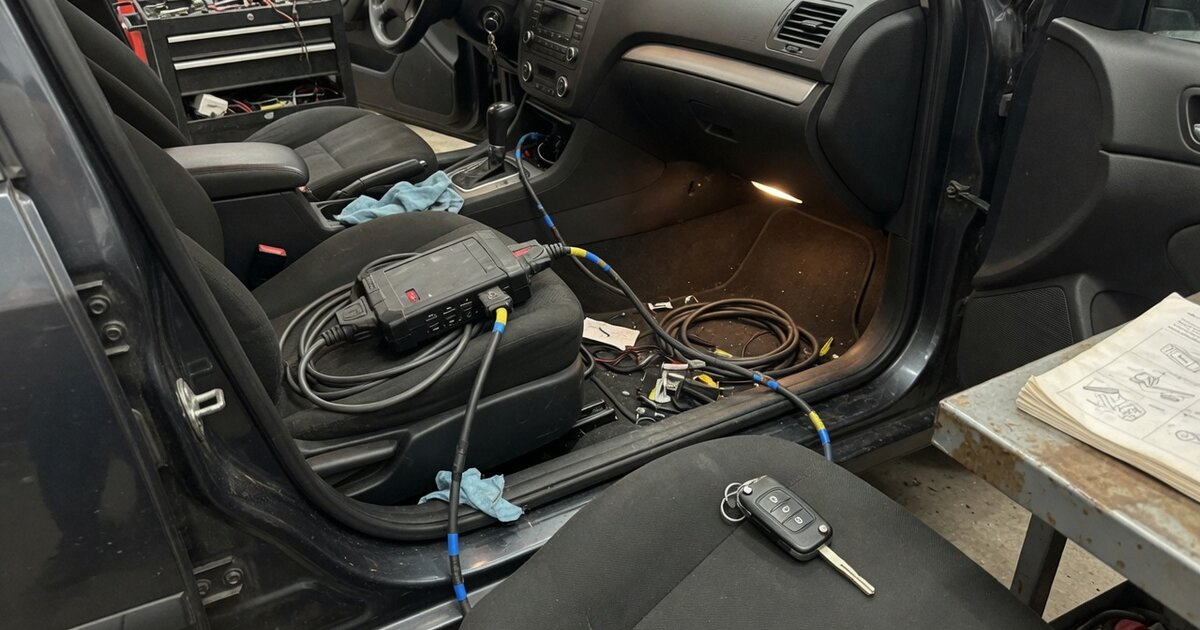
Key fob programming is the process of linking a remote or smart key to a vehicle's onboard immobilizer system so the car recognizes it as authorized. Every modern fob contains a small transponder chip or coded transmitter that has to "introduce" itself to the car's body control module (BCM) or immobilizer before the engine will start or the doors will unlock remotely. Without that pairing step, a brand-new fob bought online or from a dealer parts counter is essentially inert — it can look and feel identical to a working key but won't communicate with the vehicle at all.
The topic matters to a wide range of people: someone who lost their only key, a family that just bought a used car with a single fob, or an owner who wants a spare without paying full dealership rates. The demand behind searches like this usually mixes urgency — locked out, no spare — with cost-consciousness, comparing dealer, locksmith, and do-it-yourself options.
Broadly, there are three routes to getting a fob programmed: a dealership using factory diagnostic equipment, a mobile automotive locksmith with professional key programming tools, or, on a shrinking number of older vehicles, a self-service procedure using only the ignition and an existing key. Which route makes sense depends heavily on the vehicle's age, its security architecture, and whether a working key already exists to authorize the new one.
How it works
At its core, key fob programming is a conversation between the fob and the vehicle's security system. Each fob carries a unique identifier, and the BCM or immobilizer module keeps a list of IDs it will accept. Programming means adding the new fob's ID to that list — or, on some platforms, rewriting the whole list, which can deauthorize old keys in the process.
The exact procedure varies by manufacturer and model year. On many vehicles built before the mid-2000s, it can be done using only the existing keys and the ignition cylinder: cycling the key on and off in a specific sequence puts the car into a programming mode, at which point pressing a button on the new fob teaches it to the system. No external tool is required, but the sequence has to match the vehicle exactly, and most manufacturers phased it out as immobilizer systems grew more sophisticated.
On the majority of vehicles today, programming requires a dedicated tool connected to the OBD-II diagnostic port under the dashboard. The tool — used by dealers, locksmiths, and increasingly by capable DIYers — talks directly to the BCM or immobilizer, reads the vehicle's identity, and writes the new fob's data into memory. Many platforms also require a security PIN or "incode," derived from the vehicle's VIN, before the module will accept a new key, which is meant to stop a stolen car from being re-keyed by anyone with physical access. Some newer models add an online security gateway that blocks aftermarket tools unless they hold registered credentials. The SKP900 key programmer is one example of the kind of OBD-based tool used for this process across a range of makes.
What to consider
Before deciding how to get a fob programmed, it helps to be realistic about what the job actually involves. DIY programming can be genuinely free and quick on the right vehicle, but it isn't universal, and buying a tool for a one-time job rarely pays off compared to a single locksmith visit. A few practical points are worth weighing:
- Vehicle age and platform matter more than brand loyalty — some manufacturers kept simple self-programming procedures well into the 2010s, others dropped them years earlier.
- Having at least one working key already programmed to the car makes the process far easier; an "all keys lost" situation almost always requires professional equipment.
- OBD-based key programmers range from basic consumer dongles to professional multi-brand units like the SKP900; the right choice depends on how many vehicles or brands need support, not just price.
- A generic OBD2 scanner is not the same as a key programmer — most standard diagnostic scanners can read fault codes but cannot write new key data.
- Smart or proximity fobs used with push-button start generally need more involved programming than simple remote-only fobs, and may involve extra antenna or module checks.
- Security gateways on newer vehicles can block non-factory tools entirely, which narrows both DIY and some locksmith options to dealer-level equipment.
- A replacement fob usually needs a physical blade cut or paired as well as programmed electronically — check whether a key cutting step is also required.
- Mobile locksmiths bring programming tools to the vehicle, which is often faster than scheduling a dealership appointment, especially during a lockout.
- Confirm the fob's part number or FCC ID matches the vehicle before programming — a mismatched fob may pair briefly but fail to work reliably afterward.
Common mistakes to avoid
Even a straightforward programming job can go wrong when a step is rushed or skipped. A few recurring mistakes are worth avoiding:
- Assuming any OBD2 code reader can program a key — most cannot, and trying it with the wrong tool wastes time without result.
- Skipping a check of the fob's battery before programming; a weak battery can make an otherwise correct procedure fail intermittently.
- Not identifying an "all keys lost" situation in advance, which changes the required tools and typically the time and cost involved.
- Buying a cheap aftermarket fob without confirming it matches the original's frequency and chip type, resulting in a fob that cuts fine but never pairs.
- Repeating a failed programming attempt over and over instead of checking connections, battery, and mode — some systems lock out further attempts after repeated failures.
- Overlooking that some newer vehicles require online authorization or dealer-level security clearance, so a locksmith's usual tool may simply be blocked on that platform.
Frequently asked questions
Can I program a key fob myself without any tools?
On a limited number of mostly older vehicles, yes — some manufacturers built in a self-programming sequence using only the ignition and an existing working key, typically cycling the key on and off a set number of times to enter programming mode, then pressing a button on the new fob. Most vehicles from the last 10 to 15 years don't support this and instead require an OBD-based programming tool or professional equipment.
What happens if I've lost all my keys, not just one?
An "all keys lost" situation is more involved than adding a spare, because there's no existing working key to authorize the new one. It typically requires a locksmith or dealer to access the vehicle's security system directly, sometimes using a code obtained from the manufacturer via the VIN, and can take longer and cost more than programming an additional fob to a car that already has one working.
Is a locksmith as capable as a dealership for key fob programming?
For most makes and models, yes. Professional mobile locksmiths generally use the same category of OBD-based programming tools as dealerships and can travel to the vehicle rather than requiring a shop visit. The main exception is newer vehicles with manufacturer security gateways that restrict programming to dealer-registered tools, where a locksmith's equipment may not be authorized to finish the job.
Do all key fobs need to be programmed the same way?
No. Basic remote-only fobs are often simpler to pair than proximity "smart" fobs used with push-button start, which may involve extra steps for the immobilizer antenna near the ignition. Procedures also differ significantly by manufacturer, platform, and model year, so a method that works on one vehicle rarely transfers directly to another, even within the same brand.
Can a generic OBD2 scanner program a new key fob?
Generally no. Most consumer diagnostic scanners are built to read and clear fault codes, not to write new key data into the BCM or immobilizer. Programming a fob usually requires a tool specifically designed for that function, such as a dedicated key programmer, which communicates with the vehicle's security module differently than a standard code reader does.
Why would a newly cut key fob fail to program even though it looks correct?
A fob can be physically correct — right shape, right buttons — but still fail to pair if its FCC ID, frequency, or chip type doesn't match the original, or if its battery is weak. Mismatched aftermarket fobs are a common cause of failed programming attempts, so confirming compatibility with the vehicle's exact make, model, and year beforehand can save a repeat trip.