Key Fob Replacement: How It Works and What to Expect
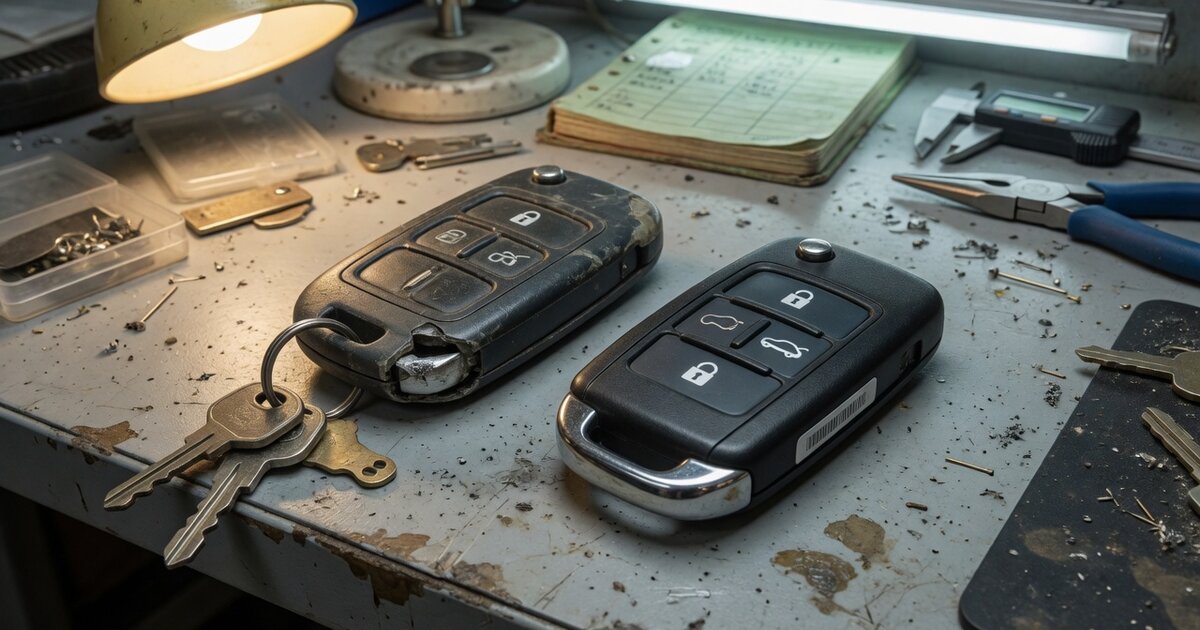
A key fob replacement becomes necessary when a remote is lost, stolen, cracked, dropped in water, or simply stops responding after years of daily use. Unlike a basic metal key, most fobs built over the last two decades combine two separate systems in one small case: a transponder chip that talks to the car's immobilizer to authorize engine start, and a short-range RF signal that handles remote locking, unlocking, and sometimes push-button start. Losing a fob does not just mean an inconvenient walk to the car door - it means the vehicle's security system needs to be told which key or keys are now valid, and that any fob no longer in your possession should be treated as untrusted.
This matters more than it might seem. A car that will not recognize any key is undrivable, and a car that still recognizes a lost or stolen fob is a security risk. Because of that, replacement almost always involves two distinct steps that get talked about as one: sourcing a new physical fob that matches (or can be matched to) the vehicle, and programming it into the car's onboard computer so the immobilizer and remote functions both work. Understanding that split helps explain why prices, timelines, and DIY feasibility vary so much from one situation to the next.
How it works
Replacement starts with identifying exactly what the vehicle needs - the fob's part number or FCC ID, whether it uses a physical blade in addition to remote functions, and whether the immobilizer chip is a separate transponder or built into the fob's circuit board. Getting this wrong is one of the most common sources of wasted money, since a fob that looks identical can still be electronically incompatible with a given model year or trim.
Once a compatible fob is in hand, it has to be paired with the car's computer. A locksmith or technician typically connects programming equipment to the vehicle's OBD-II port and registers the new fob's unique ID with the onboard module, so the immobilizer recognizes it as authorized to start the engine and the receiver recognizes its remote commands. Some older vehicles support a self-programming sequence using the existing keys and the ignition switch, with no external tool required - though this only works if at least one working key already exists. Newer platforms, and particularly certain post-2018 vehicles with additional gateway security modules, restrict this kind of access to dealer-level or professional-grade equipment, which narrows the DIY option considerably.
Who can do the work depends on the situation. Dealerships have manufacturer-specific software and can handle any model they sell, including edge cases like fixing immobilizer errors after a Toyota ECU replacement. Independent locksmiths carry multi-brand programming tools and can often do the same job on-site, at your home or workplace, without a tow or an appointment weeks out. Online sellers can supply the physical fob at a lower cost, but programming still has to happen somewhere - either through a locksmith, a dealer, or a self-programming procedure if the vehicle supports one.
What to consider
Before committing to a replacement path, it helps to weigh a few practical factors rather than just comparing the first quote you get. Costs and requirements swing widely by make, model, and how many working keys you currently have, so a little groundwork upfront avoids a second trip or a wasted purchase.
- Whether you have any working key left - programming a spare from an existing key is usually far simpler and cheaper than starting from zero with no valid key at all.
- Dealer pricing tends to run highest due to proprietary software and overhead, while independent locksmiths are typically more competitive for the same result.
- Buying a fob online is often the cheapest way to get the part itself, but only if you confirm it is the correct FCC ID and chip type for your exact model year.
- Luxury and some European brands may require dealer-level tools regardless of who does the physical replacement.
- Certain newer vehicles with additional security gateways can block aftermarket programming tools entirely, making the dealer the only realistic option.
- Mobile locksmiths can usually come to you, which saves a tow if the car cannot be driven with zero working keys.
- If you need more than one replacement at a time, ask whether programming two replacement keys in one session is possible - some systems handle multiple new keys more efficiently in a single visit than in separate ones.
- Appointment availability varies - dealers often book further out, while locksmiths tend to offer same-day service.
- Confirm whether the quote includes both the fob and the programming labor, since some sellers price them separately.
Common mistakes to avoid
A surprising number of key fob replacement headaches come from avoidable missteps rather than bad luck. Being aware of the usual pitfalls can save both time and money.
- Buying a fob based on appearance alone instead of verifying the exact FCC ID or part number against your vehicle.
- Assuming a dead battery is a programming failure - a fresh battery resolves a large share of "the fob stopped working" cases, including issues covered by a Toyota smart key battery replacement and relearn procedure.
- Not mentioning a lost or stolen key when getting a replacement programmed, which can leave the old fob still valid and pose a security risk.
- Skipping the immobilizer step and assuming a fob will start the car just because the remote locks and unlocks the doors.
- Waiting until every key is lost before acting, which often forces a more expensive full-system reset instead of a simple add-a-key procedure.
- Choosing the lowest quote without confirming it covers both parts and labor for programming.
Frequently asked questions
How long does key fob replacement usually take?
Programming itself is often quick, sometimes well under an hour once the correct fob is on hand and the technician has access to the vehicle. The bigger variable is sourcing the right part - if it has to be ordered because your model isn't a common stock item, the whole process can stretch to a few days, whereas a locksmith carrying common fobs can frequently finish everything in a single visit.
Can I program a new key fob myself?
On some older vehicles, yes - certain models support a self-programming sequence using the ignition and existing keys, with no special tool needed. Newer vehicles, and especially those with additional security gateway modules, generally block this kind of DIY access and require professional-grade programming equipment, so check your specific model before assuming a self-programming route exists.
What happens if I lose all my keys, not just one?
Losing every key is more involved, because many immobilizer systems will erase all previously registered keys and start fresh rather than allow a single new one to be added while an unaccounted-for key still exists. This is a deliberate security measure. It typically means the vehicle needs to be accessed physically and a full key reset performed, which usually takes longer and costs more than adding a spare to an existing set.
Is a locksmith as reliable as a dealership for this?
For most everyday makes and models, a qualified automotive locksmith uses the same category of professional programming tools as a dealership and can complete the job to the same standard, often faster and at a lower cost. The dealership becomes more relevant for certain luxury or European brands with proprietary requirements, or for vehicles where the security system itself needs a manufacturer-level reset.
Why do some vehicles only allow dealer programming?
A number of newer vehicles, including certain models from manufacturers using additional secure gateway modules, are built to block aftermarket diagnostic and programming tools from accessing the immobilizer system. That restriction is intentional, aimed at reducing theft risk, but it means independent locksmiths may not be able to complete programming on those specific platforms, leaving the dealer as the practical option.
Does a replacement fob need to match my original exactly?
It needs to match electronically, not necessarily be from the original manufacturer. Aftermarket fobs can work well as long as the FCC ID, frequency, and transponder chip type are correct for your specific model year and trim, since even visually identical fobs can differ under the hood. Confirming compatibility before buying, rather than after, avoids returning a part that cannot be programmed to your vehicle.