OBD2 Scanner: What It Is and How to Choose One
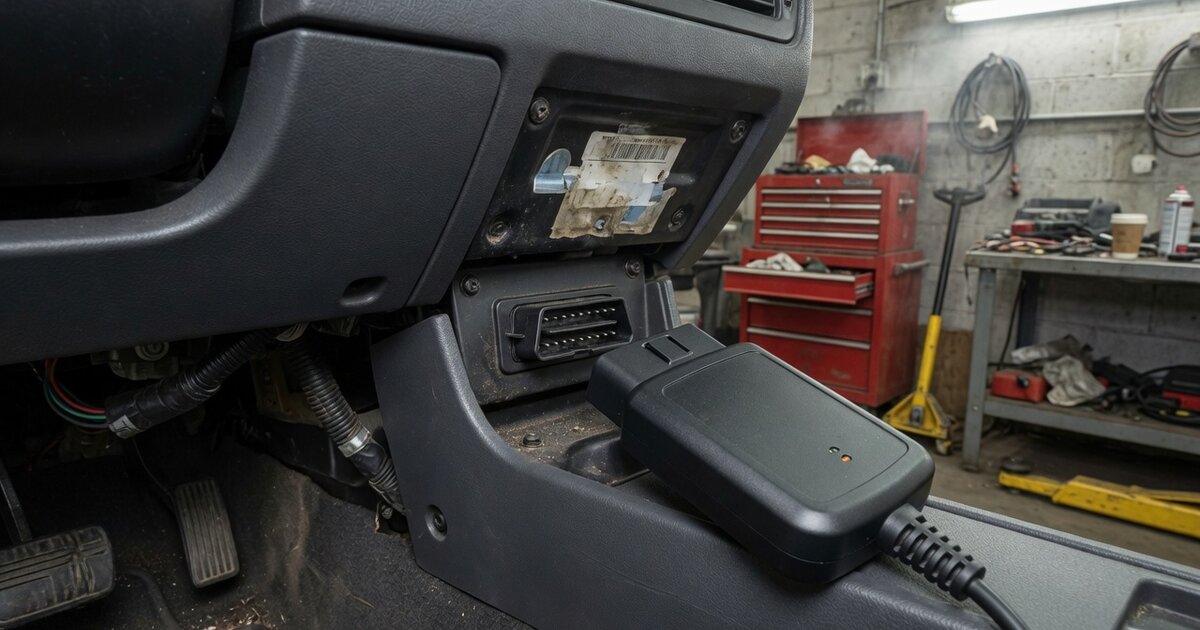
An OBD2 scanner is a handheld or app-connected device that plugs into a car's onboard diagnostic port to read data from the vehicle's electronic control unit, or ECU. Since the late 1990s, nearly every car and light truck sold has included an OBD2 (On-Board Diagnostics, second generation) system that continuously monitors the engine, emissions, transmission, and other subsystems for faults. When something goes wrong, the ECU logs a diagnostic trouble code and often lights up the dashboard's check engine light. An OBD2 scanner is the tool that lets a driver, mechanic, or locksmith actually see what that code means instead of guessing.
These tools range from inexpensive pocket-sized code readers to full professional diagnostic platforms used in repair shops, and their usefulness goes beyond just clearing a warning light. A scanner can help confirm whether a car is safe to drive, whether a repair actually fixed the underlying problem, or whether a used car has hidden issues before purchase. For anyone working in automotive locksmithing or key programming, a capable scanner is also frequently the first step in identifying the vehicle's ECU type and communication protocol before more specialized programming tools, such as the OBDSTAR F100 Ford Mazda OBD2 Key programmer, are connected. This guide covers how OBD2 scanners work, what to look for when choosing one, common mistakes buyers make, and answers to frequently asked questions.
How it works
Every OBD2-compliant vehicle has a standardized 16-pin diagnostic connector, typically located under the dashboard near the steering column. This connector, formally known as the SAE J1962 connector, gives external tools a direct line into the car's internal communication network. When a scanner is plugged in, it powers up and begins exchanging data with the ECU using one of a small number of standardized communication protocols. Since around 2008, the Controller Area Network (CAN bus) protocol has become the dominant standard across most vehicles sold in the United States and many other markets, though older vehicles may use other legacy protocols depending on the manufacturer.
Once communication is established, the scanner can request several categories of information. The most common is stored diagnostic trouble codes, which are alphanumeric codes that point to a specific system or fault, such as a misfire, an emissions sensor reading outside its expected range, or a wiring fault. Beyond trouble codes, many scanners can also read live sensor data, sometimes called Parameter IDs (PIDs), which includes real-time values like engine RPM, coolant temperature, fuel trim, and oxygen sensor readings. More capable scanners can also access freeze-frame data captured at the moment a fault occurred, readiness monitor status used for emissions inspections, and on some vehicles, manufacturer-specific systems beyond the powertrain, such as ABS, airbags, or body modules.
What to consider
Not every OBD2 scanner is built for the same job, and picking the right one depends heavily on what you actually need it to do. Before buying, it helps to weigh the following:
- Vehicle compatibility: confirm the scanner supports your car's make, model, and year, since coverage varies significantly between budget and professional tools.
- Protocol support: make sure the device supports the communication protocol used by your vehicle, particularly if you work on older or mixed-fleet vehicles.
- Depth of access: basic code readers typically only cover the engine and emissions system, while mid-range and professional tools can reach ABS, transmission, airbag, and other modules.
- Live data and graphing: if you need to diagnose intermittent issues, look for a scanner that can display and graph real-time sensor data, not just static codes.
- Price tier versus use case: budget scanners are fine for occasional check-engine-light checks, mid-range tools suit serious DIYers, and professional-grade units are built for shops doing frequent, complex diagnostic work.
- Update policy: check whether software and vehicle coverage updates are included, free, or require an ongoing subscription.
- Connection type: wired handheld units, Bluetooth or Wi-Fi adapters paired with an app, and standalone touchscreen tablets each have different tradeoffs in convenience and reliability.
- Build quality and interface: a clear display and intuitive menu structure matter more than they might seem, especially when working under time pressure.
- Additional functions: features like service light resets, bi-directional tests, or special functions can matter for repair shops but are unnecessary for casual users.
Common mistakes to avoid
Even a good scanner won't help much if it's used or interpreted incorrectly. Some of the most frequent mistakes include:
- Assuming a code name means an automatic part replacement, when in reality a trouble code only points toward a system or circuit that needs further inspection.
- Clearing codes without diagnosing the root cause, which can mask a problem until it resurfaces or worsens.
- Buying a scanner without checking that it actually supports the specific vehicle's protocol and model year.
- Ignoring pending or freeze-frame data, which often holds important context about when and how a fault occurred.
- Expecting a basic code reader to access manufacturer-specific systems like transmission or airbag modules that require broader coverage.
- Skipping firmware or software updates, which can leave the scanner unable to recognize newer vehicles or codes.
Frequently asked questions
Do I need an OBD2 scanner if my check engine light is on?
You don't strictly need one, since many auto parts stores offer free code reads, but owning a scanner lets you check the code immediately, monitor whether it returns after a repair, and avoid repeat trips. It's especially useful if the light comes on intermittently, since a store visit may happen after the code has already cleared itself.
Will an OBD2 scanner work on any car?
Any vehicle built to the OBD2 standard, which covers most gasoline vehicles sold in the US since 1996 and many other markets slightly later, should support basic scanning. However, deeper access to specific modules like ABS or airbags depends on the scanner's software and the vehicle manufacturer, so it's worth checking coverage before assuming full compatibility.
What's the difference between a code reader and a full diagnostic scanner?
A code reader is generally limited to reading and clearing engine and emissions codes, making it suitable for basic troubleshooting. A full diagnostic scanner can typically access multiple vehicle systems, display live sensor data, and in some cases perform special functions like resets, which is why shops and serious DIYers usually choose the latter.
Can an OBD2 scanner damage my car?
A properly designed OBD2 scanner communicates with the ECU using standardized read requests and shouldn't damage the vehicle under normal use. Risk mostly comes from using bi-directional or special-function commands incorrectly, or from connecting a poorly made or counterfeit device, so it's worth choosing a scanner from a manufacturer with a reasonable track record.
Why does my scanner show a code but no obvious symptoms?
Some trouble codes relate to systems that don't produce a noticeable driving symptom, such as a minor evaporative emissions leak, or the issue may be intermittent and not currently active. Checking whether the code is 'pending' or 'confirmed,' along with reviewing freeze-frame data, can help clarify how serious and consistent the underlying issue is.
Are Bluetooth OBD2 adapters as reliable as handheld scanners?
Bluetooth adapters paired with an app can be just as capable for many tasks, and they're often more affordable and convenient, but reliability depends on the adapter's build quality and the companion app's stability. Dedicated handheld or tablet-based scanners, similar in spirit to tools like the Xtool X100 PAD OBD2, tend to offer more consistent performance for frequent professional use.