What Is a Key Bypasser and How Does It Work?
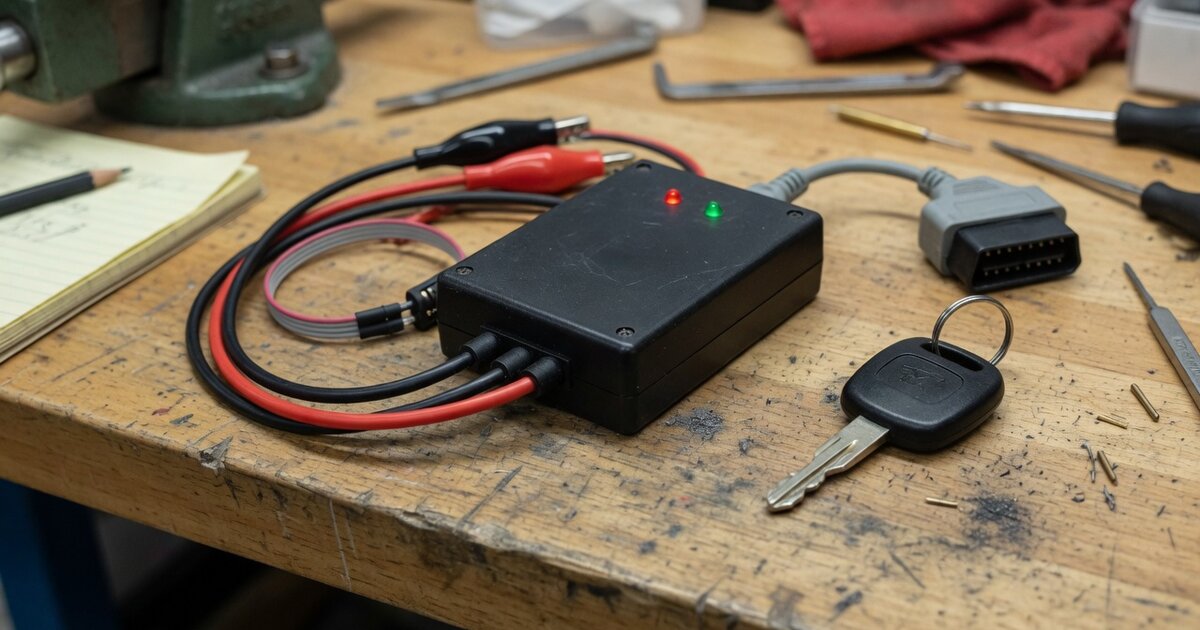
A key bypasser, more formally called an immobilizer or transponder bypass module, is a small piece of hardware that tricks a vehicle's factory immobilizer into thinking a valid key is present. Since the early 2000s, most vehicles have shipped with an immobilizer system: a receiver antenna around the ignition cylinder reads a coded signal from a transponder chip embedded in the key, and the engine control unit will only allow starting when it recognizes that signal. A bypass module reproduces or relays that signal electronically, so the car can be started without a physical key being turned in the ignition each time.
The two most common legitimate uses are remote start installations and locksmith recovery work. Installers use bypass modules so an aftermarket remote starter or push-button start system can crank the engine without a person present to insert a key. Mobile locksmiths use similar bypass or emulator hardware during lost-key emergencies, key duplication, or when a transponder chip has failed and the vehicle will not recognize a working key. Because the same technology that enables these legitimate jobs can, in principle, be misused to defeat vehicle security, it is worth understanding both how the devices work and where the practical and legal boundaries sit before buying or installing one.
How it works
Every transponder key immobilizer system works on the same basic principle: a low-power antenna coil, usually built into or around the ignition lock, energizes the chip inside the key when it comes close enough. The chip then transmits a coded reply, either a fixed identifier or a rolling code depending on the system's age, back to the antenna. The vehicle's body control module or immobilizer control unit compares that reply against the codes it has stored for authorized keys. If there is a match, it releases the fuel and ignition lockout; if not, the engine will crank but not run.
A bypass module intervenes in that exchange. In the most common remote-start setup, an actual working key (often a spare) is placed permanently inside the module's own antenna loop, so the module itself supplies the correct transponder reply whenever the system requests it, without anyone turning that key by hand. Some newer modules instead learn and store the code electronically so no physical key needs to stay wired into the car. Locksmith-grade tools take a related but more advanced approach: full-featured key programmers can read security data directly from the immobilizer or from a lost-key module, bypassing the need for an existing working key at all. That is a different class of tool from the simple two-wire remote-start module, closer to the diagnostic-level work done with dedicated key programming hardware such as the Xhorse VVDI Prog BMW CAS4 key support, which reads and writes immobilizer data on specific chassis rather than simply relaying a stored code.
What to consider
Bypass modules are not one-size-fits-all, and buying the wrong one, or using one in the wrong context, causes more failed jobs than any other factor. Before purchasing or using one, weigh the following:
- Ownership and authorization: only bypass the immobilizer on a vehicle you own or are professionally authorized to work on.
- Purpose: remote-start bypass modules and locksmith diagnostic bypass tools solve different problems and are not interchangeable.
- Immobilizer type: passive RFID transponder systems, rolling-code systems, and encrypted factory security systems each require different hardware.
- Spare key requirement: many basic bypass modules require a working spare key to place inside the unit; they do not create a key from nothing.
- Vehicle age and manufacturer: compatibility varies significantly by make, model, and model year, so check documented support before buying.
- Licensing: some regions and some vehicle manufacturers restrict access to security-related programming to credentialed locksmiths or shops.
- Installer skill: incorrect wiring or module placement can trigger false immobilizer faults, drain the battery, or damage the receiver antenna.
- Integration with remote start: confirm the bypass module is rated for the specific remote-start or alarm system it will pair with.
- Documentation: keep records of installation for warranty and resale purposes, since aftermarket immobilizer work can affect dealer service.
Common mistakes to avoid
Most bypass module problems trace back to a handful of avoidable errors during selection or installation:
- Buying a generic universal module without confirming it supports the vehicle's specific immobilizer generation.
- Assuming a bypass module can start a car with no key at all, when most consumer-grade units still require a working spare key inside them.
- Mounting the module near heat sources, moisture, or metal shielding that interferes with the antenna's signal.
- Skipping a post-install test of the factory key and lock cylinder, leaving the owner without a manual backup.
- Using a bypass or emulator tool outside its intended legitimate purpose, such as on a vehicle without clear ownership or authorization.
- Ignoring dash warning lights or intermittent no-start faults after installation instead of rechecking the wiring.
Frequently asked questions
Is a key bypasser the same as a key programmer?
No. A basic bypass module simply relays or stores an existing transponder signal so the immobilizer sees a valid key present, usually to support remote start. A key programmer is diagnostic hardware that can read, write, or add new key data directly to the vehicle's immobilizer system, which is a more involved and more regulated process.
Can a bypass module start a car with no keys available?
Most consumer bypass modules for remote start still require a working spare key placed inside the unit; they do not generate a new key. Recovering a vehicle with zero working keys typically requires a locksmith with security-access diagnostic equipment rather than a simple bypass module.
Do all cars with chip keys support a bypass module?
No. Compatibility depends on the specific immobilizer system used by the manufacturer and model year. Some passive transponder systems are widely supported by universal modules, while encrypted or manufacturer-specific systems may need dedicated hardware or professional programming instead.
Why do remote start installers need a bypass module?
A remote starter has to crank and run the engine without anyone inserting a key, but the factory immobilizer expects to see a valid transponder signal before it allows the engine to run. The bypass module supplies that signal automatically so the remote start system and the factory security system can coexist.
Is it legal to buy an immobilizer bypass module?
The modules themselves are sold as legitimate automotive accessories for remote-start and locksmith installers. Legality depends on how the device is used: bypassing the immobilizer on a vehicle you own or are contracted to service is normal aftermarket work, while using one on a vehicle without authorization raises separate legal issues.
Will installing a bypass module affect my factory security system?
A correctly installed bypass module is designed to work alongside the factory immobilizer, not disable it permanently; the factory system remains active for normal key use. Poor installation, however, can cause false fault codes, so professional installation and testing afterward are recommended.