2005 Cadillac CTS Service Airbag Light: What Triggers It
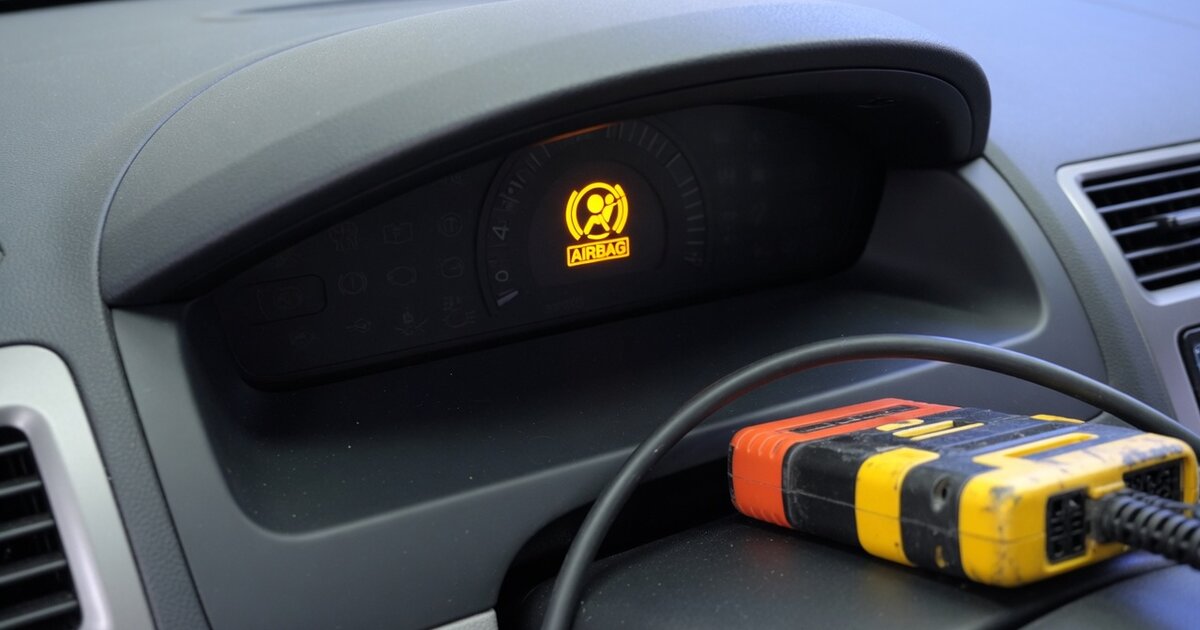
A "Service Airbag" message on a 2005 Cadillac CTS instrument cluster is the car telling you its Supplemental Restraint System (SRS) — airbags, seat belt pretensioners, and the sensors that control them — has logged a fault it can't clear on its own. It's a small first-generation CTS with an aging wiring harness by now, and owner complaint records filed with NHTSA for this exact model year show a real, recurring pattern of SRS-related warnings: entries filed under "Air Bag Light Stays On," "Air Bags: Frontal: Sensor/Control Module," "Occupant Classification: Status Indicator Lamp," and several seat belt categories. That spread of categories is itself useful information — it tells you the warning doesn't trace back to one single part on this platform, which is why a shop diagnosing this light has to actually read the fault codes rather than guess.
What Triggers This Specific Warning
The SRS system on the CTS is managed by GM's Sensing and Diagnostic Module (SDM), which monitors the airbag squibs, seat belt pretensioners, the buckle switches, the crash sensors, and — on the passenger side — an occupant classification sensor built into the seat cushion that estimates whether an adult, child, or empty seat is present so the system knows whether to allow the passenger airbag to deploy. Any open circuit, short, resistance fault, or implausible signal in that chain sets a code and lights the warning, and owner reports for this model year point to more than one weak link rather than a single culprit.
One documented complaint for the 2005 CTS describes the "passenger side buckle tensioner not working" with the service airbag light on, despite no prior collision — consistent with a seat belt pretensioner or buckle switch circuit fault rather than a deployed component. Other reports describe the passenger seat sensor failing to register an occupant, tripping the occupant classification status indicator — a known weak point on GM seats of this era, since the sensor mat and its connector live under a seat that gets adjusted, slid, and occasionally exposed to spilled liquids over years of use. Separately, NHTSA's frontal sensor/control module category for this year points to SDM-related faults, where the module itself, its power/ground circuits, or its connector develop a fault the system can't resolve. Corroded or loose connectors under the seats and behind the console — common on a 20-year-old car that's seen Northern winters or a wet interior at some point — are a frequent contributor to intermittent versions of this warning, since they can cause resistance that mimics a sensor failure without one actually being broken. None of these should be assumed as "the" cause without a code read; they're the documented candidates a technician rules in or out.
How It's Typically Diagnosed
A proper diagnosis starts with pulling stored and history SRS codes from the SDM using a scan tool capable of reading GM body/restraint systems — a generic OBD-II reader that only checks powertrain codes won't see SRS faults at all, since airbag diagnostics live on a separate module and bus. The code(s) returned point to a specific circuit: seat belt pretensioner circuit, occupant sensor circuit, driver or passenger airbag squib circuit, or an internal SDM fault, and each has a different follow-up procedure from there.
From the code, the technician moves to circuit-level checks: verifying voltage and ground at the connector in question, checking resistance across the squib or sensor circuit with the harness disconnected (never with it live, given the risk of accidental deployment), and inspecting the connector itself for corrosion, a bent pin, or a partially seated plug — especially at connectors under the seats, which get disturbed every time the seat is adjusted or removed for other work. If the wiring and connectors check out clean, attention shifts to the component itself: the occupant sensor mat, the buckle switch, or the SDM. Because the SDM stores crash data and fault history, after a repair is completed the stored codes and any crash data flag need to be cleared and the system verified fault-free — which is the service our airbag reset service article covers in more depth, including what that reset does and doesn't do. It's worth being clear that a reset by itself doesn't fix anything; it's the last step after the actual electrical fault has been found and repaired, not a substitute for finding it.
Common Mistakes to Avoid
The most common mistake is treating the light as cosmetic and driving on it for months, or having a shop clear the code without ever finding the underlying circuit fault — the warning almost always comes back, and worse, an unresolved SRS fault can mean an airbag or pretensioner won't fire correctly in an actual collision, which is not a corner worth cutting on a safety system. A second mistake is assuming a code you look up generically online (say, from a forum thread about a different GM model) applies directly to your circuit numbering on the CTS; SRS codes are model- and platform-specific enough that the wrong assumption sends a DIYer chasing the wrong connector. Third, disconnecting or probing airbag connectors with the battery connected, or without waiting out the manufacturer's discharge time first, is a real safety risk to the person doing the work, not just a diagnostic misstep. This is a different animal from ignition/security-system warnings — the kind covered in guides like our Chevy Cobalt Immobilizer Bypass: A Passlock Service Guide — where a misdiagnosis mostly costs time; here it costs safety margin, so it's worth having someone with the right SRS-capable scan tool actually pull the codes rather than guessing from symptoms alone.
Frequently Asked Questions
Is it safe to keep driving with the Service Airbag light on?
It's not an immediate breakdown risk the way an engine warning might be, but it means the SRS system has a fault it can't resolve — which can mean a pretensioner, airbag, or the passenger sensor won't behave correctly in a real crash. It should be diagnosed promptly rather than ignored long-term.
Can I just reset the light myself and see if it comes back?
You can clear the code, and on an intermittent connector issue it's a legitimate diagnostic step to see if it returns. But a reset alone doesn't repair anything, and if the underlying fault (a bad connector, a failed sensor, a pretensioner circuit issue) is still present, the light comes back — sometimes right away, sometimes after the connection is disturbed again by seat movement or vibration.
Does a generic OBD-II code reader see SRS/airbag codes?
Generally no. Most inexpensive generic scanners only read powertrain (engine/transmission) codes. SRS faults live on GM's separate restraint system module and need a scan tool with body/SRS system coverage to read and clear them correctly.
Is the passenger seat sensor a common cause on this car?
It's one of the documented causes for this model year — reports describe the passenger occupant sensor failing to register a person in the seat, which trips the occupant classification indicator. It's a real possibility to check, but not the only one, since seat belt tensioner circuits and SDM/connector faults are also documented for the same model year.
Could a previous accident or aftermarket seat cover be involved?
Yes — any prior collision, even a minor one that didn't visibly damage the car, can leave a pretensioner partially fired or a sensor circuit disturbed. Aftermarket seat covers or upholstery work can also pinch or disconnect the occupant sensor wiring under the seat cushion, so it's worth mentioning any past seat or upholstery work to whoever diagnoses the fault.
Will clearing the airbag light affect anything else, like the security or ignition system?
No — the SRS/airbag system and the immobilizer/security system are separate modules on this car, so a code clear here doesn't touch ignition or anti-theft functions. If you're dealing with a security-related issue instead, that's a different diagnostic path entirely, closer to what our GM Passlock and NATS immobilizer guides cover for other models.