Car Diagnostic Tools: A Complete Overview of the Market
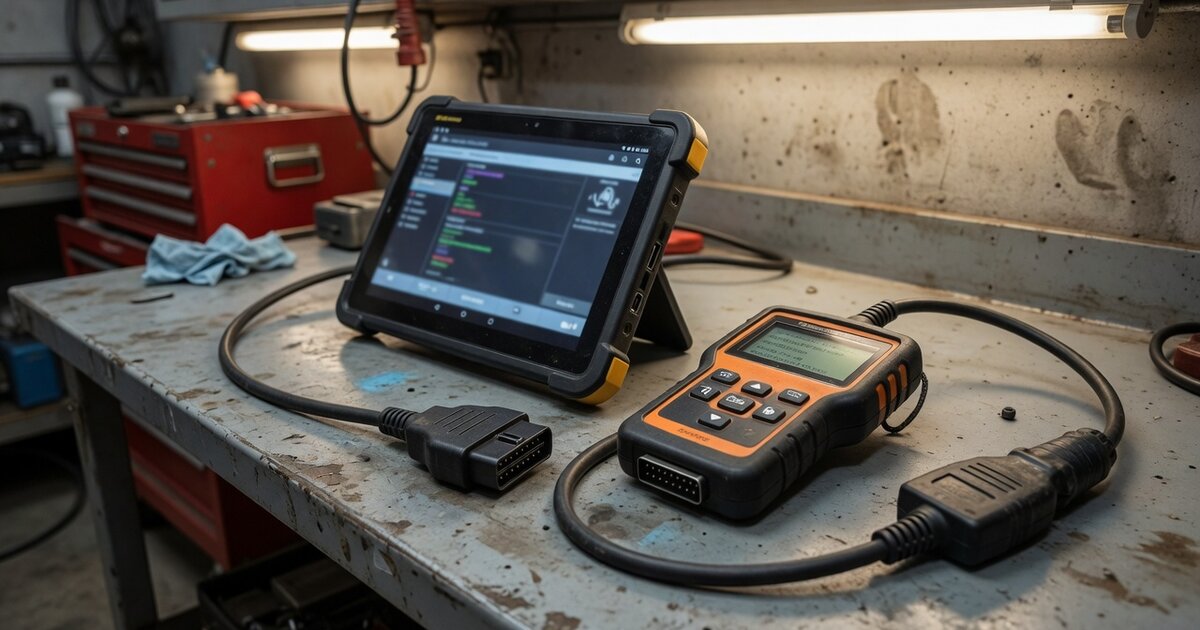
"Car diagnostic tools" is a broad category, and that is exactly why the phrase gets typed into search bars so often: people are looking for orientation, not a spec sheet for one gadget. At the low end sits a pocket-sized code reader that plugs into the OBD2 port and clears a check-engine light. At the high end sits a dealer-grade workstation that talks to every module on a modern vehicle, runs guided diagnostic routines, and reprograms control units. In between is a long stretch of professional-grade scan tools aimed at independent shops, mobile technicians, and serious DIYers who want live data streams, bidirectional tests, and multi-system coverage without paying dealer prices. A separate branch of the market, key and immobilizer diagnostic tools, exists specifically to read security modules, program transponder keys, and troubleshoot immobilizer faults that a normal scan tool cannot touch. This overview walks through the main categories, what distinguishes them, and how to think about matching a tool to the actual job rather than buying more capability than the work requires, staying at the landscape level rather than digging into any single category.
Types of diagnostic tools
Code readers are the entry point: inexpensive, largely plug-and-play devices that read and clear generic, and sometimes manufacturer-specific, powertrain trouble codes. They are built for drivers who want to know why a warning light came on, not for diagnosing the root cause of an intermittent fault. Scan tools sit a level up. A genuine scan tool adds live data streams, freeze-frame data, readiness monitors, and, on more capable models, access to additional modules such as ABS, SRS, transmission, and body control, plus bidirectional tests that let a technician command a component, such as a fuel injector, a solenoid, or a fan, rather than just read its status. This is the tier most independent shops and serious hobbyists work from day to day. Dealer-level, or OEM, systems go further still. Built by or licensed from the vehicle manufacturers, they reach every module using manufacturer-specific protocols, run guided test plans written around factory service procedures, and handle programming and coding tasks a generic scanner cannot attempt. They are accurate and deep for the brands they cover, but they are also the most expensive tier and usually locked to one or a handful of makes. Finally, specialty tools cover jobs outside general fault-code diagnosis, key programming and immobilizer work chief among them. Tools built for that niche, such as the Lonsdor K518ISE auto key programmer or the OBDSTAR X300 DP immo key programming and odometer correction tool, read security data, program transponder and smart keys, and in some cases correct odometer readings, functions a standard code reader or scan tool does not perform at all.
What to consider
Choosing between these categories comes down to what you are actually trying to accomplish, not which tool has the longest feature list on the box. A few questions are worth answering before buying:
- What is the actual job: reading a warning light, diagnosing an intermittent fault, or programming a replacement key?
- How many vehicle makes do you need to cover, one brand you own or a mixed fleet?
- Do you need bidirectional control, meaning actuating components rather than just reading data, or is passive code reading enough?
- Which systems beyond the engine matter for your work: ABS, SRS, transmission, HVAC, or hybrid and EV modules?
- Does the tool receive regular software and coverage updates, and what do they cost after the first year?
- Is the tool meant for occasional home use or daily professional use, where build quality and connection speed matter more?
- Does the job require security-system or immobilizer access that a general scan tool will not provide?
- What is the realistic budget, including update subscriptions and any required adapters or cables?
- Will the tool still be useful as the mix of vehicles you work on changes over the next few years?
Common mistakes to avoid
A handful of mistakes come up over and over when people shop for diagnostic tools:
- Buying a basic code reader for jobs that actually need bidirectional control or multi-module access, then finding out it cannot finish the diagnosis.
- Assuming any OBD2-compatible tool automatically supports every make and model equally, when coverage and depth vary widely between brands.
- Skipping software updates and ending up with outdated code definitions or missing coverage for newer model years.
- Treating a scanner's suggested fix as final without confirming with live data or a physical inspection, since a code points to a circuit, not always the failed part.
- Expecting a general scan tool to handle key programming or immobilizer work, which typically needs a dedicated specialty tool instead.
- Ignoring cable and connector quality, which causes more diagnostic dropouts and false readings than most people expect.
Frequently asked questions
What is the difference between a code reader and a scan tool?
A code reader mainly reads and clears trouble codes, usually from the engine system only. A scan tool goes further, adding live data, multi-module access such as ABS or transmission, and, on many models, bidirectional tests that let a technician actively command a component instead of just reading its status. If a job needs more than clearing a check-engine light, a scan tool is generally the better fit.
Do I need a dealer-level tool for my car?
Most repairs and diagnostics do not require a dealer-level system; a good professional scan tool covers the great majority of code reading, live data, and multi-module work. Dealer-level tools become worth their cost mainly for manufacturer-specific programming, coding, or guided factory procedures that generic scanners cannot perform, which is a narrower need than most owners or independent shops actually have.
Can a diagnostic tool fix my car by itself?
No. A diagnostic tool identifies faults and shows data that points toward a cause, but it does not repair anything on its own. A trouble code typically identifies a circuit or system, not necessarily the specific failed part, so confirming the actual cause still requires inspection, testing, or a technician's judgment before any repair is made.
What is bidirectional control and do I need it?
Bidirectional control lets a scan tool send commands to a vehicle's systems, such as cycling a fuel injector or running a component test, instead of only reading data. It is valuable for diagnosing intermittent or hard-to-isolate faults and for certain service procedures. Casual users who mainly want to read and clear codes usually will not need it.
Are inexpensive OBD2 scanners reliable?
Inexpensive scanners can be reliable for their intended scope, which is usually basic engine code reading and clearing on common vehicles. Problems tend to show up when buyers expect budget tools to match professional scan tools on module coverage, bidirectional tests, or software update frequency, none of which low-cost devices are generally built to provide.
Do regular scan tools work for key programming or immobilizer diagnostics?
Generally no. Key programming and immobilizer diagnostics involve reading and writing security data that standard code readers and scan tools are not built to access. That work calls for dedicated key programming tools designed for the vehicle's immobilizer system, such as the Lonsdor K518ISE or the OBDSTAR X300 DP, rather than a general-purpose diagnostic scanner.