Locksmith Tools for Beginners: Building a Starter Automotive Kit
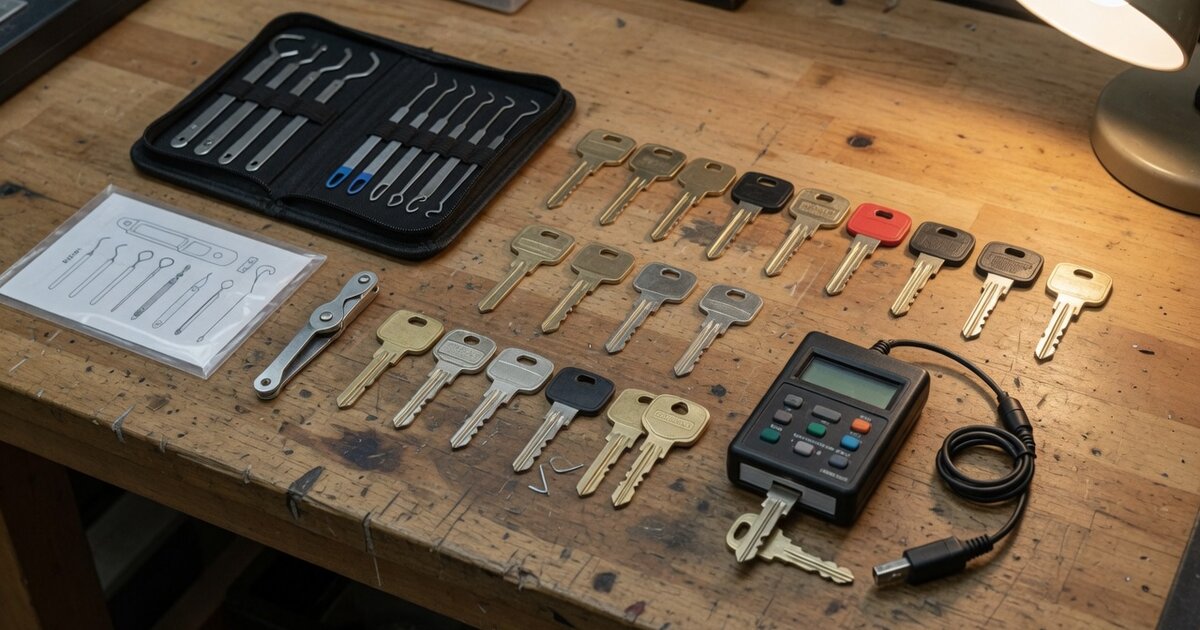
Starting out in automotive locksmithing means facing a shelf of specialized equipment, and figuring out which tools genuinely earn a spot in that first toolbox can feel overwhelming. A starter locksmith tool kit for car work usually narrows down to a handful of core categories: entry tools for getting into a locked vehicle without damage, picking and decoding tools that read a lock's cuts directly from the cylinder, a way to cut physical keys, and increasingly, a compact key programmer or OBD-based diagnostic tool to handle transponder and remote programming. Very few beginners buy everything at once. Most build a working kit gradually, picking up specialized items — Lishi picks for a specific vehicle brand, a second key cutting machine, an upgraded programmer — only after the calls that need them start showing up regularly. The goal early on isn't owning the widest possible tool selection; it's having a reliable, well-understood set of tools that covers the most common jobs a new locksmith will actually be hired for: lockouts, key duplication, and basic key programming. Everything past that core kit is an investment decision tied to the kind of work coming in, not a checklist to complete before taking a first job.
Essential tools to start with
A workable starter kit tends to fall into a few clear categories rather than a long list of individual gadgets. Non-destructive entry tools come first: air wedges to create a gap at the door frame, long-reach tools with grabber or hook attachments to manipulate the interior lock button or handle, and a slim jim for older vehicles that still use manual linkages. These let a beginner handle the most frequent call — a lockout — without damaging paint or trim.
Lock picking and decoding tools are the next layer. A set of tension wrenches and basic picks covers pin tumbler locks, but automotive work leans heavily on Lishi picks, which combine picking and decoding in one tool so the technician can read a lock's cuts and cut a working key without disassembling anything. Because vehicle lock cylinders vary by manufacturer, most locksmiths add Lishi tools for specific makes as jobs demand them rather than buying a full brand lineup upfront.
A key cutting machine is close to mandatory once duplication or replacement work is part of the job, and a compact key extractor handles the recurring problem of a key snapping off inside a cylinder. Finally, a portable key programmer or an OBDSTAR tools upgrade-style diagnostic unit lets a beginner move into transponder programming and remote registration, which is where a growing share of modern automotive locksmith income comes from as vehicles rely less on purely mechanical locks.
What to consider
Before spending on a starter kit, it helps to think through how the tools will actually get used rather than buying based on a generic list. A few practical factors make the difference between a kit that gets used daily and one that sits in a case.
- Budget realistically for a working core kit first, and treat specialty tools as later purchases tied to actual job demand.
- Favor tools with a clear growth path — a programmer or cutting machine that accepts software updates and added key types outlasts one that is locked to a narrow feature set.
- Factor in ongoing costs, not just the upfront purchase: many programming tools require subscriptions or paid token systems to unlock newer vehicle coverage.
- Check what vehicle makes are actually common in the local market before buying brand-specific Lishi picks or software licenses that may rarely get used.
- Invest time in training alongside tools — a picking or decoding tool is only as useful as the technician's ability to read what it's showing.
- Consider portability and case organization; a kit that's awkward to carry on service calls slows down every job, not just occasional ones.
- Look for tools with active manufacturer support and firmware updates, since automotive security systems change frequently.
- Weigh buying individual tools against pre-assembled starter bundles, which can simplify the first purchase but sometimes include items a particular market doesn't need.
- Keep legal and licensing requirements in mind, since some regions require locksmith registration or background checks before certain tools can be purchased or used professionally.
Common mistakes to avoid
New locksmiths often make the same handful of avoidable mistakes when assembling their first kit, usually driven by trying to do too much too soon or underestimating what a job actually requires.
- Buying a large all-in-one kit before knowing which vehicle makes and job types are actually common in the local area.
- Skipping tension wrenches and basic picks in favor of only pick guns, which limits control on tighter or older locks.
- Choosing the cheapest key cutting machine available without checking whether it supports the key types actually needed.
- Ignoring software update and subscription costs for programming tools until after the purchase is already made.
- Treating tool ownership as a substitute for training, rather than learning how to use each tool correctly first.
- Neglecting a proper case or storage system, which leads to damaged picks and lost small parts on the job.
Frequently asked questions
What tools do I actually need to start automotive locksmith work?
A practical starter kit covers non-destructive entry (air wedges and long-reach tools), a set of tension wrenches and picks, a Lishi pick for the vehicle makes most common in your area, a key cutting machine, a key extractor for broken keys, and a basic key programmer for transponder and remote work. Beyond that, most tools get added as specific jobs call for them.
Do I need a key programmer as a beginner?
Not on day one, but it becomes important quickly. A large share of modern locksmith calls involve programming a transponder key or remote rather than cutting a purely mechanical key, so most beginners add a compact programmer or OBD-based tool early, once lockout and cutting work is comfortable and the budget allows for it.
How much should a starter kit cost?
Costs vary widely depending on how many categories you cover at once and whether you buy individual tools or a pre-assembled bundle. Starting with a core lockout, picking, and cutting kit and adding a programmer later is generally more affordable than buying a full brand-specific tool lineup upfront, and it lets spending track actual demand.
Are Lishi picks necessary right away?
Not for every make at once. Lishi picks are extremely useful because they combine picking and decoding, but they're typically sold per vehicle brand or lock type, so it makes more sense to buy the ones matching vehicles common in your local market first, then expand the collection as different jobs come in.
What's the difference between a lockout kit and a full locksmith kit?
A lockout kit is limited to non-destructive entry tools like air wedges, long-reach tools, and sometimes a slim jim — enough to open a locked vehicle. A full starter locksmith kit adds picking and decoding tools, a key cutting machine, extraction tools, and a programmer, covering duplication and programming work as well as entry.
Do I need formal training before buying tools?
Tools alone won't make the work go smoothly. Picking, decoding, and programming tools all require an understanding of how the underlying lock or electronic system works, so pairing any purchase with structured training or hands-on practice tends to matter more for job quality than the specific brand of tool bought.