diagnostics
-
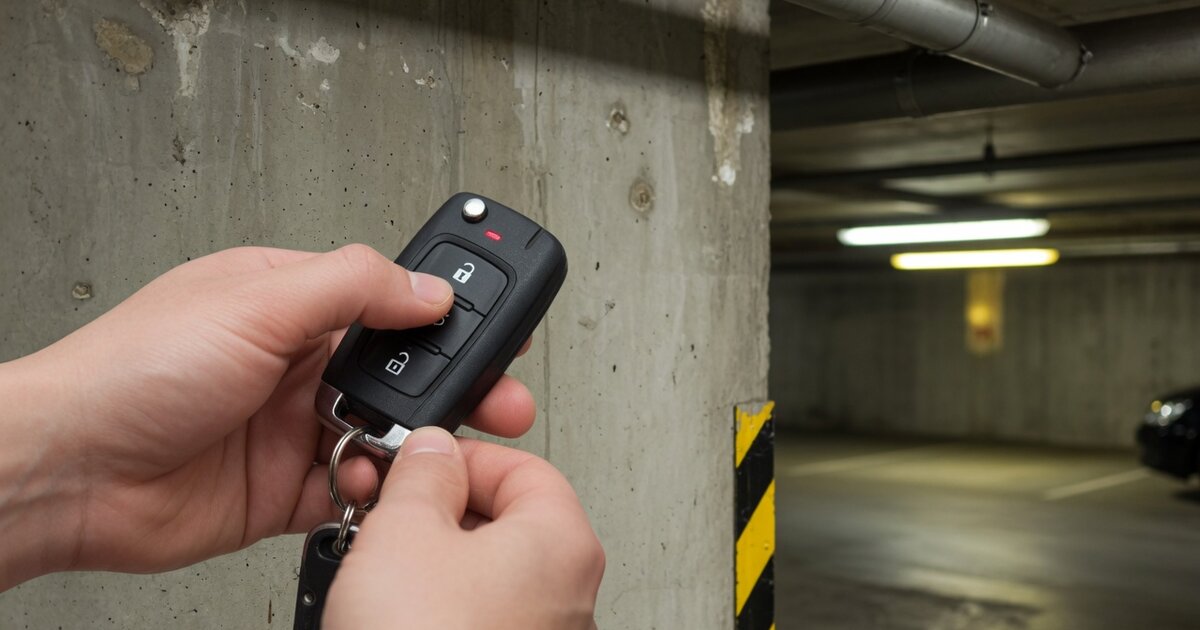
Why One Key-Fob Button Stops Working When the Others Still Work
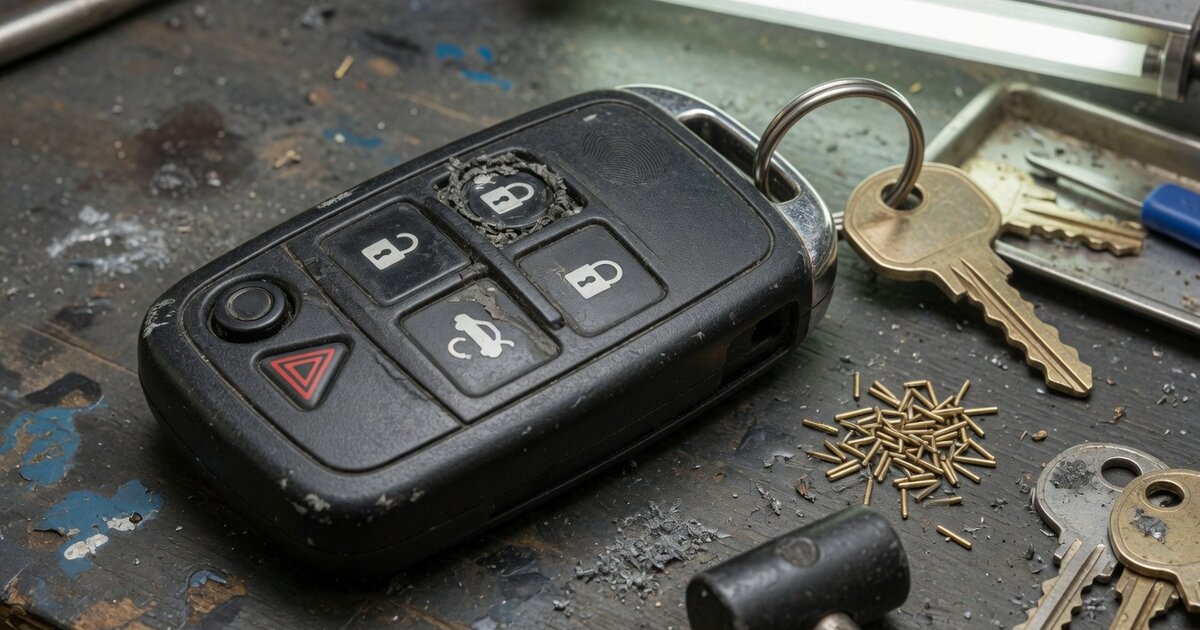
When one key-fob button fails but the others work, the transmitter and vehicle receiver may still be healthy. The usual fault is local to that button: a worn rubber pad, contaminated microswitch, cracked solder joint, or a vehicle-side function setting.
-
Do Faraday Pouches Prevent Keyless Relay Theft, and How Do You Test One?
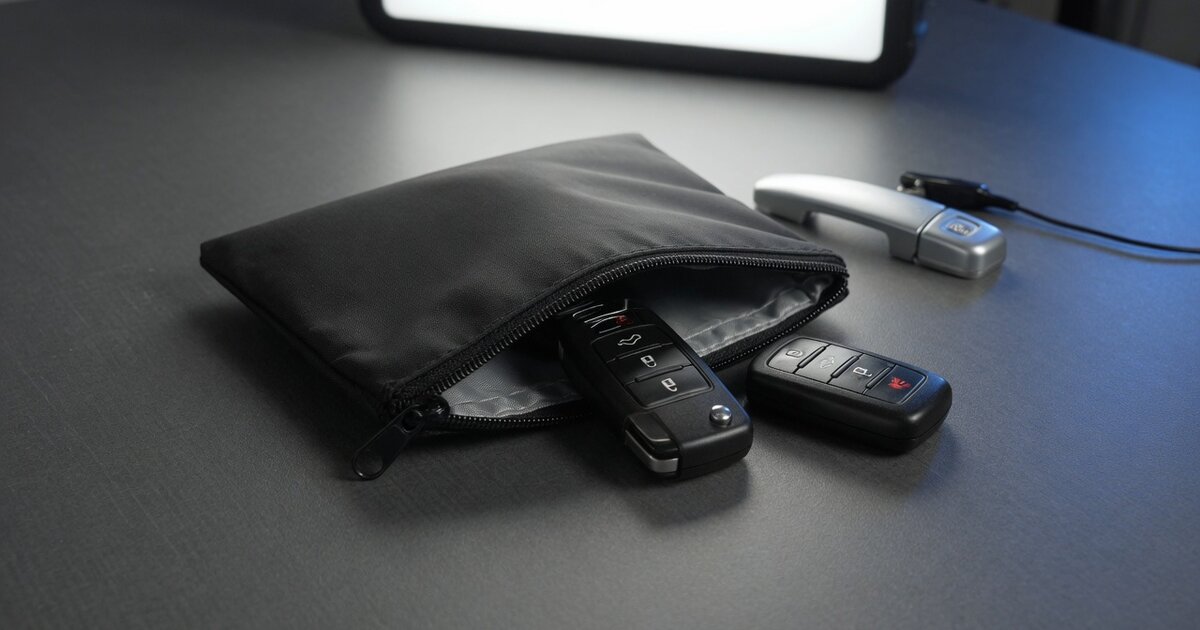
A Faraday pouch can block a keyless fob’s radio signal when the pouch is closed correctly and its conductive lining is intact. Test it with your own vehicle from outside the normal passive-entry range; a pouch that still permits unlocking is not providing isolation.
-
What to Do When a Car Key Fob Gets Wet or Goes Through the Wash
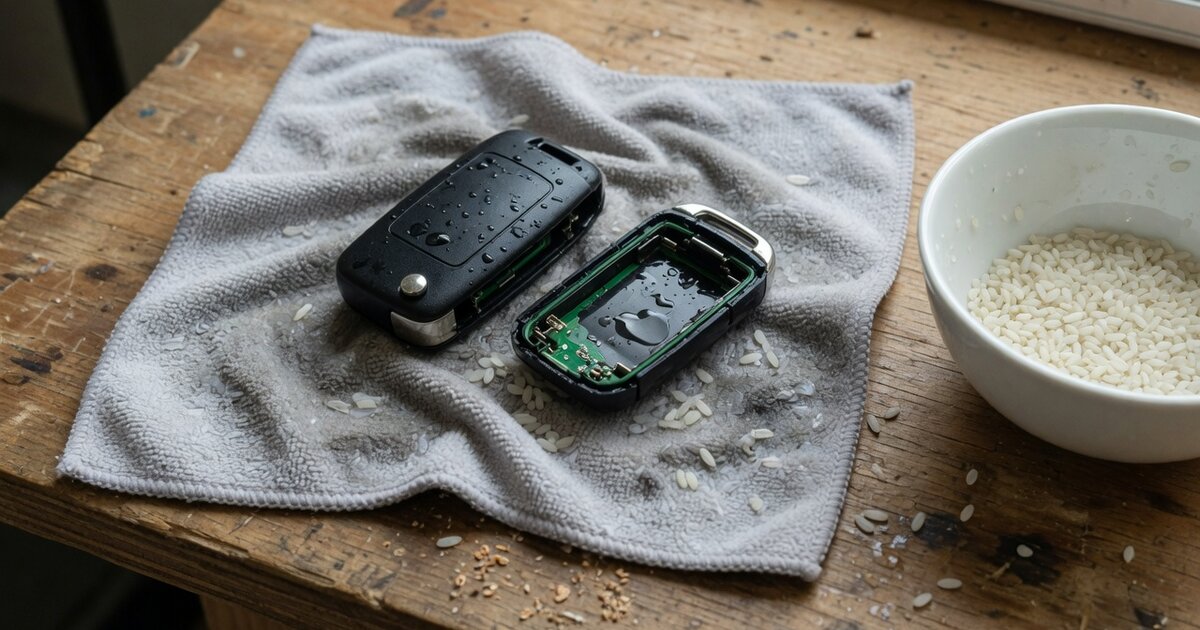
A wet key fob should be opened promptly, its battery removed, and its electronics dried without heat. Do not keep pressing buttons: trapped moisture can bridge contacts and begin corrosion even when the fob appears to work.
-
What to Check After Dropping a Key Fob: Cracked Board, Loose Battery Contacts, or Damaged Transponder
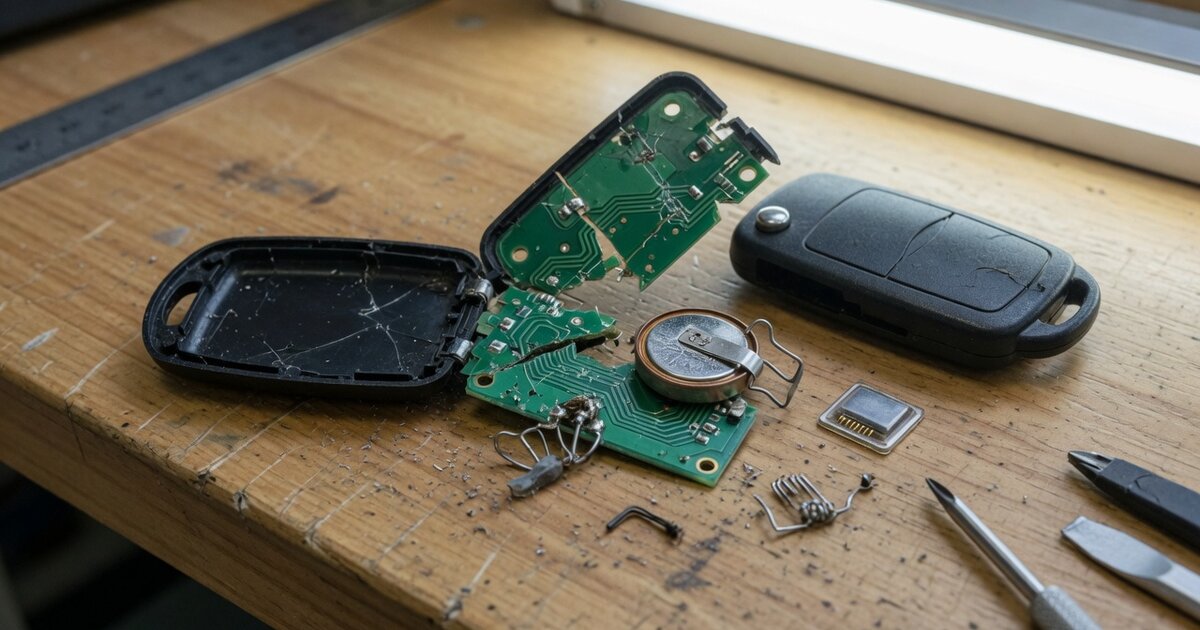
After dropping a key fob, first inspect the shell, battery seating, button feel, and whether locking and starting fail together or separately. Impact can loosen a battery contact, crack a solder joint, or dislodge a transponder even when the outside shows little damage.
-
Can You Move an Original Key-Fob Board and Transponder Into a New Shell Without Programming?
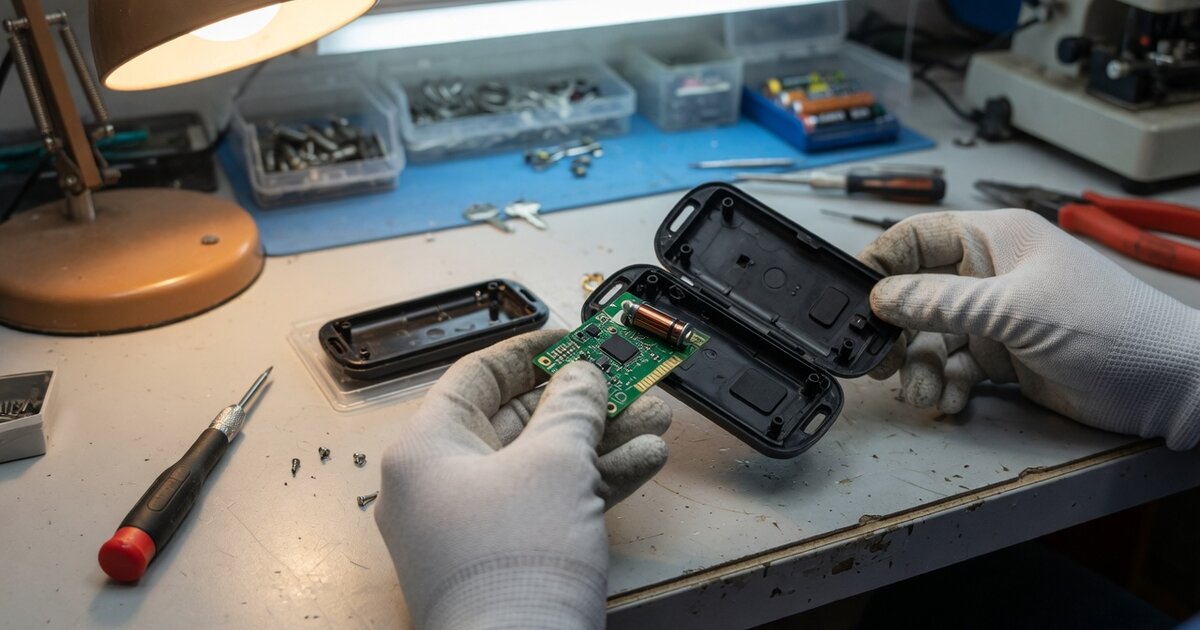
You can often move the original circuit board and transponder into a matching new shell without programming because the vehicle credential remains on the original electronics. The shell must match the blade, button layout, battery orientation, and transponder position exactly.
-
How to Test Whether a Key Fob Actually Transmits an RF Signal
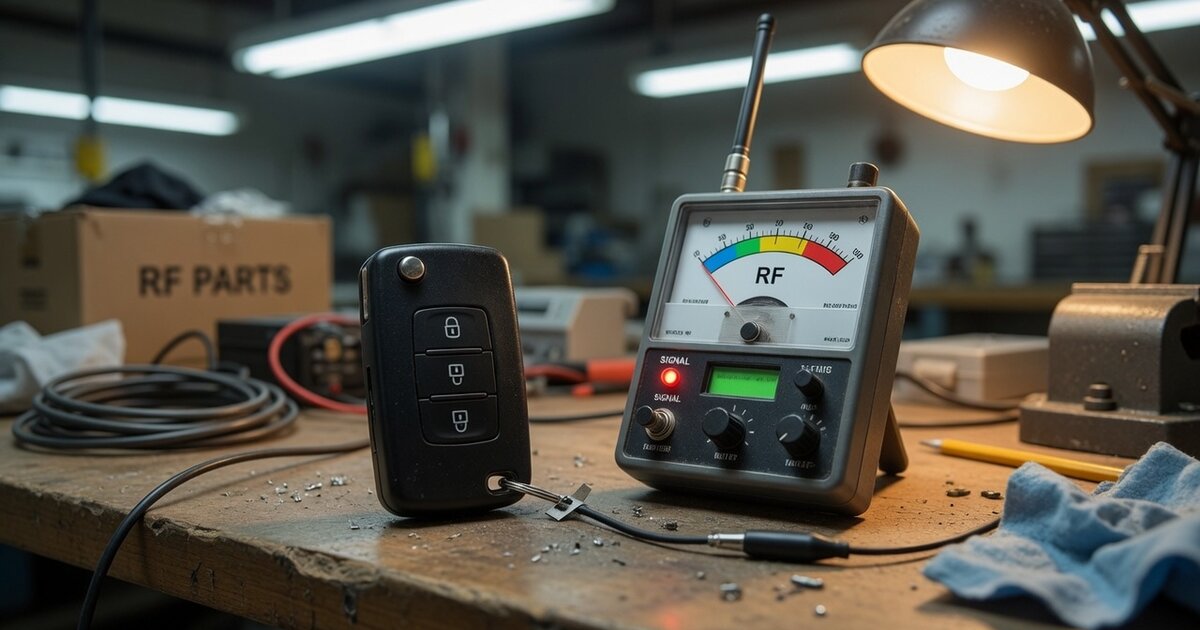
An LED on a key fob proves only that its local circuit receives some power; it does not prove that radio energy reaches the vehicle. A compatible RF tester can distinguish a transmitting fob from a receiver-side problem without changing vehicle programming.
-
Why a New Key-Fob Battery Dies in Weeks or Months
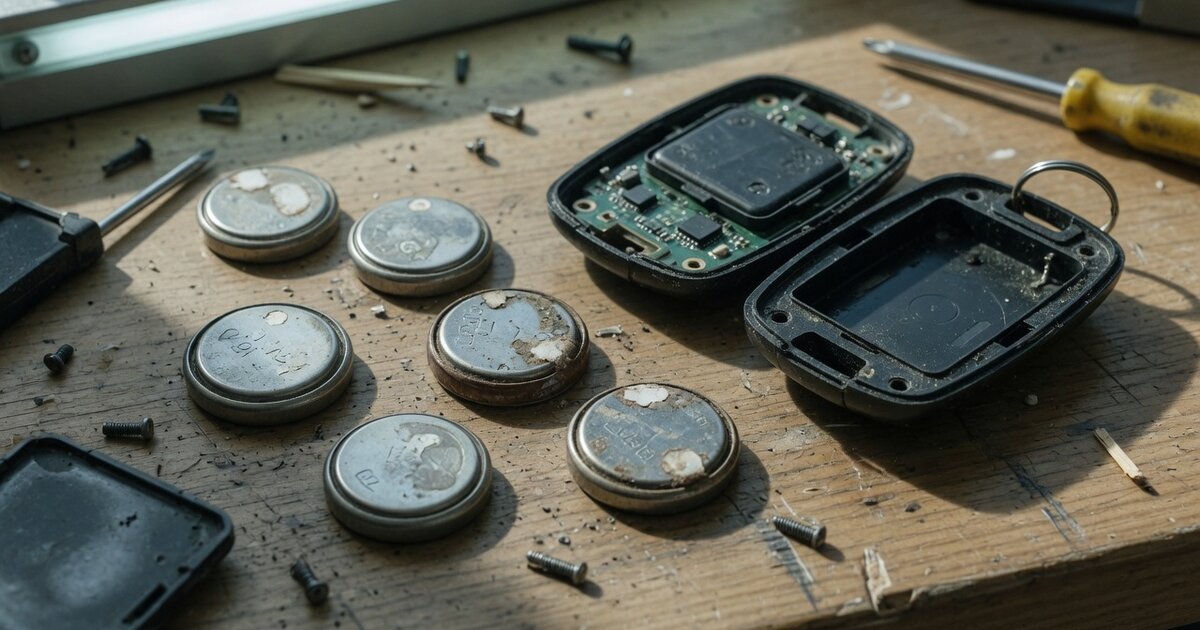
A new key-fob battery that dies in weeks or months usually points to a poor contact, a stuck button, moisture, or an abnormal current draw on the fob board. A healthy coin cell should not be diagnosed from its label alone; measure and compare the symptom.
-
Why Passive Entry Fails but Push-Button Start Still Works
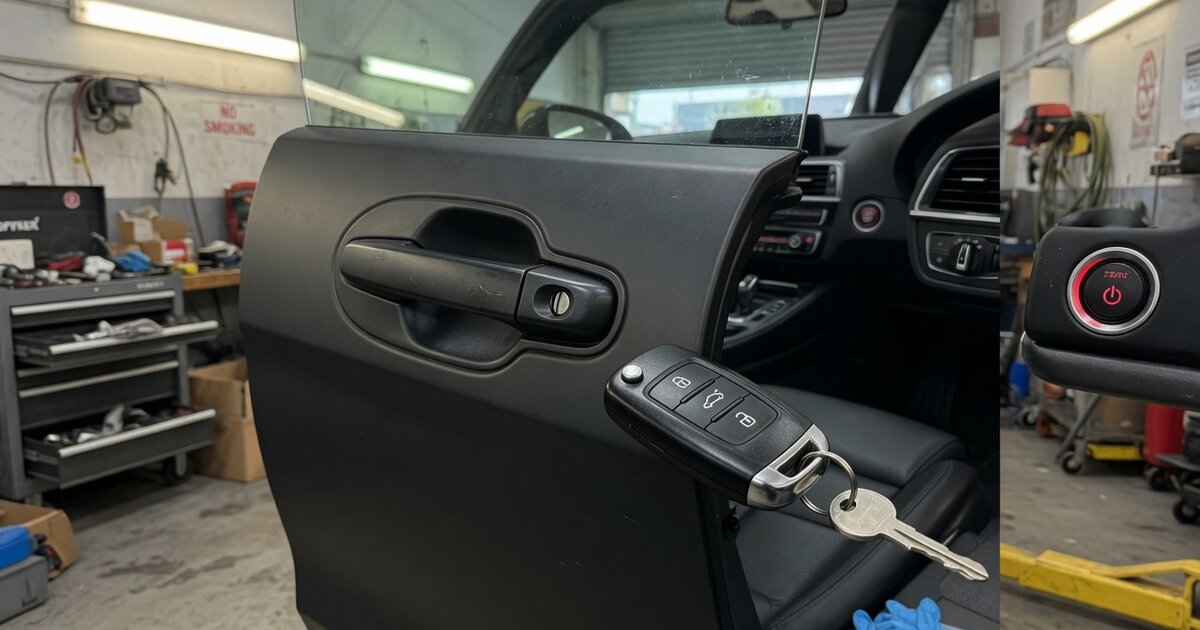
Passive entry can fail while push-button start still works because the car uses different antennas and request paths for door-handle detection and cabin authorization. Check settings, both handles, and location-specific behavior before treating the fob as failed.
-
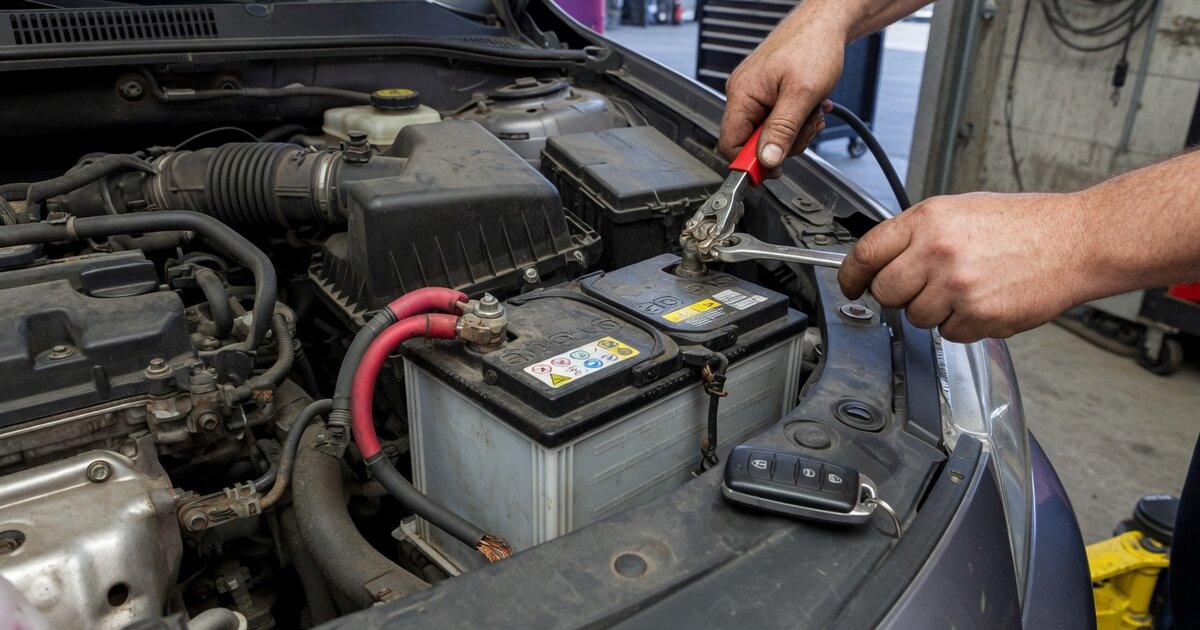
Why a Key Fob Stops Working After the Vehicle 12-Volt Battery Is Replaced or Disconnected
A key fob that stops working after a vehicle 12-volt battery change may be affected by vehicle settings, a receiver reset, a weak new vehicle battery, or a coincidental fob fault. Separate remote locking from immobilizer recognition before assuming the fob lost programming.
-
Why a Key Fob Works at Home but Fails in One Parking Lot or Near One Building
A key fob that works at home but fails in one parking lot is more likely to be meeting local radio interference or shielding than to have a permanent fob fault. Move the vehicle a short distance and compare both fobs before changing any parts.
-
Why a Key Is Not Recognized by the Immobilizer
An overview of the common reasons a key is not recognized by a vehicle's immobilizer system, and how to diagnose each cause systematically.
-
Reading Hyundai Immo Data via OBD Connection
A technical look at how Hyundai immobilizer data can be read through the OBD port, and what this reveals before programming begins.
-
Programming a Replacement Remote Without Dealer Access
A practical overview of programming a replacement remote independently, covering common approaches and when dealer-level access is genuinely needed.
-
Common Mercedes Immobilizer Fault Codes and Their Meaning
A practical guide to the most common Mercedes immobilizer fault codes locksmiths encounter and what each typically indicates.
-
Understanding Immobilizer Warning Light Patterns
An explanation of common immobilizer warning light patterns and what they typically indicate, helping technicians diagnose more efficiently.
-
Troubleshooting Failed Transponder Cloning
A diagnostic approach for figuring out why a transponder cloning attempt failed, and how to fix the underlying cause before retrying.
-
Troubleshooting No-Start After VW Key Programming
A diagnostic approach for resolving a no-start condition that appears after Volkswagen key programming, covering the most common causes.
-
Reading Data via OBD vs Bench: When to Choose Which
A practical framework for deciding between OBD-based and bench-level data reading approaches on a given key programming job.
-
Diagnosing a No-Start After Battery Replacement
A diagnostic approach for resolving a no-start condition that appears after a vehicle battery replacement, covering common immobilizer causes.
-
Reading Ford Immobilizer Data with VVDI2
How the VVDI2 approaches reading Ford immobilizer data, including its practical strengths and where its coverage ends.
-
Common Ford Key Programming Errors and Fixes
The most frequent errors locksmiths encounter when programming Ford keys, and the practical fixes for each situation.
-
Common Hyundai/Kia Key Programming Mistakes
The most frequent mistakes locksmiths make when programming Hyundai and Kia keys, and practical ways to avoid each one.
-
Troubleshooting Ford PATS Relearn Failures
A diagnostic approach to resolving PATS relearn failures on Ford vehicles, covering the most common causes and fixes.