Compustar Bypass Modules: How They Work and What to Check Before You Buy
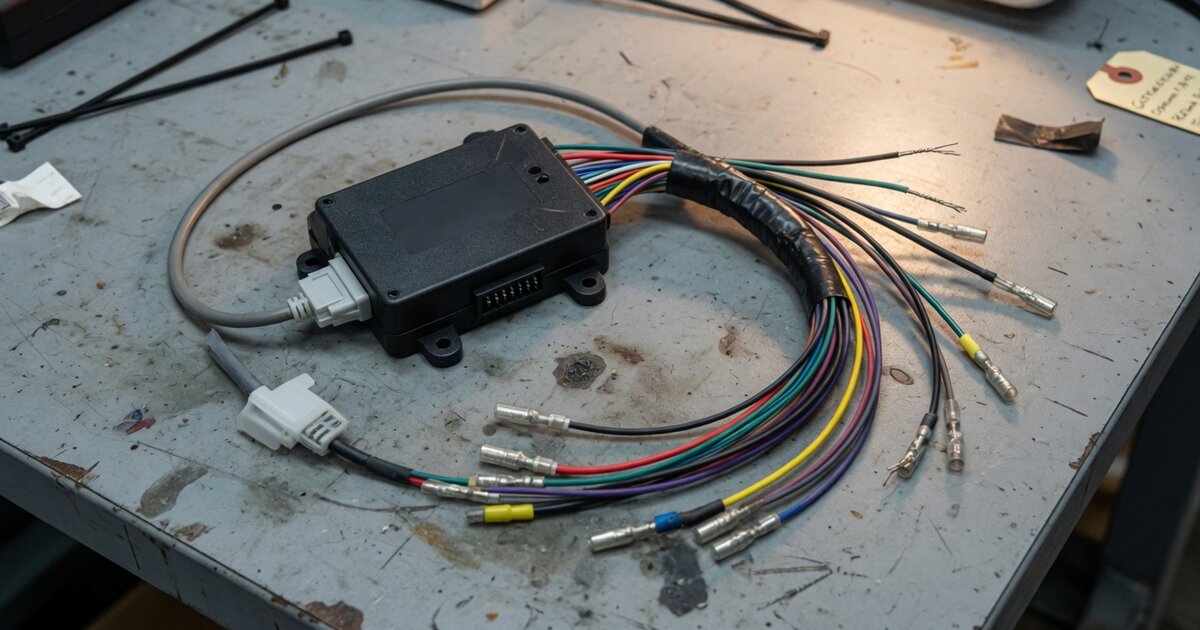
Installing a remote starter on almost any modern vehicle means satisfying the factory immobilizer first — the system that keeps an engine from cranking unless it detects a valid key or fob nearby. Compustar, the remote-start and vehicle security brand owned by Firstech, builds its bypass hardware on top of iDatalink, the vehicle-integration company (operating as Automotive Data Solutions Inc.) that Firstech dealers use to source and program compatible bypass modules. Several Compustar remote-start kits, including some of its DC3-series and CS/CSX bundles, list a bypass module as included in the box rather than requiring it to be sourced as a separate accessory. Our broader guide to bypass modules for remote starters covers how the category works across brands generally; this article goes deeper on how Compustar's own product line fits in, what it actually does, and what to check before you buy or install one.
How Compustar's bypass modules work
Functionally, a Compustar bypass module sits inline between the vehicle's factory wiring — often its OEM body-control or immobilizer module — and the remote-start brain. When the remote starter fires the engine without a key physically in the vehicle, the bypass module supplies the data the factory immobilizer is expecting to see, effectively standing in for the "key present" handshake so the ECU allows the engine to crank and keep running. Depending on the vehicle, the same module, or a companion module in the same product line, can also pass through door-lock, keyless-entry, and comfort functions such as power windows, so those features keep working normally once the remote starter is installed rather than being disrupted by the added hardware.
This is the same underlying principle used across the immobilizer-bypass category as a whole — for example, the Banvie immobilizer transponder bypass module captures a transponder's signal to satisfy an OEM chip-key system rather than defeating the immobilizer outright. Compustar's modules, built on iDatalink's bypass technology, apply the same logic, but the exact data format, connector, and firmware are matched to each vehicle's specific security architecture. That is why bypass modules in this category are sold and programmed per vehicle rather than as one universal part that fits every car on the road, and why Firstech dealers keep firmware updated through iDatalink's own programming tools rather than treating a module as a fixed, static part.
What to consider before buying
A few things are worth confirming before ordering a Compustar bypass module or a remote-start kit that bundles one:
- Exact fitment: year, make, model, and trim all matter, and so does whether the vehicle uses push-button start or a traditional key ignition — the wiring and immobilizer protocol can differ even within the same model generation.
- Whether it is already bundled: some Compustar remote-start kits ship with a bypass module included, so check the kit's parts list before assuming you need to buy one separately.
- Firmware currency: because coverage for new model years is added over time through iDatalink's programming tools, a module that is physically the right part can still need a firmware update before it will complete the handshake on a very recent vehicle.
- Installation complexity: bypass wiring typically means working directly with OEM harnesses or factory security modules, which is why most installers treat it as a professional job rather than a simple plug-in accessory.
- Brand compatibility: Fortin and DEI/Directed also sell bypass modules for the same purpose, but a module from one brand is generally not interchangeable with another brand's remote-start hardware, since each is paired with its own firmware and, in some cases, a different connection method entirely.
- Current coverage lists: aftermarket bypass coverage is added and occasionally dropped by vehicle generation, so it is worth confirming current compatibility rather than relying on an older listing or a general brand-name search result.
Common mistakes to avoid
- Assuming any bypass module works on any vehicle from the same manufacturer — immobilizer protocols vary by generation and often by trim, not just by make.
- Skipping a firmware check before installing on a recent model year, since a module can be the physically correct part but still need a software update to complete the immobilizer handshake.
- Mixing brand-specific hardware, such as pairing a bypass module or firmware from one ecosystem with a remote-start brain from another — this usually fails the handshake not because bypassing the vehicle is impossible, but because the parts were never meant to work together.
- Not identifying the OEM immobilizer system before starting the job. Different platforms use meaningfully different approaches; a vehicle-specific case like our 2006 Chrysler 300 SKIM service guide shows how much the correct procedure can vary by manufacturer and system type.
- Triggering the vehicle's own security lockout through repeated failed start attempts while testing, which on some platforms requires a waiting period or a dealer-level reset before the immobilizer responds normally again.
- Overlooking keyless-entry pass-through during testing, which can leave door locks or comfort features non-functional after the remote starter is wired in, even though the engine starts correctly.
Frequently asked questions
What does a Compustar bypass module actually do?
It supplies the data a vehicle's factory immobilizer expects to see before allowing the engine to start, so a Compustar remote-start system can crank and run the engine without a physical key in the cabin. It is not a way to defeat vehicle security in the ordinary sense — it is how the remote-start hardware becomes compatible with an OEM anti-theft system that was never designed with remote start in mind.
Do I need to buy a bypass module separately from my Compustar remote starter?
Not always. A number of Compustar remote-start kits already include a bypass module in the box. Whether a separate purchase is needed depends on the specific kit and the vehicle it is going into, so check the kit's included-components list or a vehicle-specific installation reference before assuming either way.
Can I use a Fortin or DEI bypass module with a Compustar remote starter?
Generally, no. Each brand's bypass modules are designed and firmware-matched to that brand's own remote-start hardware and programming ecosystem, so mixing brands typically will not complete the immobilizer handshake correctly, even if a connector happens to physically fit.
Can a Compustar bypass module be installed without a professional installer?
It is possible on some vehicles, but bypass work usually involves wiring directly into factory harnesses or security modules and, in many cases, programming through dealer-level tools. Most installers and the manufacturer recommend professional installation rather than a DIY approach, particularly on newer or push-button-start vehicles.
Why does the module need to match my exact vehicle year and trim, not just the model?
Automakers frequently change immobilizer protocols, wiring, and sometimes even ignition type within a single model's production run, occasionally mid-year. A bypass module built around one trim or model year's immobilizer logic may not recognize the handshake used by a different trim or a later year of the same car.
What happens if the bypass module does not match the vehicle's security system?
At best, the remote starter simply will not start the engine, because the factory immobilizer never receives the signal it is expecting. At worst, repeated failed attempts can trip the vehicle's own security lockout, which may require a waiting period or a dealer reset before the immobilizer will respond to normal key use again.