Immobilizer Bypass Explained for Automotive Technicians
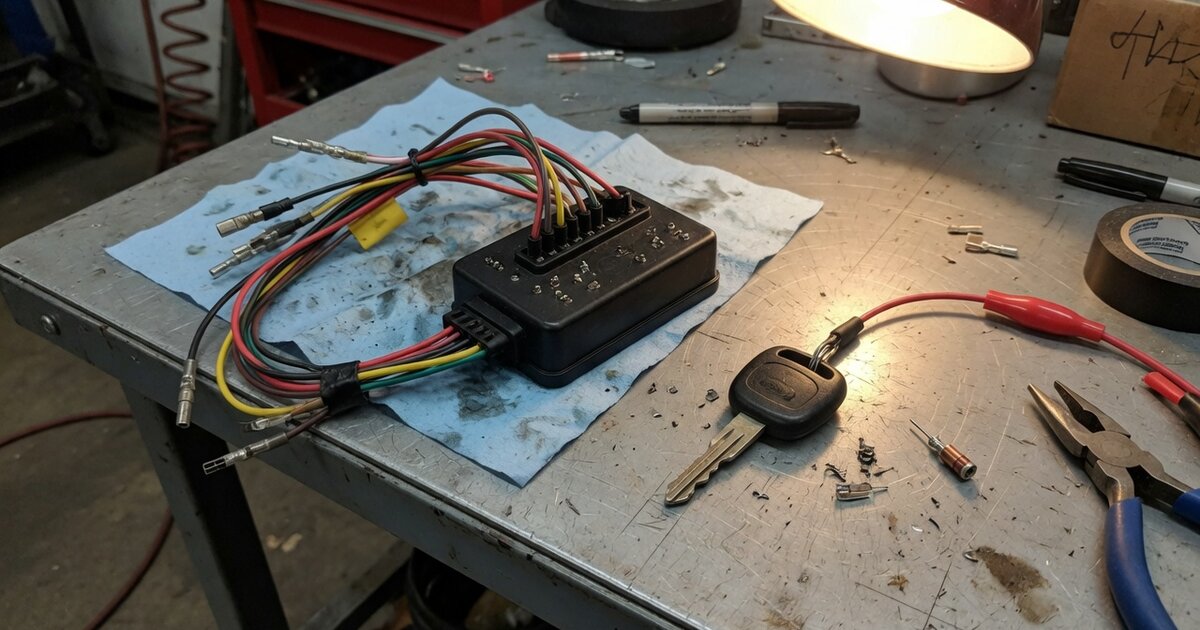
Search "immobilizer bypass" online and the results blend two very different worlds: legitimate diagnostic and locksmith terminology on one side, and vehicle-theft discussion threads on the other. For a working automotive locksmith or technician, though, the term has a specific, narrow meaning rooted in bench diagnostics, ECU testing, and controlled repair scenarios — not a shortcut for getting into or starting someone else's car without permission. Understanding that distinction matters both for doing the work correctly and for staying on the right side of the law.
What immobilizer bypass means in professional use
Modern immobilizer systems require a two-way handshake between a transponder chip in the key and the vehicle's ECU or body control module before the engine is allowed to start. That handshake is what stops a hot-wired car from running even if someone bypasses the ignition switch mechanically. In a professional shop context, "bypass" generally refers to a physical bypass module, resistor loop, or software emulator that satisfies the ECU's expectation of a valid immobilizer signal so the module can run outside its normal environment — for example, on a bench during flashing, during a remanufactured or salvaged ECU test, or temporarily during an engine or ECU swap where the donor components don't yet share a matched immobilizer pairing.
It's worth separating this from what most locksmiths actually do on the majority of jobs: key programming. When a customer loses all their keys, the typical fix isn't bypassing the immobilizer at all — it's programming a new, legitimate transponder key so the existing immobilizer system recognizes it and functions normally afterward. That work is done with professional diagnostic and programming platforms built for this purpose, and it's the same fundamental process dealerships use, just performed mobile or in an independent shop. True bypass — defeating or spoofing the immobilizer signal rather than registering a new authorized key — is a smaller, more specialized slice of the work, mostly confined to bench and workshop scenarios rather than roadside key replacement.
Underneath both processes sits the EEPROM, the small memory chip that stores the vehicle's key and security data. Locksmiths and technicians sometimes need to read or write that chip directly rather than working through the vehicle's normal diagnostic port, particularly on older platforms or when a module has been damaged or replaced. Because EEPROM and immobilizer data are unique to that specific vehicle and, in many cases, unrecoverable if overwritten incorrectly, most experienced technicians treat a verified immobilizer-data backup before writing anything as a non-negotiable first step, not an optional precaution. The immobilizer function itself is also rarely isolated — it's usually one strand of a broader coding relationship between the ECU, body control module, and instrument cluster, a relationship covered in more depth in our guide to ECU coding explained: what it means and when you need it.
Legal and ethical considerations
Immobilizer and key-security work sits in a genuinely regulated corner of the automotive repair industry, and that's by design. In the US, most manufacturers require technicians and locksmiths to hold Vehicle Security Professional credentials, administered through the National Automotive Service Task Force, before granting access to key codes, immobilizer resets, or other security-gated data. Many states, counties, and cities also require a separate locksmith license for individuals performing this kind of work, on top of any manufacturer-level credentialing. These requirements exist specifically because immobilizer and key data are theft-relevant information, and the industry has built a credentialing chain to keep that access tied to accountable, verifiable professionals rather than anonymous tool ownership.
On top of credentialing, reputable shops require proof of ownership — registration, title, or equivalent documentation — before doing any immobilizer, key programming, or bypass work on a vehicle, and they keep records of that verification. This isn't bureaucratic overcaution; it's the line between a legitimate all-keys-lost job and facilitating a theft, and it's what protects both the technician and the customer if a vehicle's history is ever questioned later. Ethically, the same logic applies even in gray areas like helping a family member, buying a project car with only one key, or working on a fleet vehicle: get the documentation first, not after. Using bypass knowledge or tools to start, move, or gain entry to a vehicle without the owner's clear authorization is unauthorized access or theft in essentially every jurisdiction, regardless of how the tool itself is marketed or what a forum post claims about its intended use.
Common mistakes to avoid
A few recurring errors show up whenever bypass, EEPROM, or immobilizer work goes wrong in the field. Skipping the data backup before writing to an EEPROM or immobilizer module is the most costly, because a failed or incorrect write can leave the data unrecoverable and force a dealer reset or replacement part the job never should have needed. Assuming a bypass module or emulator is "universal" is another common trap — immobilizer protocols differ significantly by manufacturer, and even the underlying chip families used to store security data vary across brands, so hardware or firmware built for one platform typically won't work correctly on another without vehicle-specific support.
Technicians also sometimes treat a bench or diagnostic bypass as a permanent fix rather than a temporary state, reinstalling a component into a live vehicle without properly re-establishing the full immobilizer relationship afterward — which can leave a car that starts today but throws intermittent no-start or theft-alarm faults later. Skipping ownership verification or manufacturer/NASTF credentialing to save time, or sourcing bypass hardware and software from unverified gray-market sellers instead of established, traceable suppliers, both carry real legal and reputational risk on top of the technical one. Finally, it's easy to forget that other modules — the body control module, instrument cluster, or gateway module — may still reference the original immobilizer data after a swap or bypass procedure, so a job that looks finished at the bench can still fail once everything is reassembled unless that broader coding relationship is checked too.
Frequently asked questions
Is immobilizer bypass legal?
It depends entirely on context and authorization, not on the tool itself. Bench or diagnostic bypass performed by a professional on a vehicle they own, are contracted to service with documented owner authorization, or are testing in a controlled shop environment — such as ECU flashing or an engine swap — is standard, legal industry practice. Using the same knowledge or tools to start, drive, or enter a vehicle without the owner's consent is theft or unauthorized access in virtually every jurisdiction.
What's the difference between immobilizer bypass and key programming?
Key programming registers a new, legitimate transponder key into a vehicle's existing immobilizer system so the car recognizes it and runs normally afterward — this is what most all-keys-lost jobs actually involve. Bypass, by contrast, temporarily satisfies or defeats the immobilizer's expected signal, usually for bench testing, ECU flashing, or engine swaps, and isn't meant to be a vehicle's permanent security state.
Do I need special credentials to do immobilizer work professionally?
In most cases, yes. In the US, NASTF administers Vehicle Security Professional credentials that most manufacturers require before granting access to key codes, immobilizer resets, and other security-gated data, and many states and municipalities separately require a locksmith license. Requirements and licensing bodies vary by country, so it's worth checking local regulations directly rather than assuming a tool purchase alone confers legal authority to do the work.
Can any bypass module or emulator work on any car?
No. Immobilizer protocols are manufacturer- and often model/year-specific, with different makes relying on different security chip families and communication schemes. A module or emulator built and validated for one platform generally won't function correctly on another without vehicle-specific firmware or support, which is why professional toolkits are sold and updated per make rather than marketed as one-size-fits-all.
What should I back up before doing immobilizer or ECU work?
Before writing anything to an immobilizer or ECU's EEPROM, pull and securely store a verified read of the original data. If a rewrite fails, is interrupted, or the wrong data gets written, that backup is often the only practical way to restore the module without a costly replacement part or a dealer-level reset.
Why would a shop bypass the immobilizer during a routine repair?
It's rarely because the immobilizer itself is the target of the job. It typically happens when an ECU is on the bench for flashing or remanufacturing, when a used or remanufactured ECU needs to be tested before installation, or when a donor engine and ECU combination has to run temporarily during a swap before a proper, permanent immobilizer relationship can be re-established on the vehicle.