Transponder Key Programming Near Me: How to Find and Choose a Provider
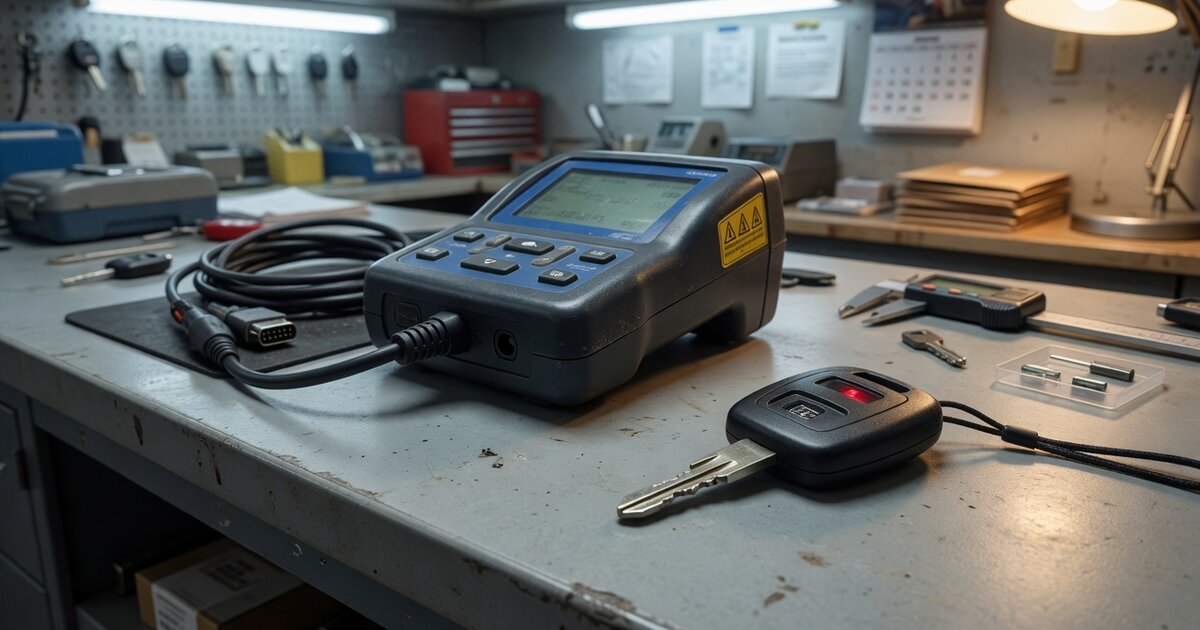
Typing "transponder key programming near me" into a search bar usually means one of two things: a key stopped working, or a spare needs to be added before the original goes missing for good. Either way, the question that matters is not just who is close by, but who actually has the equipment, credentials, and track record to do the job correctly the first time. Transponder programming touches a vehicle's immobilizer system directly, and a rushed or botched attempt can leave a car undriveable or, in rare cases, damage the onboard module. This guide walks through who realistically offers this service, what separates a competent provider from a risky one, and the mistakes that trip up drivers who are dealing with a locked-out car and want it fixed fast.
Who offers transponder key programming
Three broad categories of businesses handle transponder key work: dealership service departments, independent or mobile automotive locksmiths, and, less commonly, auto parts or key-cutting counters that have added programming equipment. Dealerships have manufacturer-specific tools and direct access to a vehicle's factory codes, which makes them the default choice for newer or unusually restricted models, but they typically run on standard shop scheduling and, in an all-keys-lost situation, may need the car towed in rather than serviced on the spot. Independent automotive locksmiths are the more common answer to a "near me" search, and for good reason: many carry the same class of diagnostic and programming tools that dealers use, connecting through the vehicle's OBD-II port to read and write the immobilizer data needed to enroll a new key. A mobile locksmith can often unlock the vehicle, cut a physical key blade, program the transponder chip, and drive off the same visit, without a tow. Coverage varies by make and age of vehicle, though — some newer platforms have added security gateways or restrictions that only a small subset of shops are equipped to handle, so it is worth confirming your specific make and model before assuming any listed provider can do the job. A smaller number of auto parts stores and key-cutting kiosks also offer basic transponder programming for common models, generally at the lower end of the price range, though their equipment and vehicle coverage tend to be more limited than a dedicated locksmith's.
What to look for and expect
Before booking anyone, confirm they are licensed and insured for automotive locksmith work — this matters because a technician is working on a vehicle's electronics and, in some states, licensing is a legal requirement, not just a nicety. A legitimate provider will have a real business name, a listed phone number, and ideally a physical address you could visit, rather than operating solely out of an unmarked vehicle. Ask directly whether they carry the equipment for your specific make, model, and year, since coverage genuinely varies, and ask for a firm price range over the phone before the technician arrives, including whether that price changes for an all-keys-lost job versus adding a spare to an existing key. Reviews are worth checking, but read a handful rather than trusting the star average alone — look specifically for mentions of the type of vehicle involved and whether the quoted price held. Expect to provide proof that you own or are authorized to have keys made for the vehicle: your vehicle registration or title along with a matching photo ID, and the VIN. Reputable locksmiths ask for this as standard practice, precisely because transponder programming is the kind of service that could otherwise be misused. Bring all the keys you currently have, even ones that stopped working, since the technician may need them to confirm the vehicle's key count or to erase lost keys from the system securely. Depending on how the technician works, they may use the OBD-II port for standard programming, or, on vehicles where all keys are lost and no working key is available to trigger normal programming mode, a more advanced method that reads and writes to the immobilizer module directly — a slower and more delicate process that a good technician will explain rather than rush through.
Common mistakes to avoid
The most common costly mistake is accepting an unusually low phone quote without pinning down what it actually covers. A price that sounds too good compared to others in your area is a known bait-and-switch pattern in the locksmith industry: the technician arrives, declares the job "more complicated than expected," and the bill climbs well past the original number. Get the estimate in writing or repeated back clearly before any work starts, and ask what would change the price — for example, an all-keys-lost job versus programming a spare, or a vehicle with a security gateway module, are legitimate reasons a quote might differ, but they should be disclosed upfront, not sprung on you afterward. Another frequent misstep is assuming a working transponder from an old key can simply be dropped into a new shell to save money. That works for the physical fob housing in some cases, but it is not the same thing as programming — the electronics still need to be recognized by the vehicle's system, and whether a board can move without re-pairing depends on the specific setup, something covered in more detail in this explanation of moving a key-fob board into a new shell. It is also worth not confusing a basic transponder chip key with a proximity or "smart" key system; the two use different technology and are programmed differently, and a shop quoting for one may not automatically cover the other — see how proximity key systems work for the distinction. Finally, avoid paying in cash only or agreeing to work before seeing any identification or company information from the technician — a legitimate business has no reason to insist on cash-only payment for a routine job.
Frequently asked questions
Can any locksmith program a transponder key, or does it have to be the dealer?
In most cases a properly equipped automotive locksmith can program a transponder key, since many use diagnostic tools comparable to what dealerships rely on. There are exceptions on certain newer vehicles or models with added security restrictions, where only the dealer or a locksmith with specific manufacturer-level equipment can complete the job, so it is worth asking upfront whether your specific make and model is covered.
How long does transponder key programming usually take?
A straightforward job programming an additional key to a vehicle that still has a working key is typically quick, often well under an hour once the technician arrives. An all-keys-lost situation takes longer because the immobilizer system needs to be cleared and new keys enrolled from scratch, and on some vehicles the process itself includes built-in waiting periods as a security measure.
Do I need to bring the car to a shop, or can it be done on-site?
Many independent and mobile locksmiths can come to your location and program the key on-site using portable OBD-II equipment, which avoids towing. Dealership service departments, by contrast, more often require the vehicle to be brought in, and in an all-keys-lost scenario that can mean a tow if the car cannot be driven.
What documents or information will I need to provide?
Expect to show proof that you own or are authorized to get keys made for the vehicle — typically the registration or title plus a matching photo ID — along with the VIN. This is a standard security step for legitimate providers, not an unusual request, and having it ready in advance speeds up the appointment.
Why do price quotes vary so much between providers?
Pricing depends on the vehicle's make and age, whether it is a spare key or an all-keys-lost job, and whether the technician needs a basic OBD-II programming session or a more involved procedure for a restricted security system. Get a specific quote for your situation rather than comparing a generic advertised rate, and be cautious of any quote that seems dramatically lower than others without explanation.
Is it safe to program a transponder key myself with a cheap programming tool?
Consumer-grade programming tools exist for some models, but this is not a universal DIY task — vehicle coverage is inconsistent, mistakes can potentially affect the immobilizer module, and the security verification steps that a legitimate provider performs are there for a reason. For anyone unfamiliar with their vehicle's specific immobilizer system, a qualified locksmith or dealer remains the more reliable route.