Bypass Modules for Remote Starters: How They Work and How to Choose One
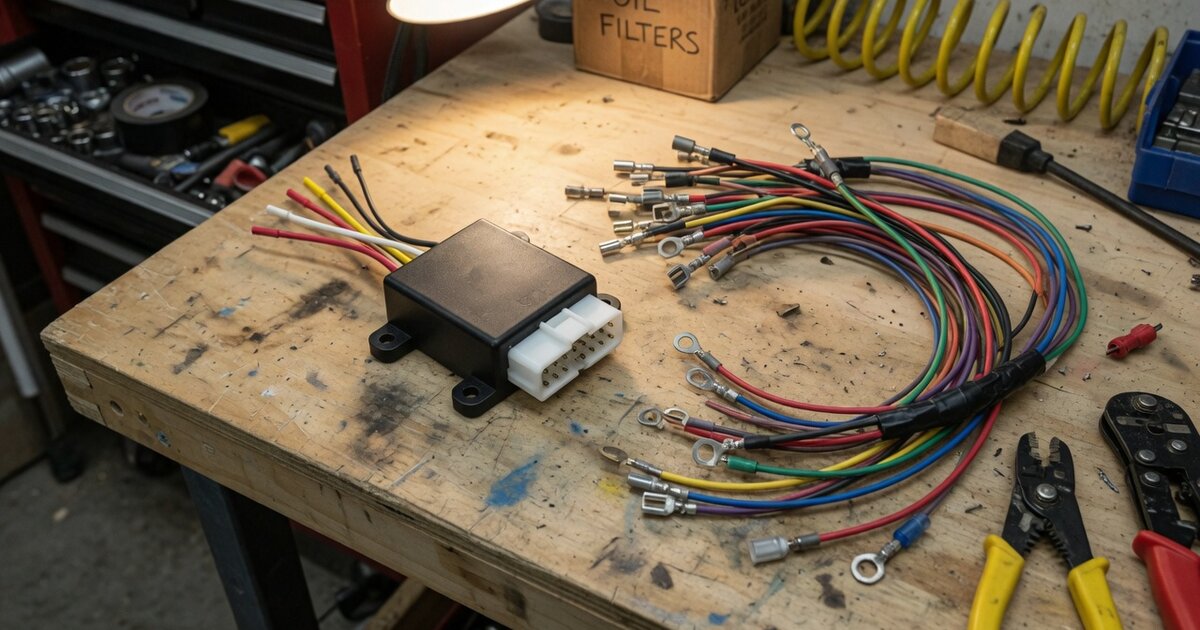
Almost every vehicle built since the late 1990s ships with a factory immobilizer: a security system that checks for a transponder chip in the key before it will let the engine run. That's great for theft prevention, but it creates a real problem for remote starters. When a remote start system fires the ignition from a key fob or app, there's no physical key anywhere near the ignition cylinder — so the immobilizer sees an unauthorized start attempt and shuts the engine right back down a few seconds later. A bypass module is the piece of hardware that solves this. It's worth noting up front that this is a different use case from the diagnostic and security-focused immobilizer bypass work technicians do for troubleshooting or ECU replacement — here the goal is simply to let a factory-security-equipped car start remotely without ever compromising that security for everyday driving.
How remote-starter bypass modules work
Whatever the vehicle, the underlying problem is the same: the immobilizer (known by various names depending on the manufacturer, such as VATS, PATS or PassKey) will only allow fuel and ignition systems to activate once it has confirmed a valid transponder signal, and that confirmation loop usually runs through the vehicle's central computer alongside modules like the powertrain control module. Bypass modules satisfy that check in one of two ways.
The older and still-common method uses a duplicate transponder key physically wired into the module itself. The installer obtains a second working key for the vehicle, removes the plastic housing to expose the transponder chip, and solders or clips that chip into the bypass module. A loop antenna ring is then installed around the ignition cylinder. When the remote starter fires, the module transmits the spare chip's signal through that loop exactly as if the real key were sitting in the ignition, and the immobilizer accepts it as valid. This approach is largely universal — it doesn't need to "speak" any particular vehicle protocol, since it's just replaying a real, factory-recognized signal — but it does require sacrificing a spare key and adds a physical antenna ring during installation.
The newer, more common approach on modern vehicles is a data or OEM bypass module that connects directly into the car's data bus — typically CAN, sometimes LIN or a proprietary network — rather than duplicating a physical key at all. Modules like the Fortin EVO-ALL tap into the CAN bus and exchange digital messages with the factory immobilizer and body control systems, effectively telling the vehicle's computer that a legitimate start request is underway. Because the module is reading and writing real vehicle data, it can also report door, ignition and security status back to the remote start or security controller, and in many cases control door locks and other convenience functions through the same connection — something a simple transponder-in-a-box can't do. The tradeoff is that these modules require vehicle-specific firmware, loaded through a USB or web-based programming tool, and only work on the makes and model years the manufacturer has released firmware for.
Choosing and installing one
The market is dominated by a handful of brands that installers rely on. Directed Electronics (DEI) has long sold bypass modules such as the DBALL2 line that pair with its Viper, Python and Avital remote start products. Fortin Electronic Systems makes the EVO-ALL and related EVO-series modules, which are widely used as universal, web-programmable interfaces across a large range of makes. iDatalink, now under the Compustar/Firstech umbrella, produces the ADS and Maestro series of bypass and data interfaces, which connect to compatible controllers over a dedicated data-link port and are programmed for tens of thousands of vehicle configurations through their Weblink or USB tools. Each of these ecosystems ties its bypass modules to its own remote-start and security controllers, so the starting point for choosing a module isn't just the vehicle — it's also which remote starter or security system it needs to talk to.
From there, match the module to the exact year, make, model and trim, since immobilizer protocols vary even within the same model generation, and confirm whether the remote starter uses a data-link connection or a traditional wire-to-wire harness, since the correct module (or firmware selection within a universal module) differs accordingly. Installation itself typically involves removing the steering column shroud, locating and safely accessing the body control module or ignition harness, and then programming the bypass module with the vehicle-specific firmware before testing. Because this touches factory wiring, security systems, and sometimes airbag-adjacent steering column components, professional installation is strongly recommended for most drivers. Installers or confident DIYers who want to take this on should make sure they have the right basics on hand first — a guide like building a starter automotive kit covers the general tools worth having before working inside a dashboard or steering column.
Common mistakes to avoid
A large share of remote-start comebacks trace back to a short list of installation errors rather than a defective module. Insufficient or unstable 12V power to the bypass module — often from skipping or mis-wiring the data-to-data harness — is a frequent cause of modules that work initially and then fail weeks or months later. Reversed or swapped bypass-line wires commonly trigger "bypass data not detected" errors during setup, and connectors at the body control module that aren't fully reseated after the dash is put back together can cause intermittent no-starts or warning lights that have nothing to do with the module itself. Loading the wrong firmware for the vehicle's specific trim or model year will typically fail initialization outright, often signaled by an alternating red-and-green LED on the module, and requires a reset and reprogram rather than troubleshooting the wiring. It's also worth checking for a firmware update before starting a job, since bypass module manufacturers release corrections for individual vehicles on an ongoing basis. Finally, always verify that the original factory key still starts the vehicle normally after installation — a bypass module that's working correctly should add remote-start capability without touching the car's normal key-in-ignition security at all.
Frequently asked questions
Does every remote starter installation need a bypass module?
Any vehicle with a factory immobilizer or transponder key system needs some form of bypass to remote start, which covers the vast majority of vehicles built from the late 1990s onward. A small number of older vehicles without an immobilizer, or remote-start-ready vehicles where the factory system already includes the needed logic, can sometimes skip a separate bypass module.
What's the real difference between the spare-key method and a data bypass module?
The spare-key method physically houses a duplicate transponder chip inside the module and replays its signal through an antenna loop, so it doesn't need to understand the vehicle's onboard network at all. A data bypass module instead communicates digitally over the vehicle's data bus with the factory immobilizer, which requires vehicle-specific firmware but also typically enables extra features like door lock control and richer status feedback.
Can a bypass module be installed without professional help?
It's technically possible for an experienced DIYer with the right tools and patience, but the work involves disassembling the steering column, locating the correct wiring or data-bus connections, and correctly programming vehicle-specific firmware — mistakes here can cause no-start conditions or damage to factory modules, which is why most installers recommend professional installation for anyone without hands-on experience.
Does a bypass module weaken the vehicle's factory security?
No — a properly installed and programmed bypass module is designed to work within the factory security system rather than defeating it. The vehicle still requires the physical key to be present to drive away; the module only authorizes the engine to run during a remote-start cycle, and reputable systems still require doors to be locked and other safety conditions met before allowing remote start.
Why would a remote starter stop working after unrelated engine work?
Any procedure that resets or reprograms the vehicle's onboard computers — including work on the powertrain control module — can change how the immobilizer responds to the bypass module's signal, which sometimes requires the bypass module to be reprogrammed or relearned afterward even though nothing about the remote-start wiring itself changed.
Are bypass modules vehicle-specific or universal?
Both exist. Transponder-duplication modules are largely universal hardware since they just replay a real key's signal, while CAN-bus data bypass modules are universal hardware platforms that require vehicle-specific firmware, loaded through a programming tool, to actually work correctly on a given make, model and year.