Do Transponder Keys Need to Be Programmed?
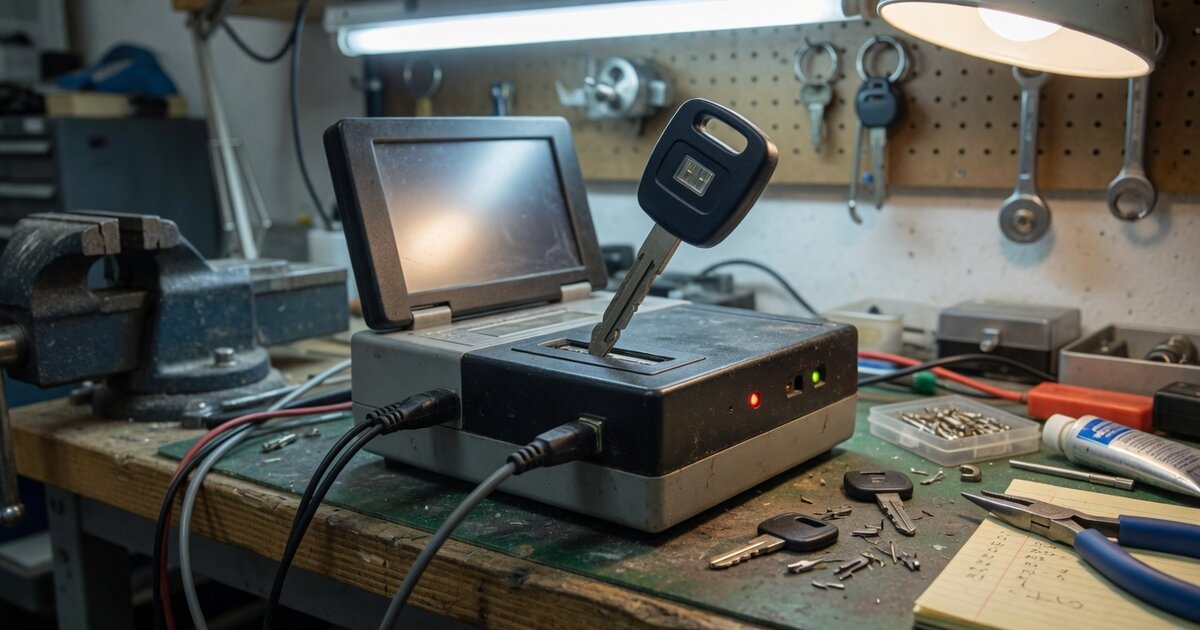
If you've ever had a car key cut at a hardware store kiosk only to find the engine won't start, you've run into the single most common point of confusion in the key-replacement world: cutting a key and programming a key are two completely different jobs. "Do transponder keys need to be programmed?" is one of the most-asked questions from drivers trying to get a spare made, and the honest answer isn't as simple as a flat yes for every situation — though for the vast majority of modern vehicles, it is.
The short answer
Yes. In almost every case, a transponder key needs to be programmed — meaning its embedded microchip must be electronically paired to your specific vehicle's immobilizer system — before the car will start. Cutting the metal blade so it turns the lock and starts the ignition cylinder is a purely mechanical step. It has nothing to do with whether the engine's computer will recognize the key and allow fuel and spark to fire. Without that electronic pairing, the key will turn in the ignition, but the car will crank or simply refuse to start, often accompanied by a flashing security or immobilizer light on the dash. If you're not yet clear on what makes a transponder key different from a plain metal key in the first place, it helps to start with what a transponder key actually is and how it works before troubleshooting a programming issue.
Why programming is necessary
Modern vehicle immobilizer systems exist specifically to stop a car from being hot-wired or started with a duplicated blank key. Every transponder key contains a small chip that, when it comes near the ignition or is inserted into the lock, is energized by a weak electromagnetic field from an antenna ring around the ignition barrel. That chip then broadcasts a unique digital code back to the vehicle's engine control unit (ECU) or body control module. The ECU compares the incoming code against a list of codes it has stored as "authorized." If the code matches, the system enables the fuel injectors and ignition sequence and the engine starts normally. If the code doesn't match — because the key was never introduced to that particular vehicle's system — the ECU deliberately withholds fuel and spark, and the car will not run no matter how well the physical key was cut.
This is exactly why a spare key can't simply be cut and handed over the same way a house key can. The chip inside a fresh, uncut transponder key blank is essentially blank data as far as your car is concerned; it has never been introduced to your immobilizer, so your ECU has no record of it. Programming is the process — done through the vehicle's diagnostic port with specialized software, through an existing working key using a manufacturer-specific on-board learning sequence, or at a dealership using factory tools — that writes that new key's code into the car's authorized list. Only after that pairing happens does the immobilizer treat the new key as legitimate. Some older vehicles used simple fixed-code transponders that could occasionally be cloned onto a compatible blank, copying the chip's identity rather than teaching the car a new one. Most vehicles built in the last fifteen to twenty years use rolling or encrypted codes that make cloning impractical, so formal programming through the immobilizer system is the standard path.
It's also worth separating two systems that often get lumped together: the transponder chip that talks to the immobilizer, and the remote fob buttons that lock and unlock the doors. These can sometimes be programmed independently of one another, and in some repair scenarios a working fob's internal board and chip are transplanted into a new shell rather than reprogrammed from scratch — a process covered in more detail in the guide on moving an original key-fob board and transponder into a new shell without reprogramming. That distinction matters because a shell swap can sometimes avoid a full programming session, while a brand-new chip almost never can.
Common mistakes to avoid
- Assuming a cut key will start the car. A locksmith or hardware store key kiosk that only cuts the blade has done half the job. Unless that shop also has automotive programming equipment, the key will fit the lock and even turn the ignition cylinder, but the engine will not start.
- Not checking whether the outlet actually programs keys. Not every place that copies keys is equipped to handle transponder programming, since it requires vehicle-specific software and, for many models, access through the OBD-II diagnostic port. Before choosing where to go, it's worth reading up on where to get car keys copied at a hardware store, locksmith, or dealer so you know which option actually matches your vehicle's needs.
- Losing all keys before calling for help. If every working key for a vehicle is lost or stolen, there's no longer an existing paired key to use for an on-board learning procedure, and the job typically becomes a more involved "all keys lost" situation requiring direct access to the immobilizer module.
- Buying an aftermarket chip that isn't the correct type. Transponder chips come in multiple families and frequencies, and an incompatible chip may never successfully pair with the vehicle's system no matter how the programming attempt is run.
- Assuming programming is a quick, universal five-minute job. Programming time and procedure vary significantly by manufacturer, model year, and security system generation — some vehicles allow fast self-programming with existing keys, while others require dealer-level access or longer procedures.
Frequently asked questions
Can I program a transponder key myself at home?
On some vehicles, yes. A number of manufacturers built in an on-board programming sequence that lets an owner add a new key using two or more existing working keys, without any special tools. This isn't universal, though — many modern vehicles restrict this ability or require it to be done through a diagnostic tool, and if you don't already have a working key to start the sequence, self-programming generally isn't an option at all.
Will the car start at all with an unprogrammed transponder key?
It may crank, since cranking is a mechanical and electrical function separate from fuel delivery, but the engine will not run. The immobilizer withholds fuel and/or spark until it receives a recognized code from the key's chip, so an unprogrammed key typically produces a no-start condition along with a security warning light.
Do all car keys have a transponder chip that needs programming?
No. Older vehicles, generally from before the mid-to-late 1990s in most markets, often used purely mechanical keys with no chip and no immobilizer to satisfy. Some very basic vehicles have continued that approach longer. If a vehicle has no immobilizer light on the dash and no chip symbol near the ignition, its keys likely don't require electronic programming at all — only cutting.
Is there a difference between programming a transponder key and programming a key fob?
Yes. The transponder chip communicates with the immobilizer to authorize engine start, while a key fob's buttons communicate wirelessly with the body control module to lock, unlock, or trigger other remote functions. A key can have one function without the other, and some replacement or repair jobs only need one of the two paired rather than both.
Can a locksmith program a transponder key, or does it have to be the dealer?
Many professional automotive locksmiths carry the same class of diagnostic and programming equipment used by dealerships and can program transponder keys for a large range of makes and models, often at the customer's vehicle rather than requiring a tow. Some newer or more security-restricted vehicles, however, still require dealer-level access or additional verification, so it's worth confirming compatibility with a given vehicle before assuming any shop can do the job.
What happens if a transponder key is programmed incorrectly?
If programming isn't completed successfully, the key generally behaves the same as one that was never programmed at all — it will operate the lock mechanically but fail to authorize the engine to start. In rare cases, a failed or interrupted programming attempt on certain systems can also affect other previously working keys, which is one more reason to have this work done by someone with the correct tools and procedure for the specific vehicle rather than attempting an unfamiliar workaround.