FVDI J2534 Driver: What It Is and Isn't
"FVDI" means two different things depending on who is selling it, and that overlap is exactly why "FVDI J2534 driver" turns up as its own search term. Most people in the locksmith and key-programming world know FVDI as the multi-brand immobilizer and key programming interface built on Abrites Commander software (the FVDI2 / FVDI 2014-2018 line). "FVDI J2534" is a different, narrower product: a Ford/Mazda-focused pass-thru interface sold by the same wholesale resellers under a reused brand name, not the same hardware or firmware as the immobilizer tool. Before you install anything or plan a purchase around this driver, it is worth being precise about which product you actually need.
This article sticks to what is verifiable from vendor documentation and installation guides for the FVDI J2534 / SVCI J2534 interface, flags the claims that are reseller marketing rather than confirmed fact, and covers the practical setup issues technicians actually run into.
What's actually confirmable about FVDI and J2534
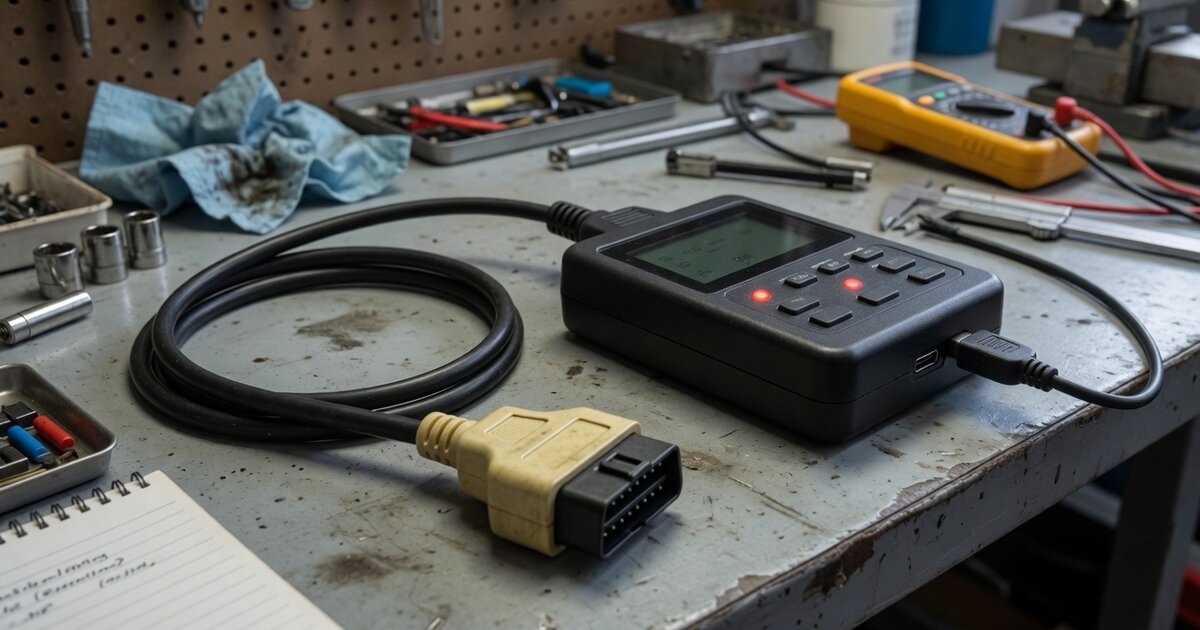
The device sold as "FVDI J2534" (also listed under names like "SVCI J2534" and "STIC SVCI J2534" by the same sellers) is a standalone USB interface, physically separate from the classic FVDI/FVDI2 Abrites-based box used for immobilizer, odometer, and key work. Vendor listings describe it as fully compliant with SAE J2534-1 and only partly compliant with SAE J2534-2, which matters because J2534-2 covers extended functions some dealer software expects beyond the base pass-thru API. The confirmable protocol list is broad for a device this size: ISO9141, ISO14230, J1850 VPW, J1850 PWM (Ford SCP), ISO11898 HS/MS, ISO15765 HS/MS, plus a few manufacturer-specific extras.
Where the FVDI J2534 driver is consistently documented is Ford and Mazda dealer software: it is built and sold specifically to run Ford IDS and Mazda IDS for online module programming, positioned by resellers as a cheaper alternative to a genuine Ford VCM II. A physical push switch lets the same box drop into ELM327 mode for tools like Forscan, ELMconfig, and FoCCCUS, which is a real and useful secondary function rather than a marketing add-on. Some listings also claim compatibility with Toyota TIS, GM GDS2, Jaguar Land Rover SDD, or Volvo VIDA — those claims show up repeatedly across reseller pages but are not something this research could independently verify against the current software versions those platforms require, so treat them as unconfirmed until you test against your exact vehicle and dealer software build. If you have not set up a pass-thru driver before, the mechanics of driver registration, DLL selection, and vehicle communication are the same across brands, and the site's J2534 VCI Driver: Installation and Troubleshooting Guide covers that groundwork in more depth than is useful to repeat here.
What to consider before buying/using it
This is an aftermarket clone product, not a Ford-issued tool, and nothing in the available documentation points to independent SAE certification the way an OEM-supplied VCI would carry. That does not make it useless for shop work, but it does mean the driver stack, firmware, and dealer software packages are maintained entirely by the reseller ecosystem rather than by Ford or Mazda, and quality and update reliability can vary by supplier.
A recurring theme in the install guides is that Ford IDS and Mazda IDS are not meant to run from the same installation, and mixing dealer software packages on one machine is a common source of failures. Shops running both brands regularly end up with a dedicated laptop or virtual machine per OEM software stack rather than one universal setup. Registration is also a live issue: "Unregistered software" or "Expired date" errors are documented often enough to have their own troubleshooting pages, with fixes ranging from reinstalling the latest quickloader-and-driver bundle to, for the Ford side specifically, rolling the system clock back a couple of months as a workaround. That dependency on reseller-side updates and activation is worth weighing against the classic FVDI immobilizer tool's own well-known history of losing functionality when a vendor server goes dark — the risk profile is similar even though the products are different.
If your actual need is broader multi-brand pass-thru coverage rather than Ford/Mazda specifically, it is worth comparing this against other interfaces already covered here, such as Launch J2534: What It Is and What to Know Before You Buy and Xhorse J2534, since neither carries the same single-brand focus.
Common mistakes to avoid
The most common mix-up is assuming "FVDI J2534" gives you the immobilizer, key programming, and odometer functions the classic FVDI/FVDI2 is known for — it does not; those live in a different product line entirely.
On the setup side, a few recurring errors account for most support requests: installing the software without administrator rights, installing the packages out of order (IDSFord or IDSMazda, then the matching J2534 quickloader, then the IDS_VCI driver last), and expecting the interface to initialize before it is physically plugged into a live vehicle's OBD-II port with the battery above roughly 8 volts — the "VCI not plugged into car" message is almost always exactly what it says, not a driver fault. Running this driver alongside another vendor's J2534 driver stack on the same PC is also a frequent cause of conflicts, which the general troubleshooting guide linked above walks through in more detail. Finally, do not commit to a purchase on the strength of a multi-brand compatibility list from a product page alone; confirm the specific dealer software version against your target vehicle's model year first.
Frequently asked questions
Is FVDI J2534 the same device as the FVDI used for immobilizer and key programming?
No. They share a brand name because the same resellers sell both, but they are separate hardware built for different jobs. The classic FVDI/FVDI2 is an Abrites-based immobilizer, key, and odometer tool; FVDI J2534 is a Ford/Mazda pass-thru interface for dealer diagnostic software. Owning one does not give you the other's functions.
What level of SAE J2534 compliance does FVDI J2534 actually claim?
Vendor documentation describes it as fully compliant with SAE J2534-1 and only partly compliant with SAE J2534-2. If a piece of dealer software leans on J2534-2 extended functions, that partial coverage is where compatibility problems are most likely to show up.
What OEM software does FVDI J2534 reliably support?
Ford IDS and Mazda IDS are the consistently documented use case, including online module programming. Claims of support for other brands' dealer platforms appear on some reseller listings but were not independently confirmable here, so verify against your exact vehicle and software version before relying on them.
Can FVDI J2534 be used as a regular OBD-II scan tool outside of dealer software?
Yes, in a secondary mode. A physical switch flips the interface from J2534 mode into ELM327 mode, letting it work with common ELM327-based tools such as Forscan, ELMconfig, and FoCCCUS for basic diagnostics and configuration.
Why does the software show an "unregistered software" or "expired date" error?
This is a documented, recurring issue tied to the registration and update mechanism of the dealer software bundle rather than the hardware itself. The usual fix is uninstalling and reinstalling the latest IDS/Quickloader/IDS_VCI driver package together; a system-clock rollback has also been reported as a Ford-specific workaround, though reinstalling current software is the more durable fix.
Should I buy an aftermarket FVDI J2534 instead of a genuine OEM interface?
That depends on your workload and risk tolerance. An aftermarket unit costs less and covers a narrower set of software, with driver and registration behavior maintained by resellers rather than the vehicle manufacturer, and no independently confirmed certification. A shop doing frequent, revenue-critical Ford/Mazda module programming may still prefer an OEM-backed interface for that reason; occasional or budget-constrained use is where the clone route gets chosen most often.