How Can I Get a New Key for My Car?
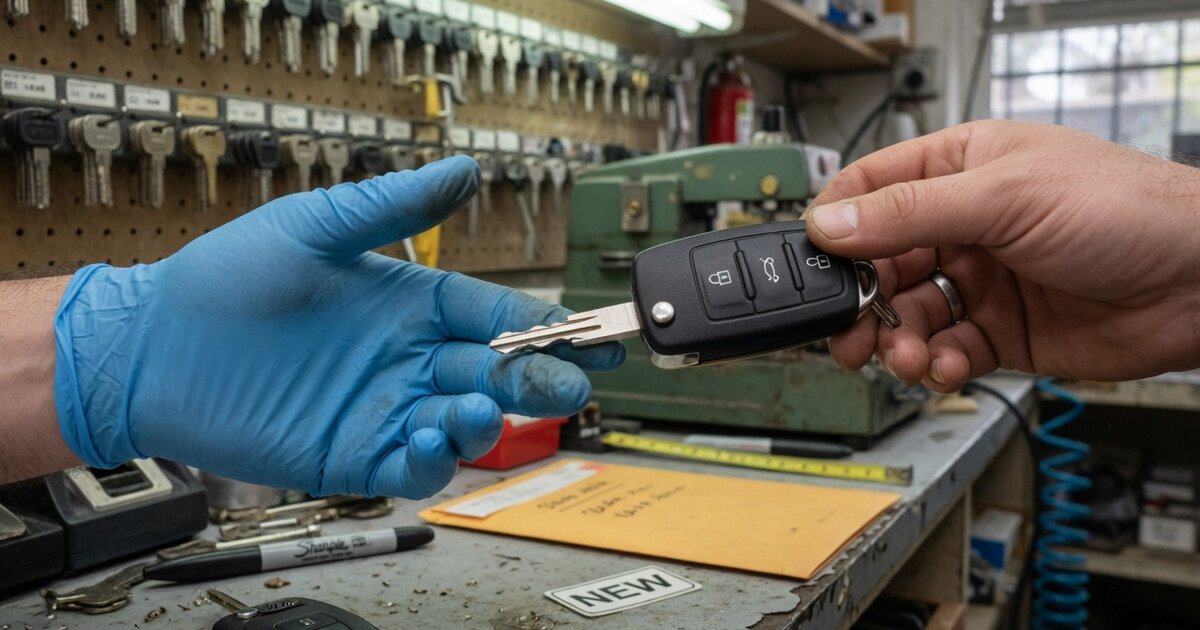
Losing a car key, or wanting a spare before you lose the only one you have, raises a question most people never think about until it happens: who can actually make a new one, and how? The answer depends less on convenience than on three things: what kind of key your car uses, how many working keys you have left, and what you can prove about ownership. This guide covers the real routes available, from the dealership to a mobile locksmith to a basic hardware-store cut. If your car specifically uses a smart key or remote fob, our How to Get a New Key Fob for Your Car: A Step-by-Step Guide walks through that process in detail; this article is the broader decision guide covering every key type.
Know what kind of key you actually need
Before calling anyone, know which category your key falls into, since it changes the cost, the timeline, and who can even do the work.
Basic mechanical keys are simple metal blades with no electronics — common on older vehicles and some base-model cars still sold today. As long as you have one working original to copy, these are the easiest and cheapest keys to replace.
Transponder keys look like an ordinary metal key but carry a small chip in the head that talks to the car's immobilizer. The engine won't start without it recognizing the correct code, so cutting the blade is only half the job; the chip also has to be programmed.
Smart keys and remote fobs go further, using proximity sensors or push-button start instead of a physical ignition slot. These need the most complex programming, and on some models the manufacturer restricts that programming to dealer-only software.
If you still have one working key and just want a backup, that's a simpler job than replacing a key you've lost entirely — see Car Key Duplication Explained: How It Works and What to Know for how duplication differs by key type.
Your options
Once you know your key type, three general paths open up, though not all apply to every situation.
The dealership can order and program a factory key, and for certain newer, high-security, or luxury models it may be the only party with access to the manufacturer's programming software. The tradeoff is that dealer service departments typically need to order the part and schedule an appointment, which tends to take longer than an independent locksmith, and dealer labor and parts markups often make it the pricier option too. If your car is leased or under a service contract that specifies keys must go through the dealer's system, check that before going elsewhere.
A professional automotive locksmith carries much of the same key-cutting and transponder-programming hardware a dealership uses, built for mobile, on-site work, so they can typically cut and program a key at your home, workplace, or roadside without towing the car. A locksmith's equipment and a hardware-store kiosk both rely on the same underlying category of tool — a machine that reads a key's pattern or a factory code and cuts a blank to match, covered in Automotive Key Cutting Machines Explained. For most makes and model years, a locksmith can handle anything from a basic key to a full smart-key programming job, generally faster and cheaper than the dealer. A small number of newer or ultra-high-end vehicles use proprietary systems independent tooling hasn't caught up with, which is one of the few cases the dealer becomes the only option.
A hardware store or key kiosk only works for basic mechanical keys, and only if you already have a working original to copy — the machine cuts a physical duplicate but can't program a transponder chip or pair a fob to your immobilizer. If your key has any electronics, a fresh cut from a kiosk will fit the lock but won't start the car.
If you've lost every key and have no spare, the job changes: whoever does the work has to build a new key from the vehicle itself, using your VIN to pull the factory code or reading the cut from the lock cylinder, then programming it from scratch. Because a working key is effectively the credential to drive off with the car, both dealers and reputable locksmiths will require proof you're the owner before cutting anything — usually a photo ID plus registration or title. Having your VIN, make, model, and year ready when you call speeds this up.
Common mistakes to avoid
A few missteps come up repeatedly and are easy to avoid once you know they're coming.
Don't assume a hardware store or generic kiosk can handle a modern key. If your car uses a transponder or smart key, a plain metal duplicate will fit the lock but won't start the engine.
Don't skip checking your lease or service contract before booking an independent locksmith — some agreements specify key work must go through the dealer to stay valid.
Don't show up without proof of ownership. A legitimate locksmith or dealer asking for ID and registration first is doing exactly what it should.
Don't wait until you're down to zero working keys. Getting a spare cut while one key still works is faster and usually cheaper than an all-keys-lost job later, since the technician can copy from the existing key instead of pulling codes from the vehicle.
Don't assume price and turnaround are the same for every car. A basic mechanical key on an older vehicle is a genuinely different job from an all-keys-lost smart key on a newer push-button-start model, so quotes vary by vehicle, not just by provider.
Frequently asked questions
Can a hardware store cut a transponder or smart key?
It can cut the physical blade, but it has no equipment to program a transponder chip or pair a smart key or fob to your vehicle's immobilizer. If your key has a chip or buttons, you need a dealer or an automotive locksmith with programming equipment, not a general-purpose kiosk.
What if I've lost all my keys and have no spare?
A dealer or locksmith has to identify your exact vehicle and key type, generate a new key using the VIN-derived factory code or a reading taken from the lock cylinder, then program it afterward. You'll need proof of ownership — typically photo ID plus registration or title — before anyone will do the work.
Is a locksmith really cheaper than the dealership?
For most makes and model years, yes. Locksmiths generally don't carry the dealership's overhead or parts markup, and mobile service also saves you a tow if the car can't be driven. The main exception is newer or high-end luxury vehicles where the manufacturer restricts programming to dealer software.
What documents do I need to prove ownership?
A government-issued photo ID matching the name on the vehicle's registration or title is the standard requirement. Keeping your registration or title accessible, not locked inside the car you're trying to get into, makes this much faster.
How long does getting a new key usually take?
A basic duplicate from an original key can take minutes. A transponder or smart key job takes longer because of the programming step, and an all-keys-lost case takes longest since the code has to be pulled before programming even starts. Locksmith mobile service is generally faster than a dealership appointment, which often has to be scheduled ahead.
Do I have to go to the dealer for a smart key or fob?
Not usually. Most automotive locksmiths can cut and program smart keys and fobs for the large majority of vehicles on the road. The dealer becomes necessary mainly for a handful of newer or ultra-high-end models where the manufacturer keeps programming proprietary. If you need a fob specifically, the step-by-step process is covered in our fob replacement guide linked above.