Where to Find a Key Making Machine: A Buyer's Guide
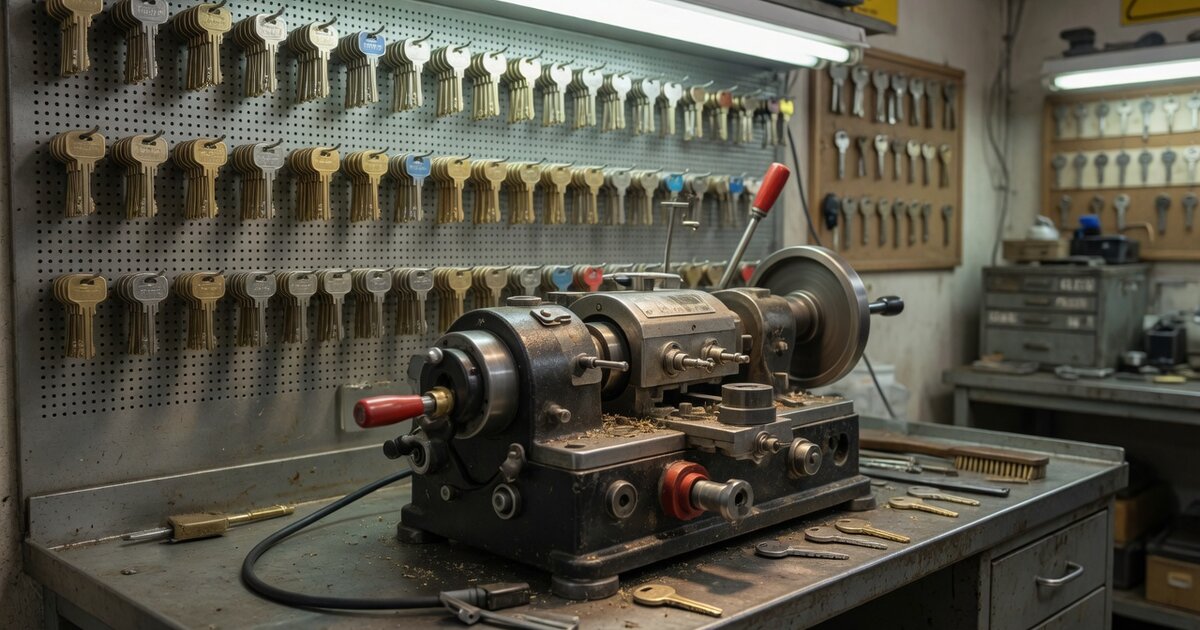
Searching for a key making machine usually means one of two things: you're starting or expanding a locksmith business, or you've decided that cutting keys in-house — for a shop, a hardware counter, or a serious side hustle — beats sending work out. Either way, the question isn't just "where do I click buy," it's which category of seller actually fits what you're trying to do, and what separates a machine that pays for itself from one that sits in a corner after two months. This guide walks through the real channels locksmiths and shop owners use to source key cutting equipment, and the checks worth doing before money changes hands.
Where these machines are actually sold
Key making machines don't move through the same retail channels as most tools, so it helps to know the shape of the market before you start comparing listings.
Locksmith wholesale distributors. The bulk of professional purchases go through dedicated locksmith supply houses — companies like Craftmaster Hardware, American Key Supply, Taylor Security and Lock, CLK Supplies, Locksmith Keyless, and Key4, among others. These distributors don't manufacture the machines themselves; they carry catalogs from brands such as Framon, HPC, Ilco, IntraLock, Rytan, and Keyline, and they typically bundle in things a first-time buyer needs but wouldn't think to ask for: key blanks, calibration jigs, warranty registration, and phone support when a machine won't hold a cut. Buying from a distributor rather than a random online storefront is usually the difference between having someone to call when the tracer arm drifts and not.
Direct from the manufacturer. Some brands sell directly, particularly for higher-end and industrial-grade machines. Italian manufacturer Silca, for example, produces semi-industrial and industrial key cutting equipment and works with regional distributors as well as direct accounts. Going direct can make sense for a shop planning a large order or needing a specific configuration, but for a single machine it's often simpler to go through an authorized distributor, since that's usually who handles warranty claims anyway.
Locksmith trade shows and industry associations. Locksmith trade events let you handle machines side by side, watch a demo cut, and talk to a rep face to face — genuinely useful when you can't tell a machine's build quality from a product photo. If you're new to the trade, this is also a reasonable way to get a sense of which brands the working locksmiths in the room actually trust versus which ones they warn each other about.
General B2B marketplaces. Platforms like Alibaba list key cutting machines directly from Chinese manufacturers, often at lower prices than Western distributors. These can be legitimate, but due diligence matters more here: verify the manufacturer has a track record, ask for video of the actual unit (not just stock photos), and confirm what happens if a part fails after the machine lands. Before committing to a machine meant for automotive key cutting specifically, it's worth understanding how those machines differ from basic household-key cutters, since the cutting method and the software behind it are not interchangeable.
Used equipment: eBay, auction sites, and closing-shop sales. A working locksmith retiring or a shop downsizing is one of the more reliable sources of used equipment, since you're buying from someone who actually ran the machine. eBay and specialty auction sites like K-BID also list used key machines regularly. Used gear can be a legitimate way to get into the trade cheaply, but it puts more weight on the inspection step below — there's no factory warranty to fall back on if the spindle is worn.
What to check before buying
Once you've found a few candidates, the differences that actually matter aren't cosmetic.
What the machine is actually for. This is the question that eliminates most bad purchases before they happen. A basic manual or semi-automatic machine, guided by a tracer following an original key, is enough for standard house and commercial keys. It will not cut a modern automotive key that carries a transponder chip or a laser-cut (side-milled) profile — that requires a machine built specifically for automotive work, and in many cases separate programming equipment on top of it. If your business is going to touch car keys at all, read up on how car key duplication actually works before you buy, since the cutting machine is only part of the job — programming the transponder or remote is a separate step with its own tools.
Manual, electronic, or laser. Manual machines are the cheapest entry point and are still standard for basic flat keys. Semi-automatic and fully electronic machines add a motor and, on higher models, code-based or scan-based input, trading some cost for speed and repeatability — useful once volume picks up. Laser or side-milling machines are built for high-security and automotive keys and sit at the top of the price range; they're not something a hardware counter doing basic duplication needs, but they're close to mandatory for a shop doing serious automotive locksmith work.
Brand support and parts availability. A key cutting machine is a precision tool with wear parts — cutting wheels, tracers, clamps — that need periodic replacement. Before buying, confirm that the brand has an active dealer network and that consumables are actually stocked, not just the machine itself. An unbranded machine with no service history behind it can look identical in a photo to a supported one and still leave you stranded the first time a part breaks.
Precision, clamping, and safety features. Cutting precision is generally measured in thousandths of an inch — the tighter the tolerance, the more reliably keys will actually work in the lock rather than needing a second try. Look for adjustable, secure clamps that won't let the blank shift mid-cut, and don't ignore safety guarding around the cutting wheel; it's there because these machines throw metal shavings and can catch a sleeve as easily as a key.
Rough budget expectations. Pricing varies by brand and features, but as a general orientation, entry-level manual machines tend to start in the low hundreds of dollars, mid-tier semi-automatic units run well into four figures, and full automatic or laser machines built for high-security and automotive keys can run several times that. Treat any specific number you see online as a starting point for comparison, not a quote — get current pricing directly from the seller before deciding.
Common mistakes to avoid
The most expensive mistake is buying a machine for the wrong job — a general-purpose cutter for someone who's actually going to be doing automotive transponder work, or an industrial automatic machine for someone who cuts a handful of keys a week. Scale the machine to the work you'll realistically be doing in the first year, not the business you hope to have in five.
Second, don't buy used equipment sight unseen without asking for a demonstration cut or recent service records. A machine that looks clean in photos can still have a worn tracer arm or a spindle that's lost its precision, and that's not something you can spot from a listing photo.
Third, don't assume a key cutting machine alone covers automotive work. Modern vehicles increasingly require both a correctly cut key and separate programming for the transponder or smart key system, and in some diagnostic and immobilizer scenarios a shop will also need a diagnostic tool built for vehicle systems to complete the job. Skipping that research and buying only the cutter is a common way for new automotive locksmiths to underbuild their toolkit.
Finally, don't skip the warranty and return-policy fine print to save a small amount up front. A machine with no clear support path is a liability the first time it needs calibration or a replacement part, and by then the seller who sold it may be unreachable.
Frequently asked questions
Do I need a locksmith license to buy a key cutting machine?
In most places, no — anyone can purchase a key cutting machine, and many hardware stores and hobbyists own basic manual units. Licensing requirements, where they exist, typically apply to operating as a professional locksmith or handling certain automotive and security work, not to the equipment purchase itself. Check your state or local regulations if you're planning to offer locksmith services commercially.
What's the difference between a key cutting machine and a key duplicating machine?
In practice the terms are used interchangeably for most consumer and light commercial machines, since duplicating a key is a form of key cutting — copying an existing key's cuts onto a blank. The distinction matters more at the high end, where "key cutting" can also refer to code-based cutting (cutting a blank from a manufacturer code rather than an original key), which requires more advanced electronic or automotive-specific machines.
Can one machine cut both standard house keys and automotive transponder keys?
Generally not with a single basic machine. Standard edge-cut house and commercial keys use a different cutting method than the laser or side-milled cuts found on many modern car keys, and automotive keys also need transponder programming separate from cutting. Shops that do both usually run a standard machine alongside a dedicated automotive key cutting setup.
Is it worth buying a used key cutting machine?
It can be, especially as a lower-cost way to get started, but the savings only hold up if the machine is actually sound. Ask for a demonstration cut, check for wear on the tracer and cutting wheel, and confirm parts are still available for that model before buying — a used machine with no parts support can become an expensive paperweight the first time something wears out.
How much should I expect to spend as a first-time buyer?
It depends heavily on what you're cutting. A basic manual machine for standard keys is the least expensive route, semi-automatic and electronic machines cost noticeably more but add speed and consistency, and machines built for automotive and high-security keys sit at the top of the range. Get current quotes from a couple of distributors rather than relying on a single listed price, since features and included accessories vary a lot between otherwise similar-looking machines.
Do I need a separate machine for programming transponder or remote keys?
Yes. A key cutting machine — even an automotive-grade one — only cuts the physical blade of the key. Transponder chips and remote fobs need to be programmed to the vehicle separately, which is done with dedicated key programming tools, and diagnosing certain immobilizer or electronic issues may also call for a vehicle diagnostic tool. Cutting and programming are sold as separate equipment categories, though some suppliers bundle starter kits that include both.