Who Can Reprogram a Car Key? Dealer, Locksmith, and DIY Options
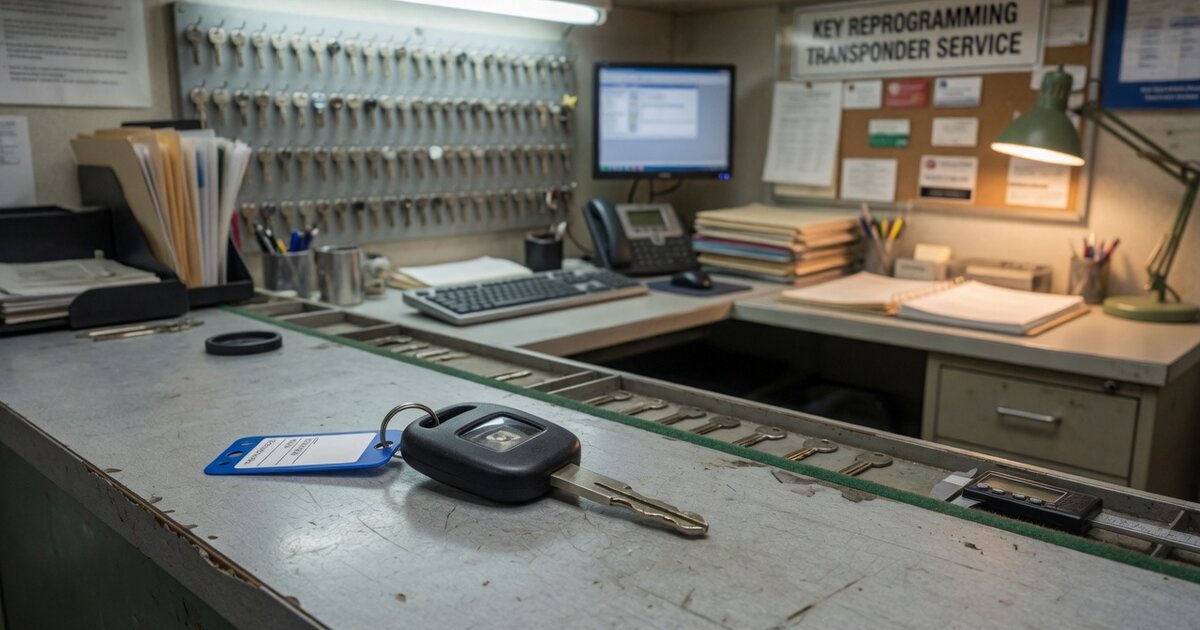
If your car key fob stopped responding, you lost your only working key, or you bought a used car with just one set of keys, you've probably typed some version of the same question into a search bar: who can actually reprogram a car key? It's a fair question, because a car key isn't like a house key. Since the mid-1990s, most vehicles have paired their keys to an onboard immobilizer or receiver module, so a blank cut to the right shape won't start the engine or unlock the doors on its own — the vehicle has to be told, electronically, to accept that specific key or fob. That pairing step is what people mean by "programming," and not everyone with a computer and a cable can do it. Who is actually qualified depends on the vehicle's age, the type of key involved, and how many working keys you already have.
Who can actually do this
In practice, three categories of people can legitimately reprogram a car key, and the right one for you depends on your situation.
Dealership service departments. Every new-car dealer has access to the manufacturer's own diagnostic and security system, which lets them add or reset keys for the exact make and model they sell. This is the option with the fewest surprises: the dealer already has your vehicle's security data on file (or can pull it from the manufacturer), and if you have zero working keys, they can usually still get you back on the road because they can order a key or fob and program it from scratch. The tradeoff is availability and cost — dealers often book appointments days out, and because their equipment and technicians are specialized to their own brand, the labor tends to run higher than an independent shop.
Automotive locksmiths. A licensed automotive locksmith carries aftermarket key-programming tools built to cover dozens of makes at once, rather than one manufacturer. Most of this work happens through the vehicle's OBD-II diagnostic port, the same port used for engine diagnostics, which the programmer uses to talk to the immobilizer and pull the security data needed to enroll a new key. Cars with older or higher-security systems that don't expose enough over OBD sometimes require a second method called EEPROM programming, where the locksmith reads the security chip more directly — this takes more specialized skill and is generally reserved for situations where the simpler OBD route isn't available. A mobile locksmith can often come to your driveway or workplace and cut and program a key on the spot, which is the main advantage over a dealer visit. If you're also weighing whether a plain duplicate is even enough for your situation, it's worth reading about where to get car keys copied at a hardware store, locksmith, or dealer, since copying and programming aren't always the same job.
You, in limited cases. A genuine do-it-yourself option exists, but it's narrower than online videos sometimes suggest. Some vehicles from the late 1990s through the mid-2000s let an owner add a spare transponder key through a manual sequence — cycling the ignition, working the door locks, or holding a button combination in a specific order — using only a key that already works in the ignition. This only works if your model supports it and you still have at least one functioning key to perform the sequence with. Most vehicles built after roughly 2010 rely on encrypted rolling codes and bidirectional communication that a manual sequence can't replicate, so DIY programming on a newer car generally isn't possible without a professional-grade tool, and forcing the issue can trip the security system into a lockout that then needs a professional to clear.
How to choose
Start with how many working keys you have left. If you still have one that starts the car, you have more options — a locksmith can often come to you, and in some cases a DIY sequence may apply. If you have zero working keys, the vehicle typically needs to be handled by whoever can pull security data from scratch, which usually means a dealer or a locksmith with access to your vehicle's specific security system; either way, expect the job to take longer and involve towing or an on-site visit rather than a walk-in counter service.
Next, match the provider to the key type. A basic transponder key, a remote head key, and a proximity or "smart" key that lets you start the car without inserting anything are programmed differently, and not every mobile locksmith stocks tools for every category — it's reasonable to describe your key and ask directly whether they've programmed that exact system before. If you're not sure what kind of remote or entry system your car actually uses, it helps to understand how car keyless entry remotes actually work before you call anyone, so you can describe the problem accurately and avoid paying for the wrong service.
For a locksmith, ask about licensing, insurance, and how long they've worked on your specific make — automotive programming skews toward brand-specific knowledge, and a locksmith who mainly does residential lockouts may not carry the right tool for your car. Get a quote that covers both the key or fob itself and the labor to program it, since these are billed separately by most shops, and confirm whether the visit fee applies if the job turns out to need a tow instead. If your car uses a proximity key and you're stuck without a spare right now, this related guide on what to do when you need a proximity key now walks through the immediate options while you sort out a permanent fix.
Common mistakes to avoid
The biggest mistake is assuming every hardware or auto parts counter can handle modern key programming. Many can cut a basic mechanical blank, but pairing a transponder chip or proximity fob to your car's immobilizer requires programming equipment that a general parts counter typically doesn't carry — confirm programming capability specifically, not just key cutting, before you make the trip.
Another common mistake is attempting a DIY sequence found online without first confirming it applies to your exact model year and trim. The same nameplate can use different security systems across model years, and running the wrong sequence wastes time at best and triggers a security lockout at worst, turning a simple job into a more expensive one.
People also frequently call around asking only about price, without asking whether the provider has actually programmed that make before. A quote that sounds low but comes from someone unfamiliar with your vehicle's system can end in a wasted service call if their tool doesn't support your car. Finally, don't wait until you're down to zero working keys before getting a spare made — once every key is gone, your options narrow to whoever can start from scratch, and that job is slower and pricier than adding a spare while one key still works.
Frequently asked questions
Can a locksmith program a key fob for any car?
Most automotive locksmiths carry equipment that covers a wide range of makes, but coverage isn't universal — some very new models, high-security systems, or less common brands may fall outside a given locksmith's tool coverage. Ask them directly whether they've programmed that specific year and model before booking.
Do I need to tow my car to a dealer to get a key programmed?
Only if you have no working key and no mobile locksmith in your area can handle your vehicle's security system. Many dealers can program a key with the car present on their lot, and many locksmiths come to you, so towing is usually a last resort rather than the default.
Can I program a car key myself without special tools?
Only on a limited set of older vehicles, generally from the late 1990s to mid-2000s, that support a manual programming sequence using a key that already works. Most vehicles built in the last decade or so require a professional programming tool connected to the car's diagnostic port.
Why do some shops use the OBD port and others use a different method?
The OBD-II port is the fastest way to reach a vehicle's immobilizer on most modern cars, so it's the default method. Older vehicles or those with higher-security systems sometimes don't expose enough data through that port, so a locksmith falls back to reading the security module more directly, a slower and more specialized process.
How do I know if a locksmith is qualified to do automotive key programming?
Ask about their licensing and insurance, how long they've been doing automotive (not just residential) work, and whether they've handled your specific make before. A legitimate operator will answer these questions without hesitation and can usually confirm over the phone whether your key type is one they support.
Is a locksmith usually cheaper than a dealership?
It varies by region, vehicle, and how many keys you need, so it's worth getting quotes from both rather than assuming. Dealers have the advantage of guaranteed manufacturer compatibility, while locksmiths often offer more flexible scheduling and on-site service, which can offset a higher dealer price for some drivers.