Key Programmer — 8
-
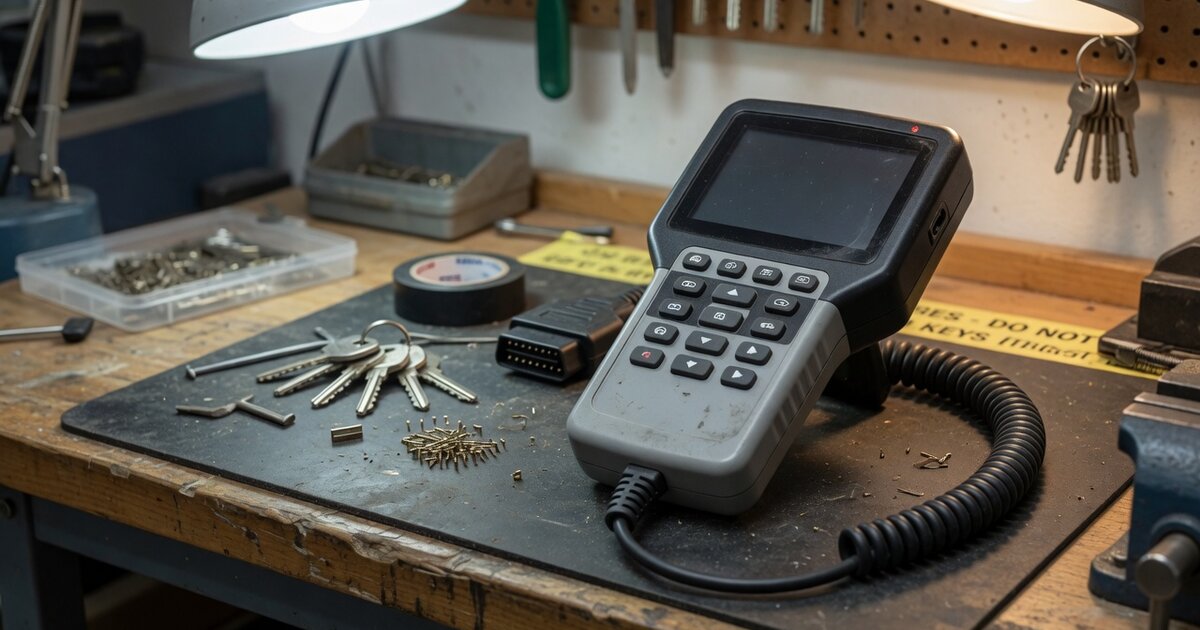
Xhorse Key Tool Lite
What the Xhorse VVDI Key Tool Lite actually is, what it does and skips versus the Mini Key Tool, and what to check before buying one for your kit.
-
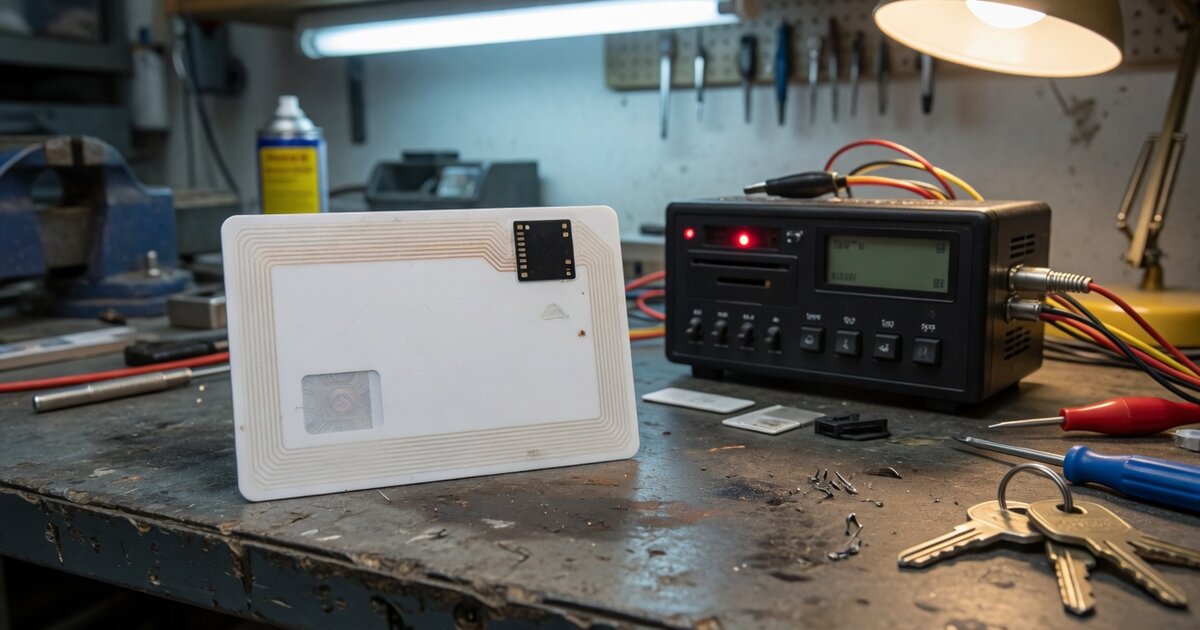
Xhorse King Card
Xhorse King Card explained: the slim, card-format universal smart remote (XSKC04EN/XSKC05EN) — what it is, how it's programmed, and what to check first.
-
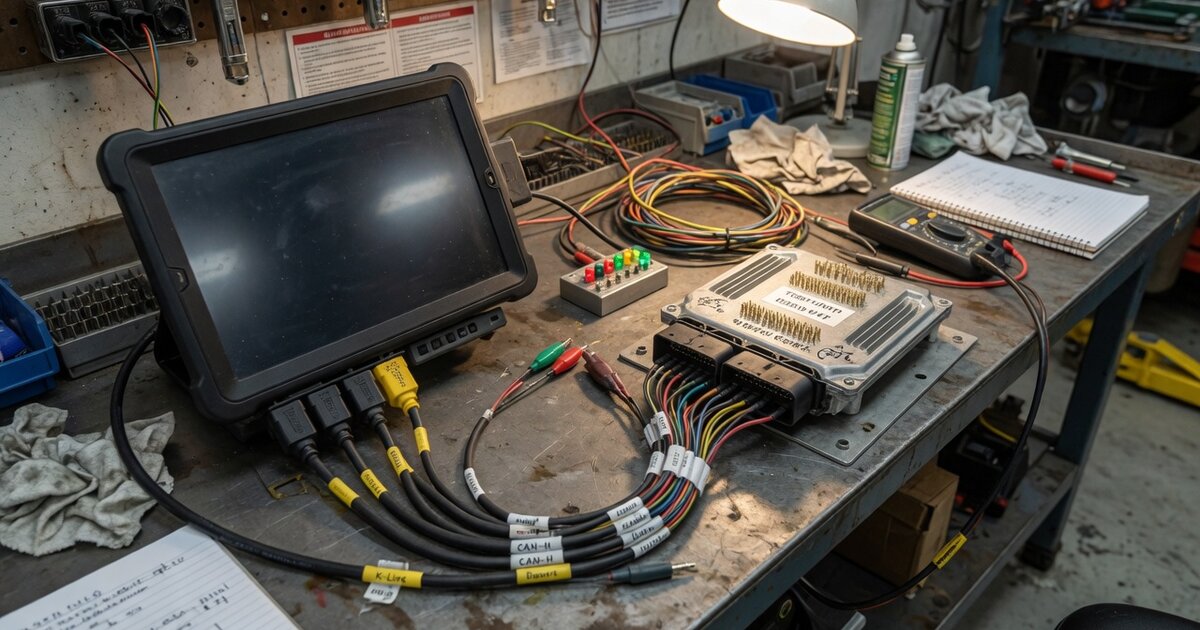
Xhorse KTP: Bench-Mode Programming on the Key Tool Plus
Xhorse KTP usually means the VVDI Key Tool Plus. Here is what its bench-mode EEPROM/FLASH access actually does, and what to check before you buy one.
-
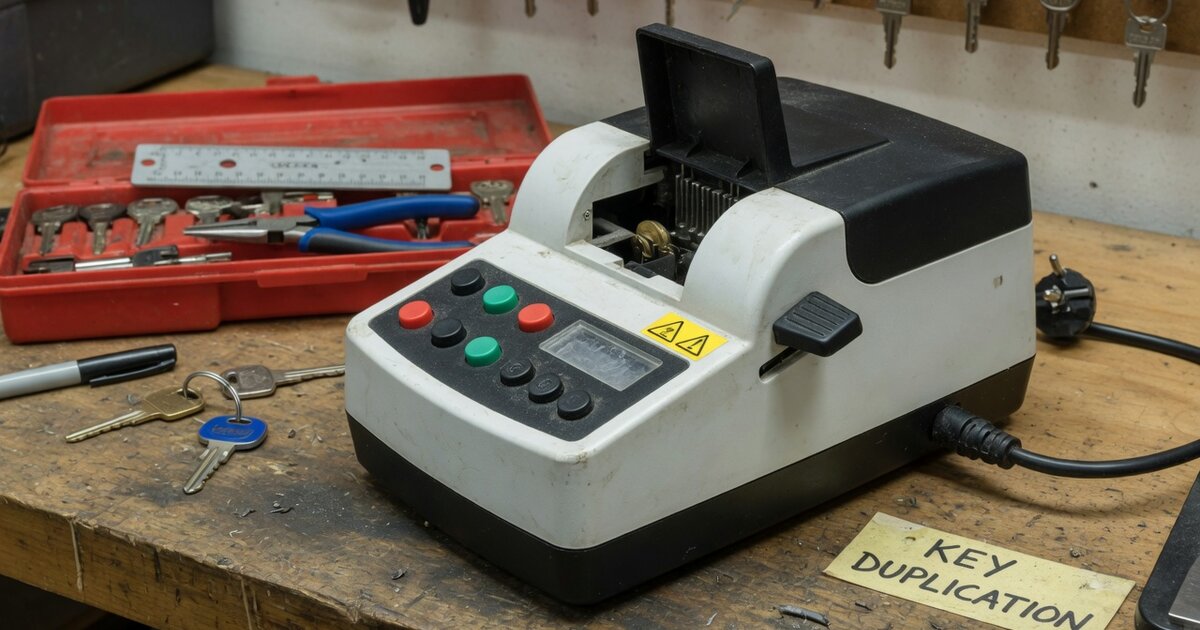
Xhorse Panda (XA006)
What Xhorse's Panda XA006 key cutting machine actually is, how it fits the Xhorse ecosystem, and what to verify before you buy one.
-
Xhorse XKKF02EN: What This Universal Remote Key Actually Is
The Xhorse XKKF02EN is a wired universal remote key for Xhorse VVDI tools, with no transponder chip included. Here is what it is and how it is used.
-
Why One Key-Fob Button Stops Working When the Others Still Work
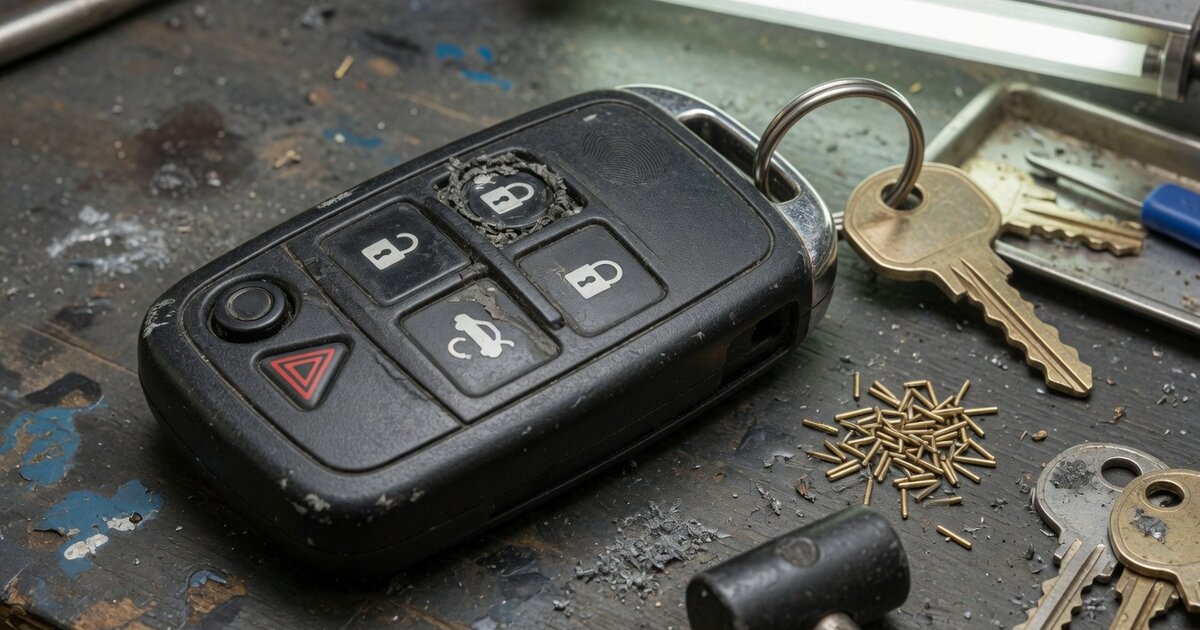
When one key-fob button fails but the others work, the transmitter and vehicle receiver may still be healthy. The usual fault is local to that button: a worn rubber pad, contaminated microswitch, cracked solder joint, or a vehicle-side function setting.
-
Do Faraday Pouches Prevent Keyless Relay Theft, and How Do You Test One?
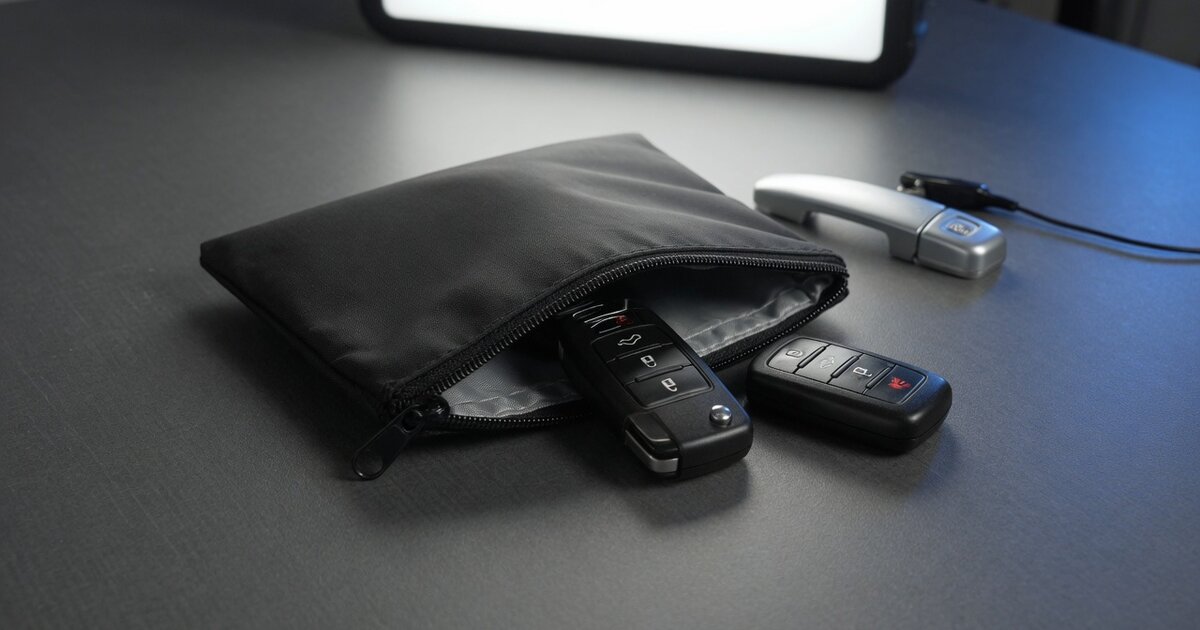
A Faraday pouch can block a keyless fob’s radio signal when the pouch is closed correctly and its conductive lining is intact. Test it with your own vehicle from outside the normal passive-entry range; a pouch that still permits unlocking is not providing isolation.
-
What to Do When a Car Key Fob Gets Wet or Goes Through the Wash
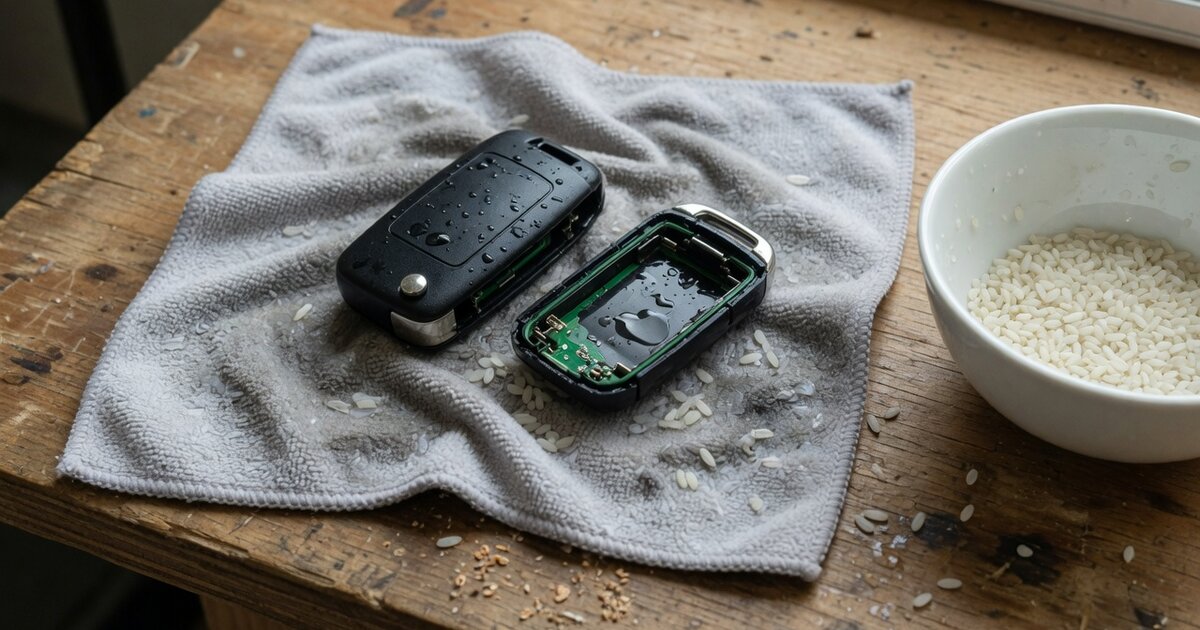
A wet key fob should be opened promptly, its battery removed, and its electronics dried without heat. Do not keep pressing buttons: trapped moisture can bridge contacts and begin corrosion even when the fob appears to work.
-
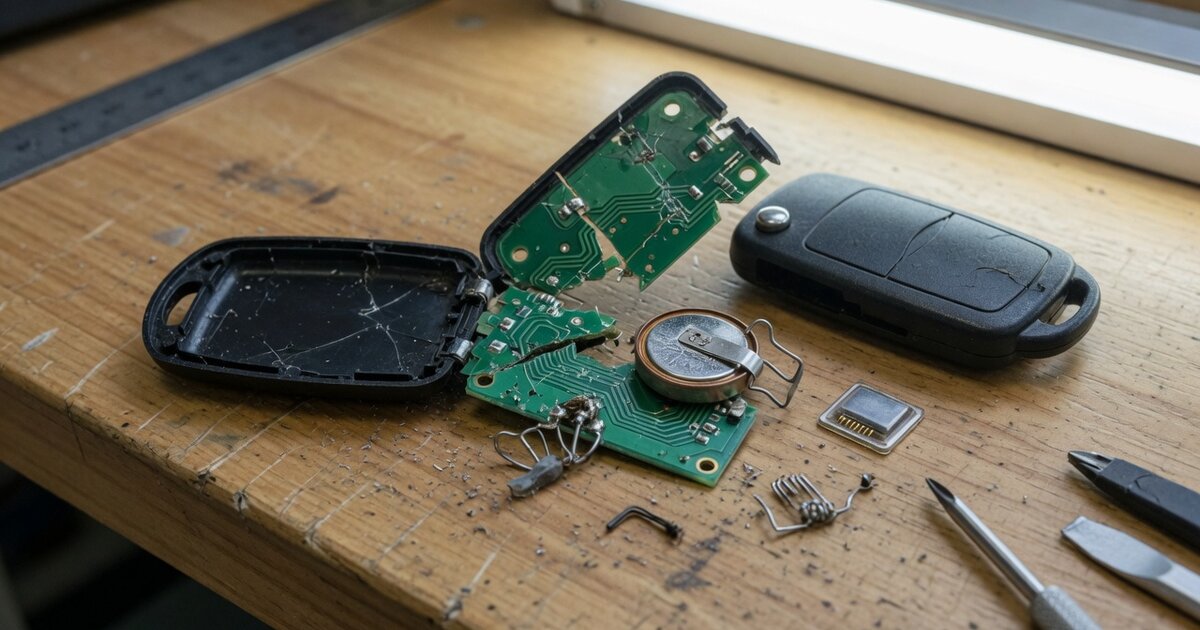
What to Check After Dropping a Key Fob: Cracked Board, Loose Battery Contacts, or Damaged Transponder
After dropping a key fob, first inspect the shell, battery seating, button feel, and whether locking and starting fail together or separately. Impact can loosen a battery contact, crack a solder joint, or dislodge a transponder even when the outside shows little damage.
-
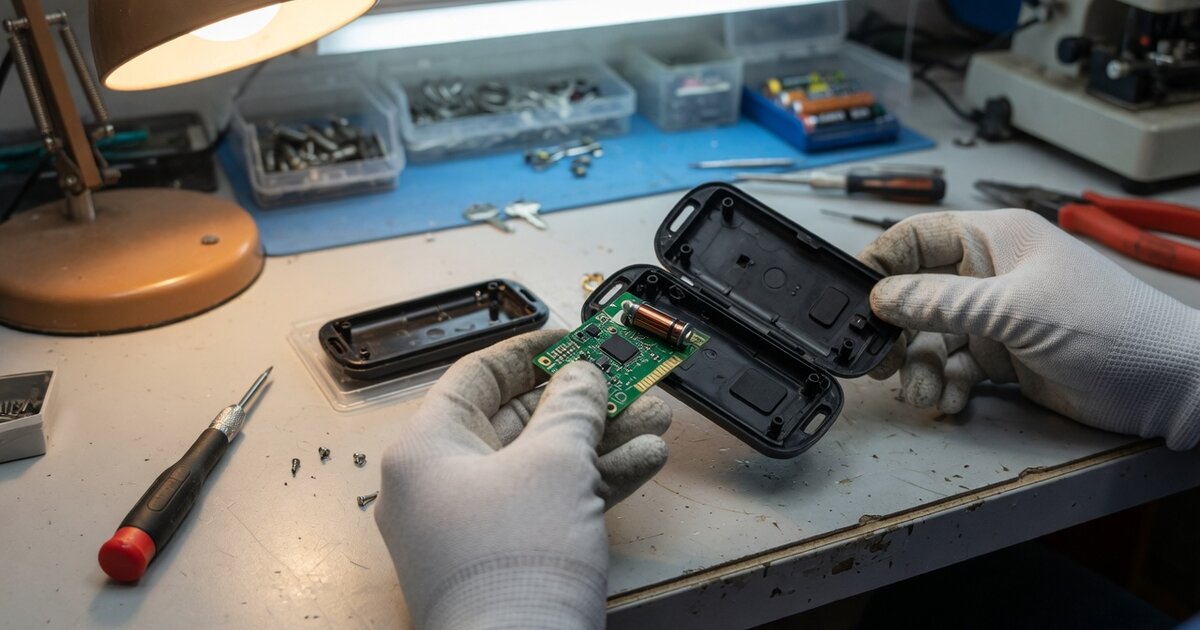
Can You Move an Original Key-Fob Board and Transponder Into a New Shell Without Programming?
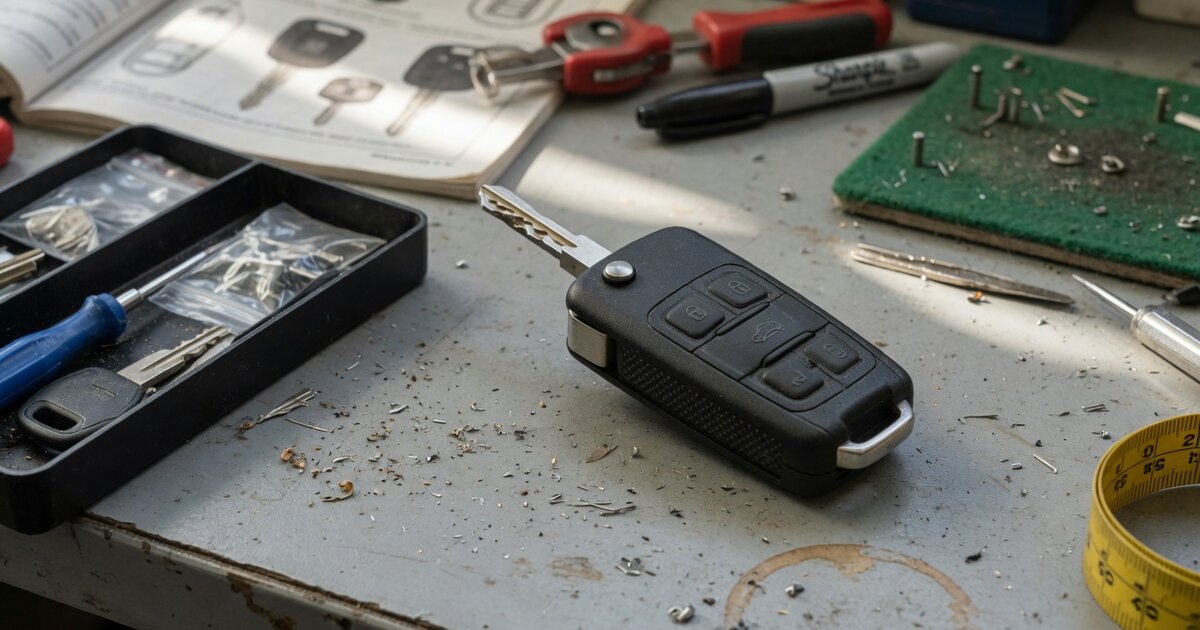
You can often move the original circuit board and transponder into a matching new shell without programming because the vehicle credential remains on the original electronics. The shell must match the blade, button layout, battery orientation, and transponder position exactly.
-
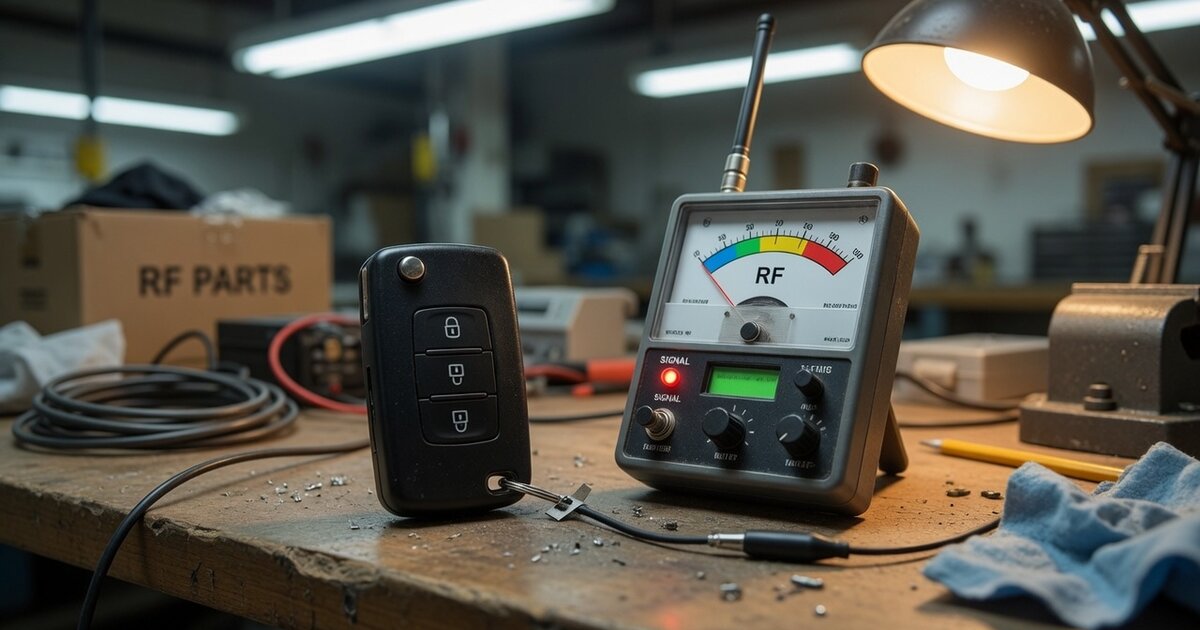
How to Test Whether a Key Fob Actually Transmits an RF Signal
An LED on a key fob proves only that its local circuit receives some power; it does not prove that radio energy reaches the vehicle. A compatible RF tester can distinguish a transmitting fob from a receiver-side problem without changing vehicle programming.
-
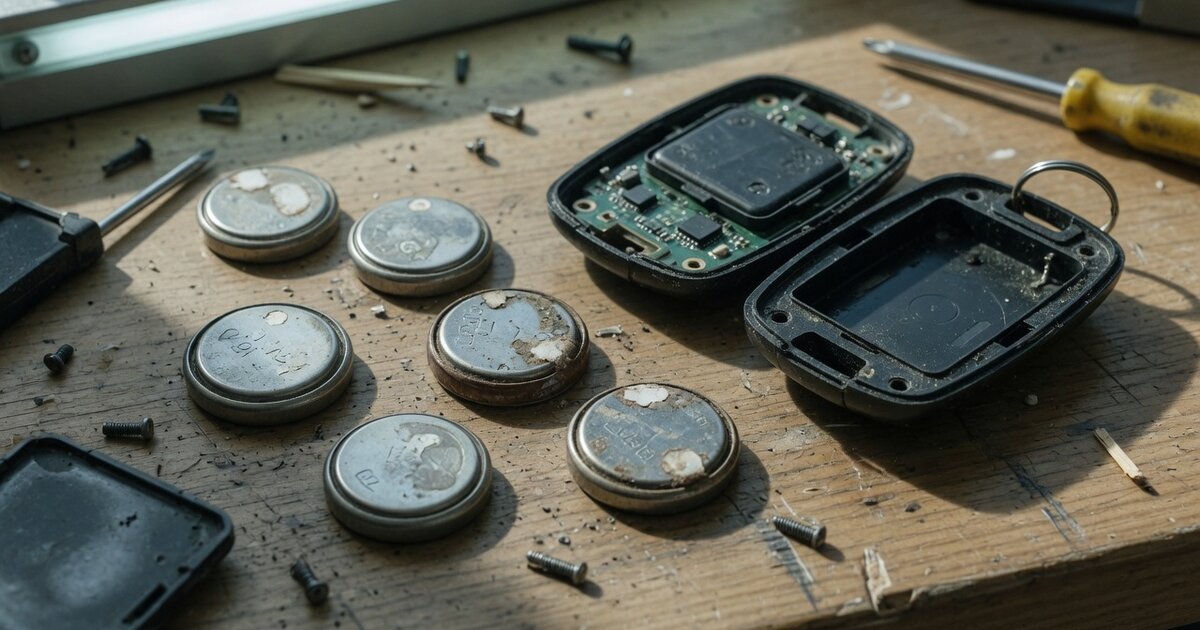
Why a New Key-Fob Battery Dies in Weeks or Months
A new key-fob battery that dies in weeks or months usually points to a poor contact, a stuck button, moisture, or an abnormal current draw on the fob board. A healthy coin cell should not be diagnosed from its label alone; measure and compare the symptom.
-
Why Passive Entry Fails but Push-Button Start Still Works
Passive entry can fail while push-button start still works because the car uses different antennas and request paths for door-handle detection and cabin authorization. Check settings, both handles, and location-specific behavior before treating the fob as failed.
-
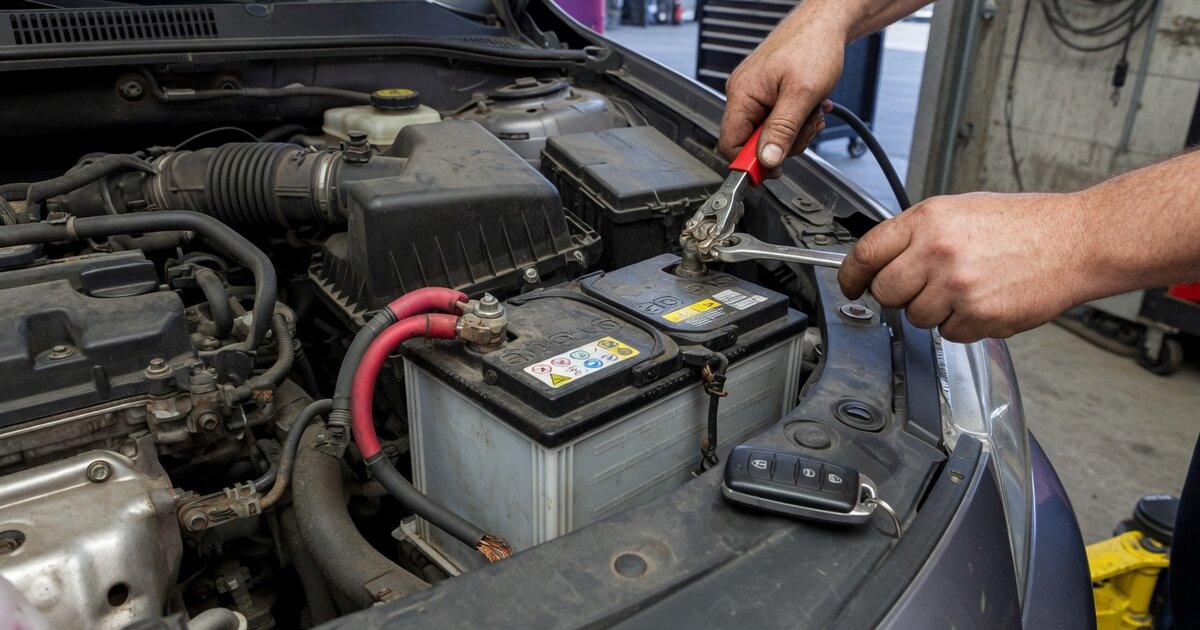
Why a Key Fob Stops Working After the Vehicle 12-Volt Battery Is Replaced or Disconnected
A key fob that stops working after a vehicle 12-volt battery change may be affected by vehicle settings, a receiver reset, a weak new vehicle battery, or a coincidental fob fault. Separate remote locking from immobilizer recognition before assuming the fob lost programming.
-
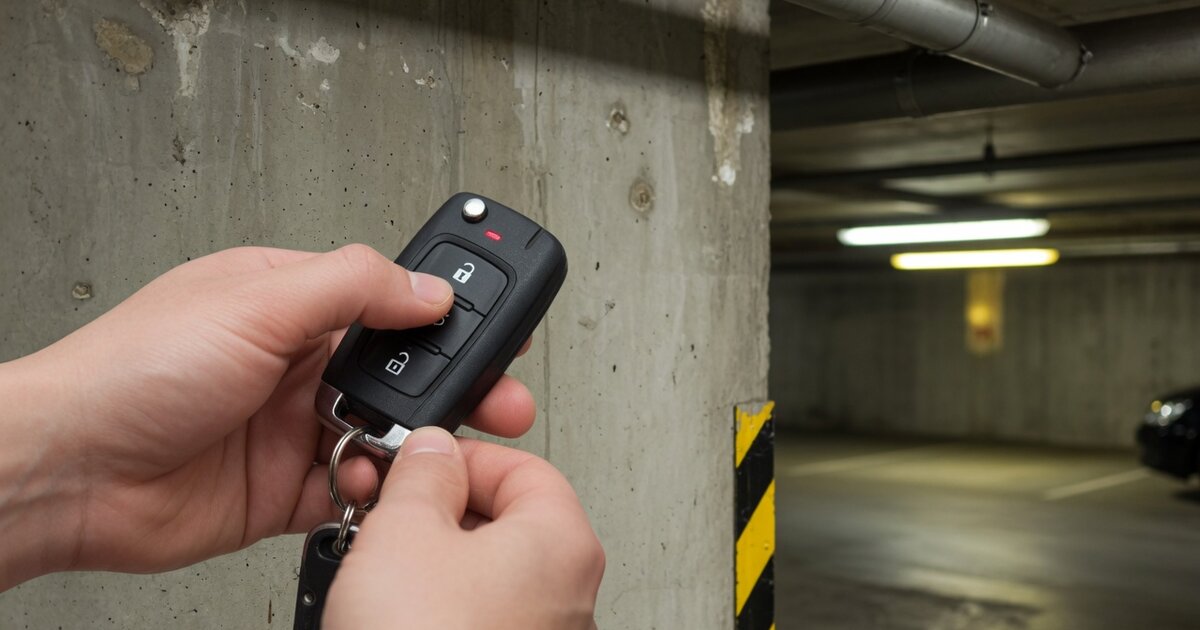
Why a Key Fob Works at Home but Fails in One Parking Lot or Near One Building
A key fob that works at home but fails in one parking lot is more likely to be meeting local radio interference or shielding than to have a permanent fob fault. Move the vehicle a short distance and compare both fobs before changing any parts.
-
Security wait time during key programming: why the countdown must not be interrupted
A security wait countdown is a vehicle or service access delay, not a frozen programmer. Keep the required ignition, power supply, interface, and docu
-
Virgin-renewed-and-locked-keys-what-the-labels-mean-before-programming
Virgin, renewed, and locked describe a key’s electronic state in a tool or manufacturer workflow, not its cosmetic condition. A virgin key has not been ass
-
Why every working key may need to be present during programming
Every working key may need to be present because many programming procedures replace a stored list rather than append one item. Any key or remote omitted.
-
“Function not authorized” in a key programmer: activation or incompatibility?
A function-not-authorized message can indicate entitlement, account state, database coverage, or an unsupported vehicle path; diagnose the evidence before retrying.
-
Why transponder frequency reading is not enough to choose a replacement key
Transponder frequency reading is not enough to choose a replacement key because frequency is only one radio or reader characteristic. Vehicle compatib